


The Administrative Paradox: Why Unorganized Political Parties Fail Against Organized Bureaucracy
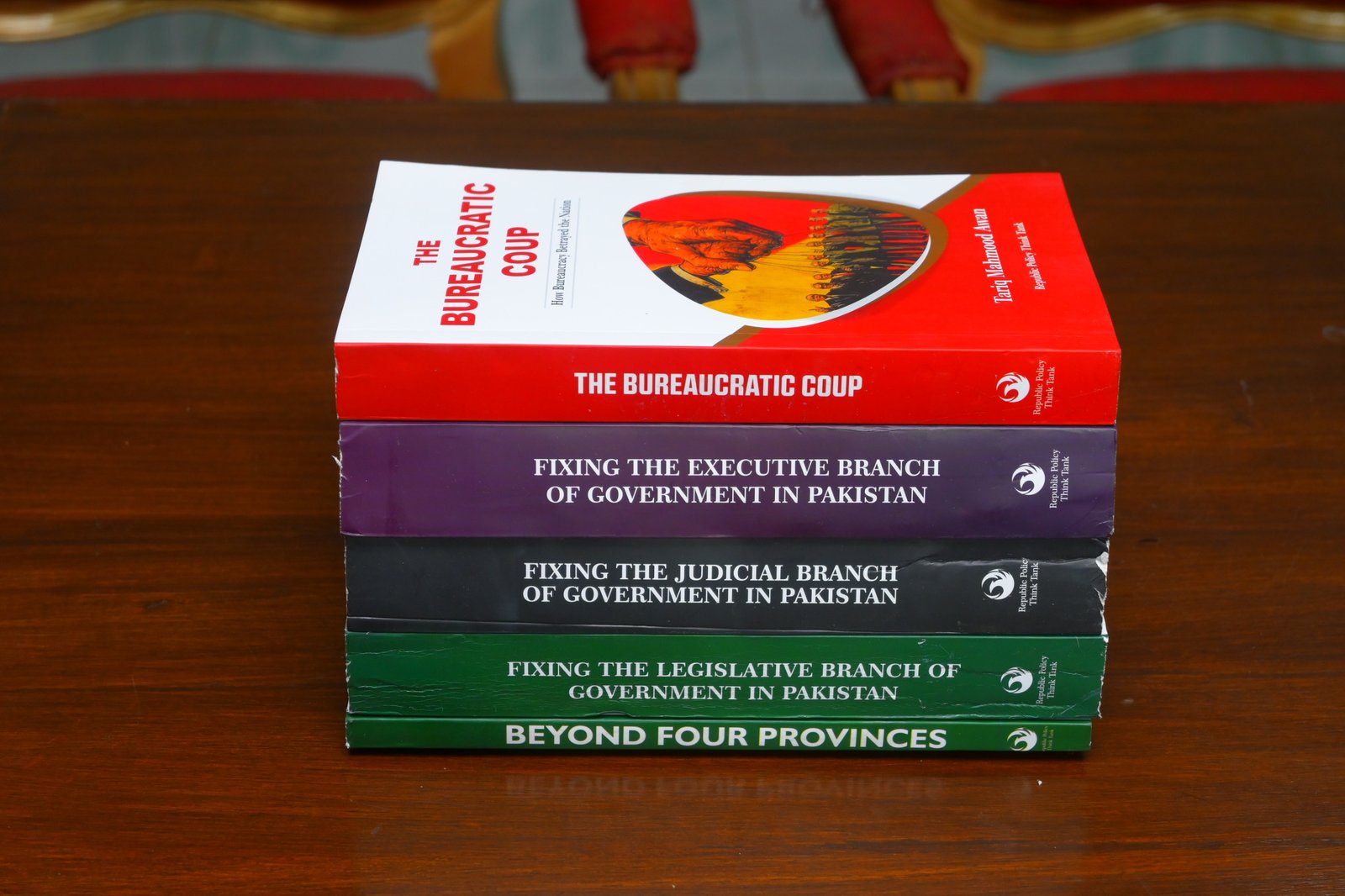
A fundamental thesis consistently emphasized across Republic Policy’s research publications, policy briefs, and foundational texts is that Pakistan’s political parties fail to function as modern, structured institutions. Despite commanding significant public support and electoral popularity, political organizations in Pakistan remain structurally fragmented, hyper-personalized, and procedurally weak. Consequently, when confronted with severe governance challenges or administrative friction, they prove inherently incapable of executing structural reforms or sustaining long-term policy objectives.
The ongoing operational struggles of the Pakistan Tehreek-e-Insaf (PTI) starkly illustrate this institutional weakness. While PTI has demonstrated a remarkable capacity for popular mobilization, its internal organizational architecture mirrors the very systemic deficiencies it seeks to challenge. The party operates largely through charismatic leadership and informal networks rather than institutionalized decision-making bodies, professional research wings, or disciplined cadre structures. When such an unorganized political entity assumes power—or attempts to negotiate with the state apparatus—it inevitably founders upon the entrenched, highly organized mechanics of the administrative state.
The Asymmetry of Power: Political Disorganization vs. Bureaucracy
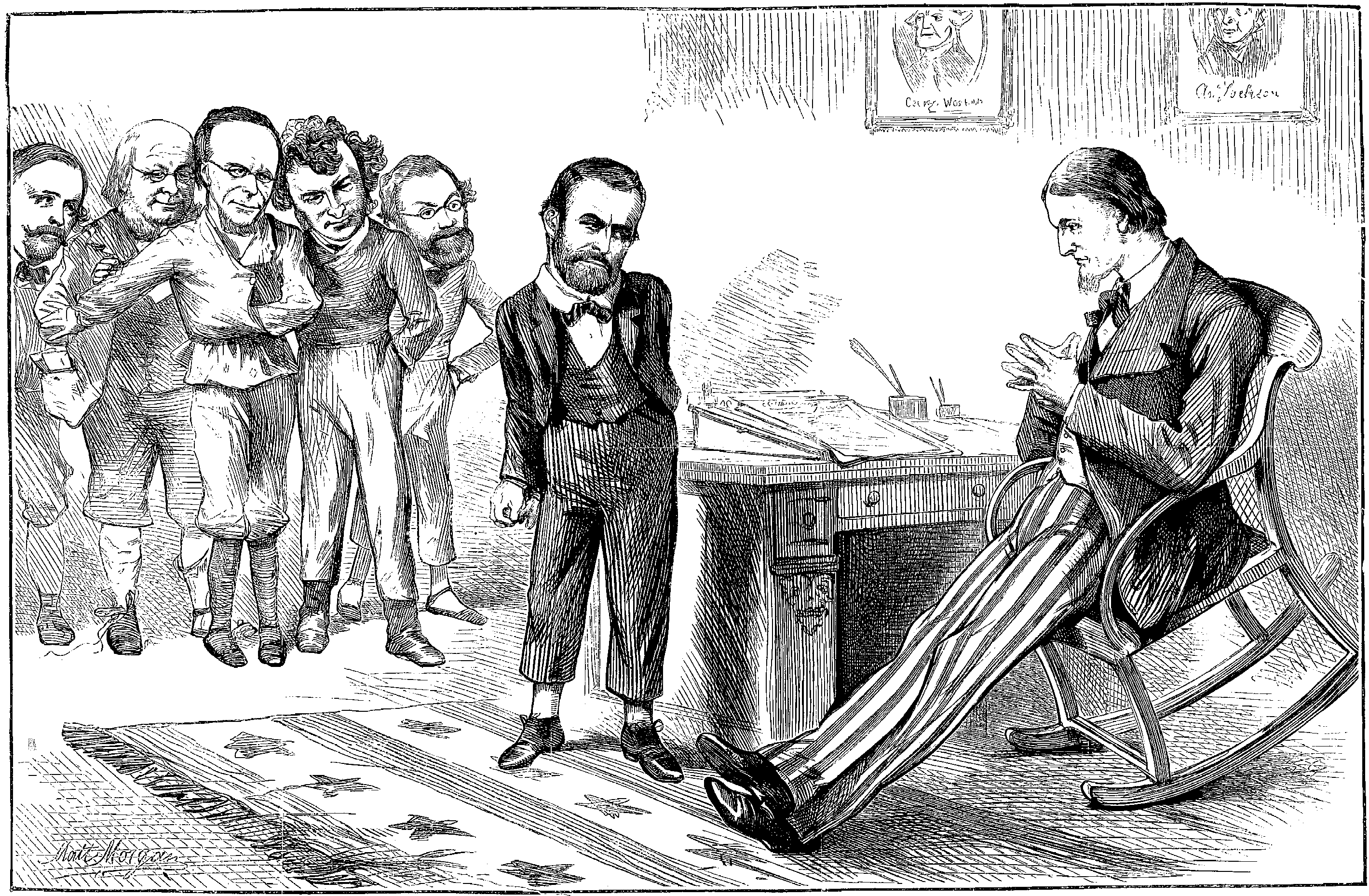
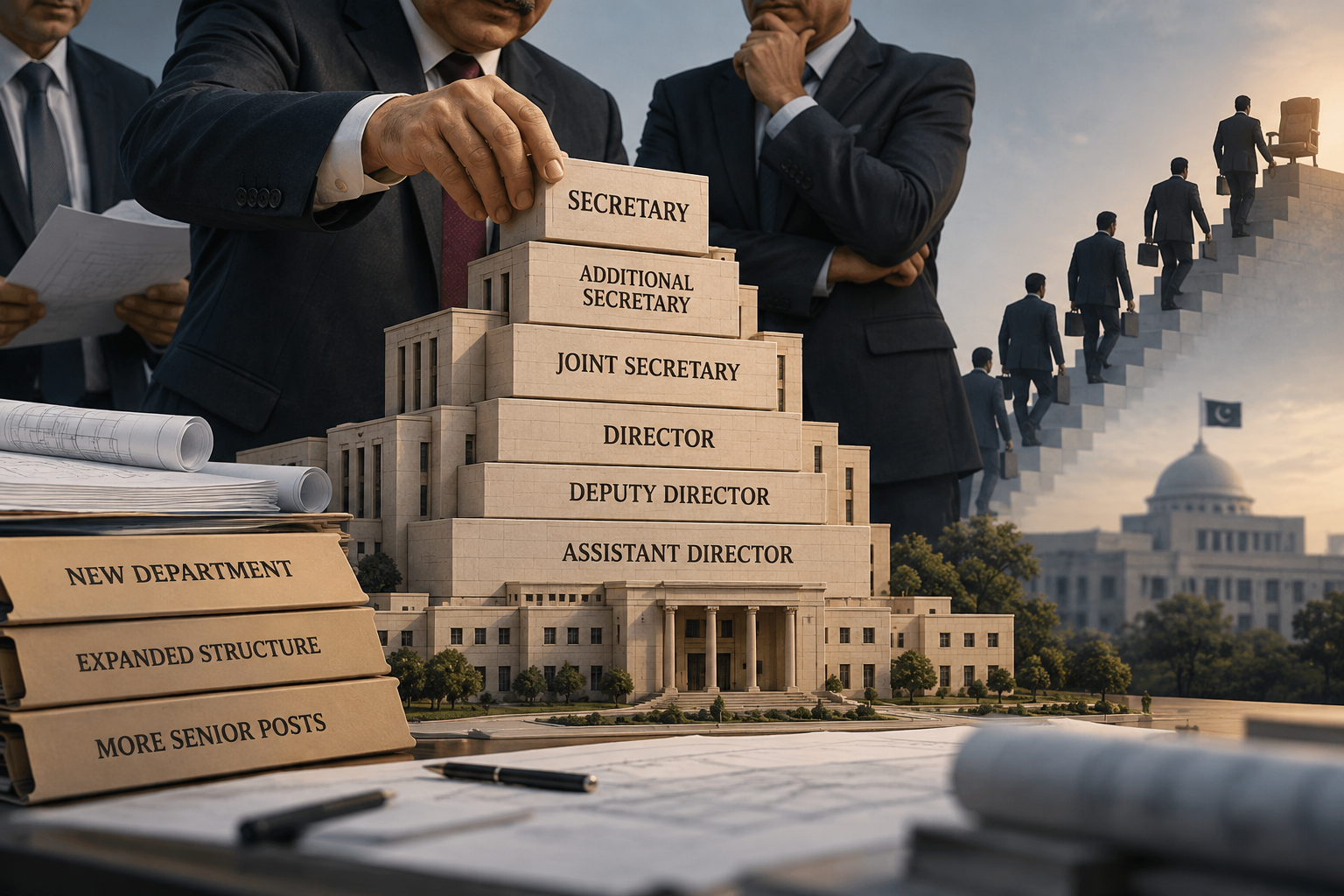
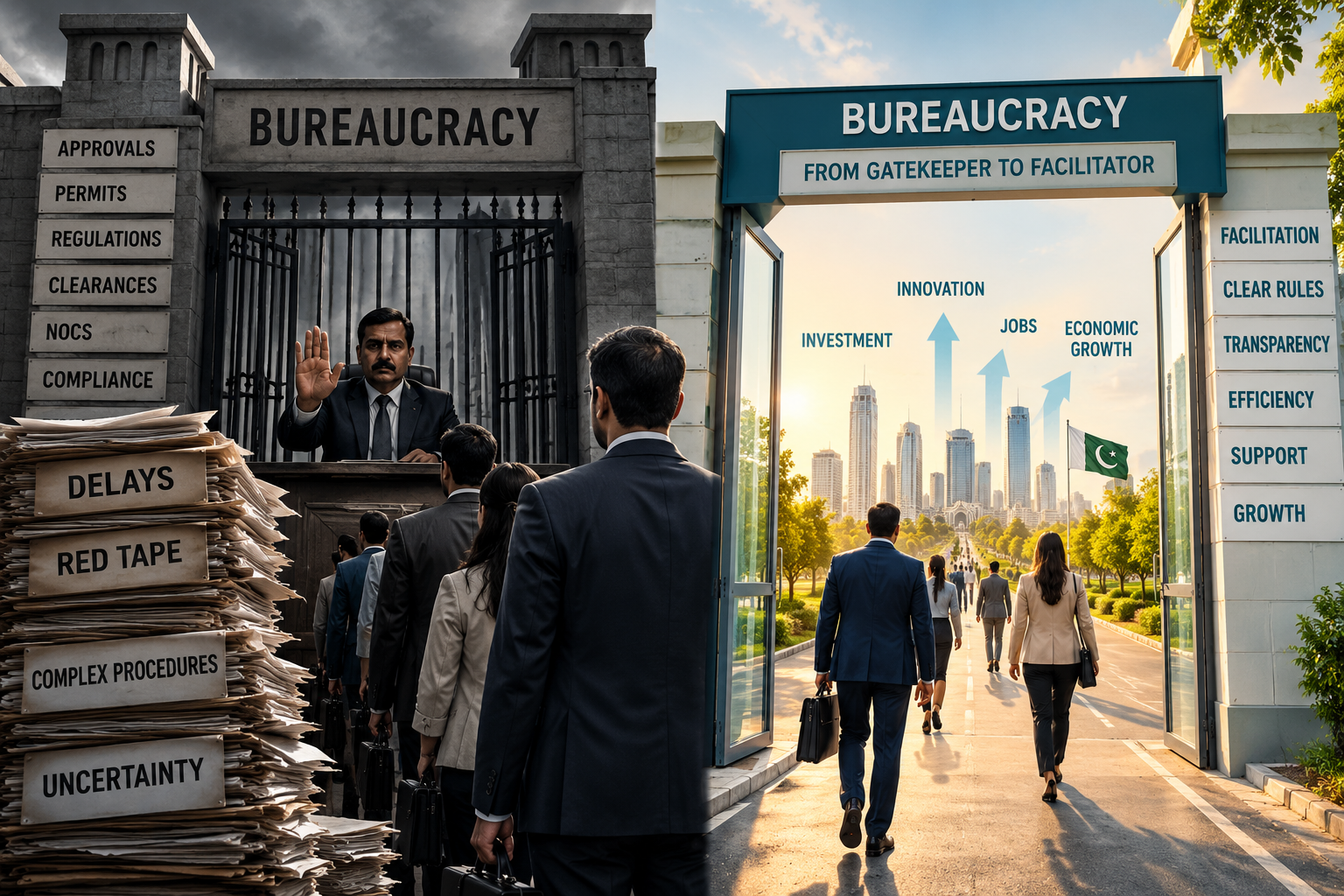
An unorganized political party cannot successfully contend with, direct, or reform a deeply organized administrative setup. Pakistan’s civil service and bureaucratic machinery, inherited from a colonial governing framework, operate on rigid hierarchies, institutionalized gatekeeping, procedures, and institutional memory. While this administrative apparatus may suffer from inefficiency and a lack of public accountability, it possesses structural coherence.
When a political party lacking internal institutional organization confronts this deeply entrenched civil service, an asymmetry of power inevitably emerges:
- Policy Execution Deficit: Unorganized parties lack the internal policy engines required to translate political manifestos into actionable, legally sound legislation.
- Bureaucratic Capture: Without professional party organs to audit and oversee executive action, elected representatives become entirely dependent on the civil service for routine governance, effectively surrendering their democratic mandate to bureaucratic discretion.
- Strategic Vulnerability: In times of political crisis or opposition, an unorganized party lacks the institutional resilience required to sustain its cadre, maintain operational continuity, or protect its organizational infrastructure.
The Imperative of Internal Institutionalization
For any political movement in Pakistan—including PTI—to achieve meaningful state reform, it must first reform itself. True democratic consolidation and civil service overhaul cannot be driven by electoral enthusiasm alone. Political parties must undergo rigorous internal institutionalization by establishing permanent secretariats, formalized policy boards, transparent internal elections, and professional administrative cadres.
Until Pakistan’s political parties transition from informal electoral platforms into organized, institutionalized entities, they will remain perpetually outmatched by the administrative state, unable to deliver structural reform or protect the democratic process.
Contact Information
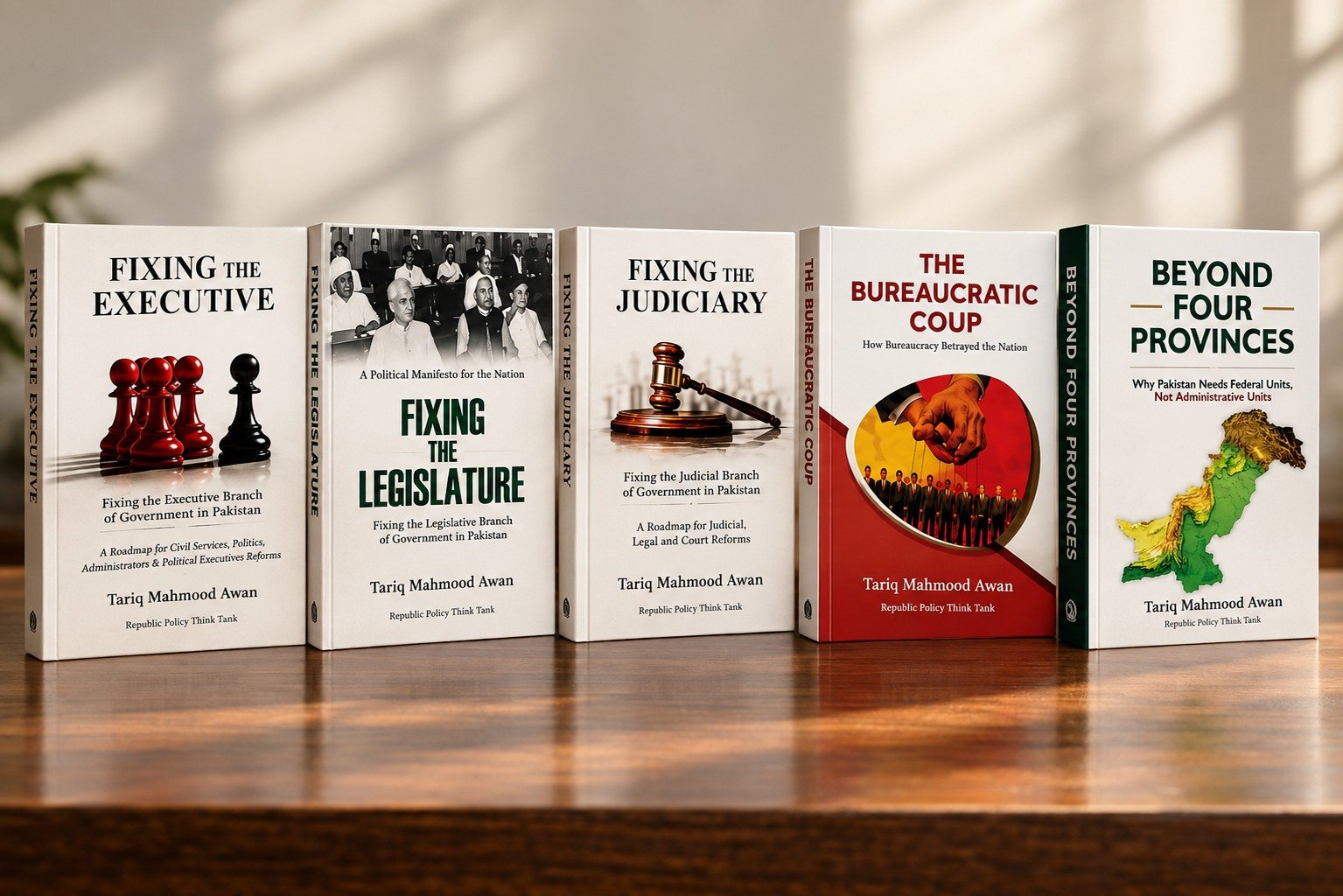
For access to Republic Policy’s research publications, policy briefs, and foundational books on institutional reform and political restructuring, connect via WhatsApp: 0341-4222501