
The reported attack comes amid a series of limited US military operations against Iranian targets and continuing diplomatic efforts to prevent a wider conflict. Trump has publicly expressed confidence in a possible agreement with Tehran, saying the US has not been engaged in fighting for months.
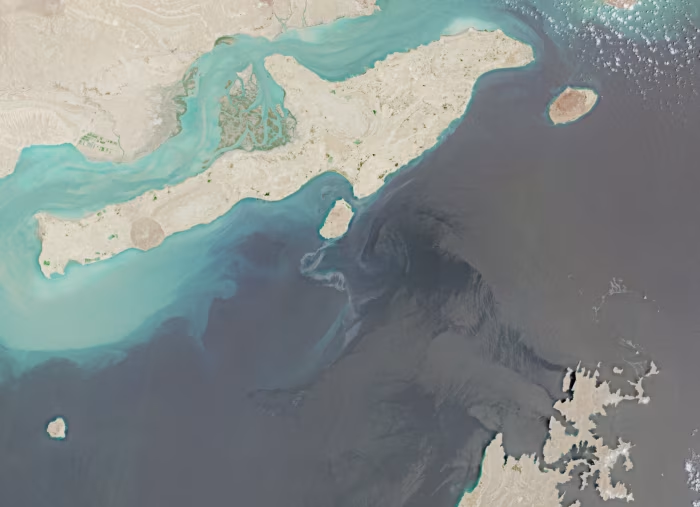
WASHINGTON — The United States carried out strikes on Iran’s Qeshm Island on Monday, according to US officials cited by The Wall Street Journal, adding to a series of limited military operations that Washington has reportedly conducted against Iranian targets in recent weeks.
The strikes came asUS Strikes Iran’s Qeshm Island as Trump Downplays Risk of Renewed War
President Donald Trump sought to play down the prospect of renewed large-scale conflict with Iran, publicly expressing optimism about a possible diplomatic settlement ahead of Tuesday’s US midterm elections.
The latest operation highlights the contrast between Washington’s public emphasis on diplomacy and its continued use of military force in the region.
According to the Wall Street Journal, US officials described the recent operations as limited and defensive, intended to prevent Iranian forces from threatening commercial shipping in the Strait of Hormuz. The administration has reportedly kept the strikes largely undisclosed to avoid creating the impression that it is preparing to resume a broader military campaign. <Cite refs={[“turn814409news0″,”turn814409news22”]}/>
Iranian state television reported explosions on Qeshm Island. A US official, speaking on condition of anonymity, said the strikes targeted Iranian personnel using surface-to-air missiles against US assets. The reported operation appeared limited in scope rather than a return to full-scale hostilities. <Cite refs={[“turn814409news22″,”turn814409news13”]}/>
Qeshm is strategically located near the Strait of Hormuz, a vital maritime passage for international energy shipments. Any military escalation around the island and the surrounding waters carries implications for commercial shipping and regional energy security.
Trump Plays Down Prospect of Further Military Action
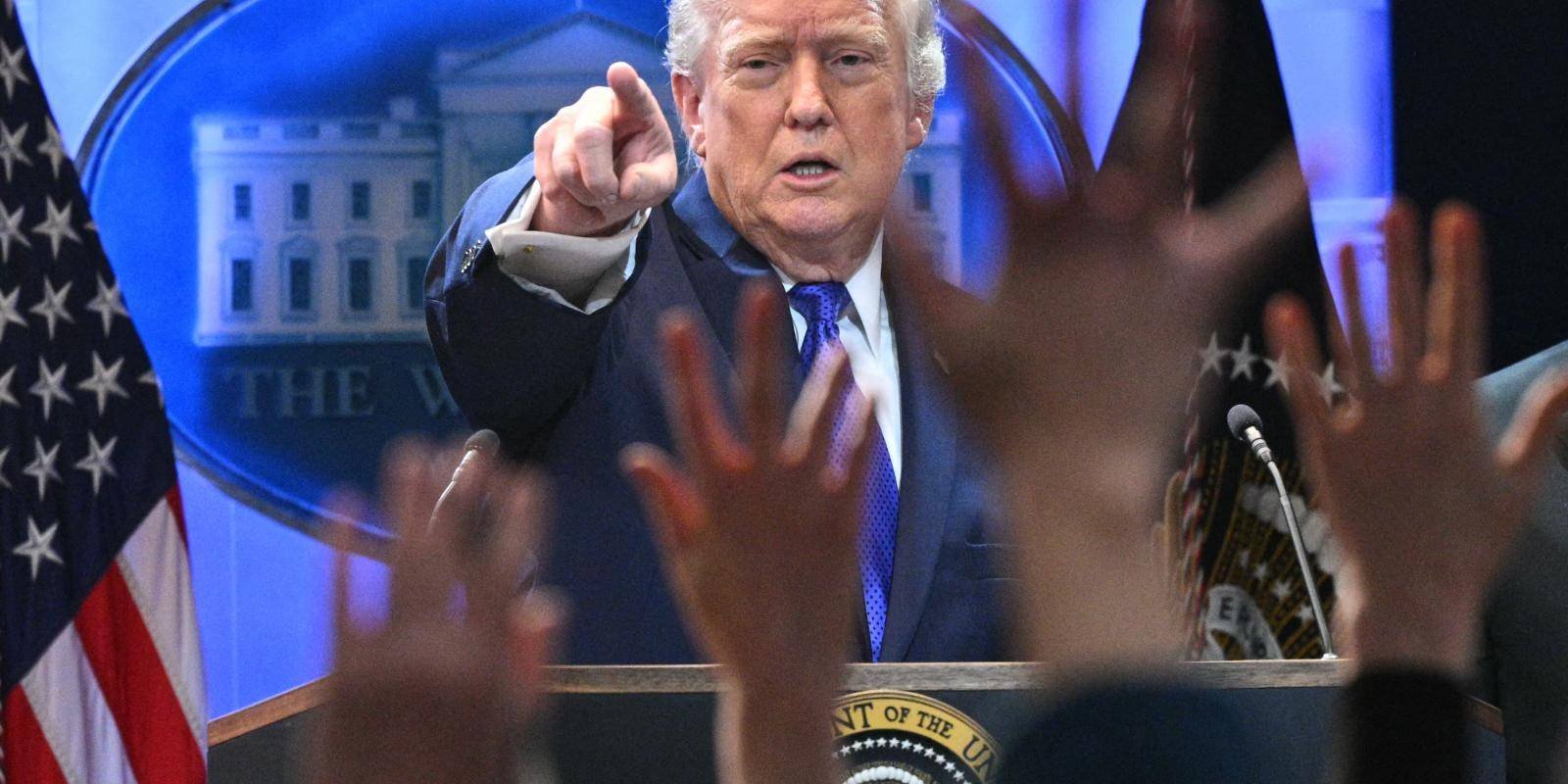
Speaking to reporters in Washington on Monday, Trump sought to minimise the scale of the conflict and the likelihood of an immediate return to fighting.
“We had a war with Iran. We won,” he said, adding: “I don’t know if you even call it a war because we haven’t been doing any fighting for months.”
Asked whether he was considering renewed strikes after Tuesday’s midterm elections, Trump reportedly answered no. His remarks followed earlier statements suggesting that Washington could still take further action if negotiations failed. <Cite refs={[“turn814409search9″,”turn814409news25”]}/>
The president also pointed to falling oil prices as a sign that markets expected the conflict to ease. In a post on Truth Social, he said Iran wanted a settlement and suggested that an agreement could be reached.
The comments come at a politically sensitive moment for the administration. The conflict and its impact on fuel prices and the wider economy have become issues ahead of the midterm elections, in which Republicans are seeking to retain control of Congress. <Cite refs={[“turn814409search9″,”turn814409news12”]}/>
Diplomatic Efforts Continue
Despite the latest military action, diplomatic contacts between Washington and Tehran appear to be continuing.
Vice President JD Vance said on Monday that the administration remained cautiously optimistic about the possibility of a negotiated settlement. He told reporters that he had held discussions with Trump about the diplomatic efforts and that there had been several constructive conversations with Iranian officials.
Vance said the United States wanted a firm and verifiable commitment that Iran would not rebuild its nuclear programme. He also indicated that the administration had not set a deadline for Tehran to reach an agreement before further military action.
“We’ve certainly made some progress. We’ll see if we can make some more,” he said. <Cite refs={[“turn814409search9″,”turn814409news12”]}/>
Qatar has also been involved in mediation efforts. Regional officials cited by the Associated Press said Qatari mediators were seeking to advance a framework under which Iran would halt attacks in the Strait of Hormuz in return for the United States lifting its blockade on Iranian ports. Further discussions were expected during the week. <Cite refs={[“turn814409news22″,”turn814409search12”]}/>
However, the negotiations face substantial obstacles. Washington is seeking guarantees over Iran’s nuclear programme, while Tehran wants assurances that the United States will honour any agreement and lift the pressure imposed on its economy.
Regional Security and the Risk of Escalation
The latest strikes come amid continuing tensions over maritime security and the movement of commercial vessels through the Strait of Hormuz. The waterway is a major route for global energy supplies, making any disruption a concern for oil-importing countries and international markets.
The United States has maintained a naval presence in the region as part of its pressure on Iran. Additional military deployments have also been reported, while regional governments have expressed concern that renewed fighting could spread beyond the immediate theatre of conflict.
Israel has reportedly urged Washington to consider further military action against Iran. At the same time, regional officials have warned that another escalation could have wider and more destructive consequences. <Cite refs={[“turn814409news12″,”turn814409news23”]}/>
For now, the situation remains uncertain. The United States has conducted further limited strikes even as its president speaks of a possible settlement. Iran’s response, the outcome of diplomatic contacts and the security of shipping through the Strait of Hormuz will all influence whether the current confrontation moves towards negotiations or another phase of military escalation.
Republic Policy | Governance. Institutions. Public Policy.
Source: Based on reporting by The Wall Street Journal and the Associated Press. Statements by US officials and the positions attributed to the parties are reported as such and have not been independently verified by Republic Policy.