
The government has shifted Rs14.71 per litre of the petroleum levy burden to oil refineries for 30 days, preventing a planned increase in petrol prices. The announcement came as officials confirmed that a Pakistan-bound LNG vessel had been attacked before reaching the Strait of Hormuz.
ISLAMABAD — Pakistan’s oil refineries will absorb a financial burden of approximately Rs15 billion over the next month under a government arrangement designed to prevent a further increase in petrol prices amid the disruption of global energy supplies.
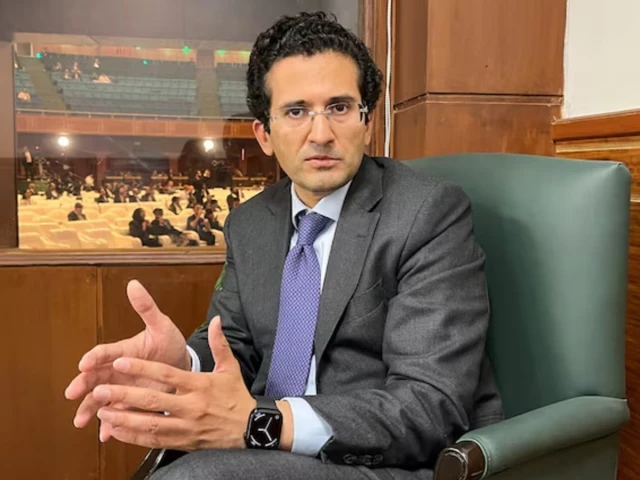
Petroleum Minister Ali Pervaiz Malik announced on Monday that refineries would bear Rs14.71 per litre of the petroleum levy for 30 days, allowing the government to keep petrol prices below the level that would otherwise have resulted from international market costs.
Speaking at a joint press conference with Information Minister Attaullah Tarar, Malik said the arrangement had taken effect on Friday following a decision by Prime Minister Shehbaz Sharif. The burden had already been reflected in the latest price determination.
Petrol is currently priced at Rs378 per litre, of which the government continues to collect an Rs80 per litre levy. Under the new arrangement, refineries will surrender the equivalent of Rs14.71 per litre under the petroleum levy account. The resulting benefit is to be passed on to consumers through a corresponding reduction in petrol prices.
Malik said the refineries had agreed to support consumers during a period of rising international oil costs. He added that the government would intervene if further difficulties threatened domestic fuel supplies or pushed prices higher.
The minister also pointed to refinery earnings, saying their profits over the preceding three months had exceeded their total profits for the previous year. He said the government had requested their cooperation as households and businesses faced mounting pressure from higher energy costs.
Changes to Petrol Price Calculation
The federal cabinet has also approved a revised method for determining the import price of petrol. Under the decision, the calculation may be based on the actual import cost of the relevant Pakistan State Oil (PSO) cargo. Where the actual cost is unavailable for a particular day’s pricing, the premium, incidental expenses and customs duty of the most recently available cargo may be used.
For the next 30 days, refineries will be entitled to an ex-refinery petrol price calculated using the premium, incidental expenses and customs duty applicable on 7 March 2026, before the outbreak of the current conflict. The difference between the determined import price and the ex-refinery price will be surrendered by refineries under the petroleum levy account.
The government says the benefit must be passed on to petrol consumers through lower pump prices. The arrangement is temporary and is intended to provide relief while international energy markets remain under pressure.
Pakistan-Bound LNG Vessel Attacked
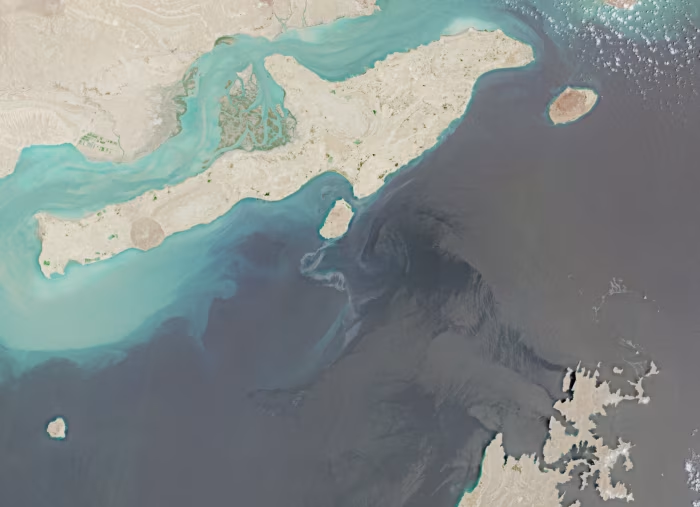
The press conference also addressed an attack on a liquefied natural gas (LNG) vessel bound for Pakistan. Malik confirmed that the ship had been hit before entering the Strait of Hormuz but did not identify those responsible.
The vessel, Al Mayeda, had been expected to reach Pakistan after Islamabad negotiated safe passage with Iran. Information Minister Tarar urged the media to avoid speculation about the perpetrators, saying the government would share verified information.
He also assured the public that there was no shortage of fuel supplies, describing the situation as sensitive. Qatar and Saudi Arabia have condemned the attack, calling it a dangerous act that threatened the security of global energy supplies. Qatar’s Foreign Ministry said it had initiated an investigation to establish the circumstances of the incident and identify those responsible.
The attack adds uncertainty to Pakistan’s efforts to secure energy imports at a time when regional tensions are disrupting established supply routes. The government has not disclosed the identity of the attackers.
Winter Gas Planning and Consumer Support
Malik said arrangements had been made to meet domestic gas requirements for November, based on the government’s plan to provide residential consumers with three daily supply periods. Decisions concerning supplies for December and January were still being worked out.
He also addressed delays in finalising 16 to 22 LNG cargoes for the winter period, saying the prime minister and other officials were reviewing the price difference between LNG purchased from Qatar and supplies available in the open market.
Tarar, meanwhile, said the government’s fuel assistance scheme for motorcyclists and car owners would continue. According to the information minister, Rs27 billion had been disbursed under the scheme, while 15 million beneficiaries had registered.
The information minister also defended the appointment of Establishment Secretary Nabeel Awan as acting chairman of the Oil and Gas Regulatory Authority (OGRA), saying the temporary nature of the appointment would not affect his work.
The government’s immediate priority is to contain the impact of the energy crisis on consumers while securing sufficient supplies for the coming winter. Whether the temporary relief arrangement can be sustained will depend on international fuel prices, the availability of imports and the financial capacity of domestic refineries.
Republic Policy | Governance. Institutions. Public Policy.
Source: Based on the reported press conference of Petroleum Minister Ali Pervaiz Malik and Information Minister Attaullah Tarar.