Republic Policy | Energy. Markets. Economic Governance.
OGRA raises the official LPG price by Rs14.73 per kilogramme for November, while open-market rates reach Rs630. Industry associations warn of disruption and threaten a strike from November 16 over the proposed LPG policy.
ISLAMABAD — Liquefied petroleum gas (LPG) is selling for more than twice its official price in parts of Pakistan’s open market, exposing a widening gap between regulated rates and actual consumer costs as supply shortages intensify amid disruptions linked to the US-Iran conflict.
The Oil and Gas Regulatory Authority (OGRA) has increased the official LPG price for November by approximately Rs15 per kilogramme, setting the notified rate at Rs294.08 per kilogramme, up from Rs279.34 in October.
Under the revised schedule, the official price of an 11.8kg domestic cylinder has risen by Rs173 to Rs3,470. However, market prices have climbed considerably higher. LPG is reportedly selling for as much as Rs630 per kilogramme in the open market, while company-operated franchises are charging up to Rs400.
The disparity raises concerns about market oversight, supply-chain vulnerabilities and the effectiveness of price regulation at a time when households relying on LPG face mounting costs.
Global benchmarks push up official prices
In its notification, OGRA attributed the increase to changes in the Saudi Aramco Contract Price (CP) and the dollar exchange rate, which are used to determine the producer price of LPG.
The authority said the Saudi Aramco benchmark had increased by 6.47 per cent compared with the previous month, while the average dollar exchange rate had declined marginally by 0.12 per cent. The combined effect resulted in an increase of Rs14.73 per kilogramme in the consumer price.
The official adjustment, however, does not explain the much larger difference between the notified rate and prices reported in the open market. That gap has brought renewed attention to the availability of supplies, distribution practices and the capacity of regulatory authorities to prevent excessive pricing.
Dependence on imports exposes supply risks
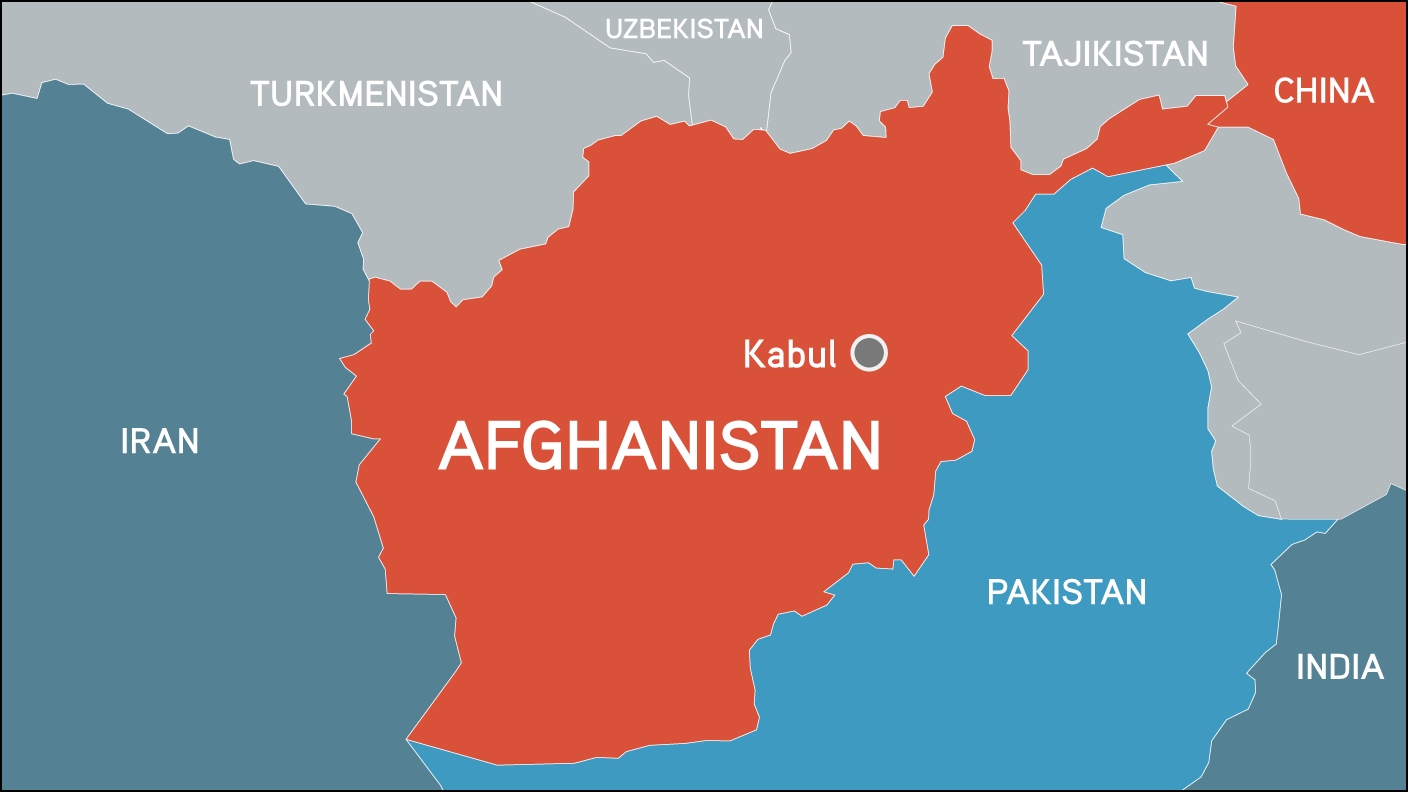
LPG Distributors Association of Pakistan Chairman Irfan Khokhar said the situation had become serious following the closure of the Iran border. He estimated that around 70 per cent of Pakistan’s LPG supply came from Iran, while domestic production accounted for the remaining 30 per cent.
He urged the government to take effective measures against market manipulation and address the shortage.
The reported dependence on a single supply route highlights a broader energy-security concern: when a substantial share of a commodity comes through a vulnerable border or limited import channels, geopolitical disruption can quickly translate into domestic shortages and price volatility.
Industry warns of strike over proposed policy
A separate dispute has emerged over the government’s proposed LPG policy, with marketing companies warning that they could suspend operations from November 16 if the private sector is excluded from the new framework.
Pakistan LPG Marketers Association Chairman Ali Haider said the industry would observe a strike if the government proceeded with the proposed policy. He argued that the government should not reverse the deregulation of the LPG sector, particularly when private companies play a significant role in importing the commodity.
Haider said Pakistan imported approximately 225,000 tonnes of LPG from Gulf countries out of total consumption or supply of around 1.3 million tonnes, with most of those imports undertaken by private-sector operators.
He also questioned the role of state-owned entities in maintaining supplies, saying the ProGas terminal at Port Qasim was under the control of Sui Southern Gas Company (SSGC), which had imported LPG around seven months earlier.
The association has written to Petroleum Minister Ali Pervaiz Malik, claiming that the draft policy submitted to the prime minister was prepared without input from private-sector stakeholders. It has called for the LPG sector to remain fully deregulated.
Dispute over the role of the state
The policy disagreement also centres on the Petroleum Development Levy (PDL) imposed under the 2016 LPG policy. According to the marketers’ association, the policy introduced a levy of Rs4,669 per tonne on locally produced LPG to subsidise imports by state-owned entities, including Pakistan State Oil (PSO), Pakistan Refinery Limited (Parco) and SSGC, particularly during winter and emergencies.
Haider alleged that despite billions of rupees being collected through the levy, state-owned companies had failed to import sufficient LPG during the current shortage. This is an industry allegation and requires verification through official import, procurement and levy-collection records.
The competing positions point to a central policy question: how should Pakistan balance private-sector participation, public-sector emergency responsibilities and consumer protection in a strategically important energy market?
The wider governance challenge
The current LPG situation illustrates the difference between notifying a price and ensuring that consumers can actually purchase a commodity at that price. Effective regulation requires more than periodic price adjustments. It also depends on transparent supply data, monitoring of distribution networks, enforcement against unlawful overpricing and clear accountability for emergency imports.
The government must also clarify the proposed policy’s treatment of private-sector operators and the responsibilities of state-owned companies. Any restructuring of the sector should be informed by reliable supply data, transparent consultation and a clear assessment of the state’s capacity to intervene during disruptions.
For households dependent on LPG, the immediate concern is affordability and access. For policymakers, the challenge is to prevent a supply disruption from becoming a prolonged market and governance failure.
Source: Dawn. Market prices, import-dependence estimates and allegations concerning state-owned entities are attributed to industry representatives. The supplied report does not include an independent verification of these claims.
Slideshow: LPG Prices Surge Amid Supply Shortage
Slide 1 — LPG Costs More Than Double the Official Rate
The notified price is Rs294 per kilogramme, while open-market rates have reportedly reached Rs630.
Slide 2 — Official Price Increased for November
OGRA raised the price by Rs14.73 per kilogramme. An 11.8kg domestic cylinder now costs Rs3,470.
Slide 3 — Iran Border Closure Raises Supply Concerns
Industry representatives say Pakistan relies heavily on LPG imports from Iran, leaving supplies vulnerable to border disruptions.
Slide 4 — Private Sector Warns of Strike
LPG marketing companies threaten to suspend operations from November 16 over the proposed government policy.
Slide 5 — Dispute Over Deregulation
Industry representatives want private-sector participation protected and oppose reversing the deregulated LPG framework.
Slide 6 — Questions Over the PDL
Marketers allege that billions collected through the Petroleum Development Levy have not translated into adequate emergency imports by state-owned entities.
Slide 7 — The Governance Challenge
Can the government ensure affordable supplies, prevent market manipulation and establish clear responsibilities for public and private operators?