
Republic Policy | Governance. Institutions. Public Policy.
Fresh clashes at Torkham and Angoor Adda leave one civilian dead, while Washington says it shares Islamabad’s concerns over terrorist attacks originating from Afghan territory.
KHYBER/LOWER Pakistan Warns Afghan Taliban of ‘Unbearable Punishment’ as Border Clashes Continue
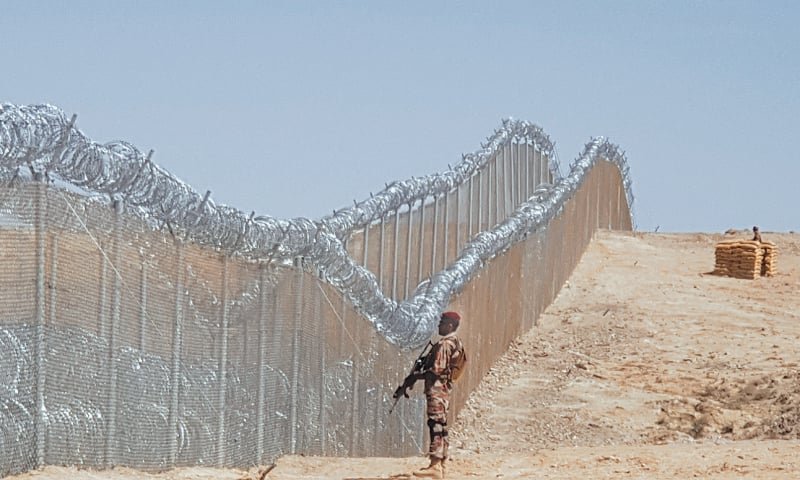
SOUTH WAZIRISTAN — Pakistani and Afghan border forces exchanged fire at several points along the frontier on Sunday, prompting a temporary closure of the Torkham crossing and escalating tensions between the two countries. Pakistan’s military warned that the Afghan Taliban would face serious consequences if they continued to allow terrorist groups to operate from Afghan territory.
The latest clashes followed a dispute over construction of a check post near Torkham. Separately, mortar shelling near the Angoor Adda crossing in Lower South Waziristan killed one civilian, according to the report.
The Torkham crossing remained closed for nearly five hours after an exchange of light-arms fire that lasted about an hour. It reopened after border officials from both sides, through intermediaries, agreed to halt construction activity near the border. The agreement, however, did not ease tensions in the Angoor Adda area.
According to local authorities, Afghan Taliban fighters continued firing at Pakistani border checkpoints. Pakistani security forces responded by targeting several Afghan border posts, mortar positions and defensive checkpoints. The deputy commissioner of Lower South Waziristan said there were no reports of casualties on the Pakistani side in those exchanges.
Dispute over Check Post Triggers Torkham Closure
Local residents said the firing at Torkham began after Afghan authorities resumed construction of the disputed Zangali check post, located within 100 metres of the border. Pakistan had objected to the construction, citing an earlier understanding between the two sides to avoid building security structures within that distance of the frontier.
The exchange of fire led to the immediate closure of the crossing, causing panic among local residents and Afghans returning across the border. The repatriation of unregistered Afghan nationals was suspended, while government offices in the area were closed.
A separate escalation was reported near Angoor Adda, where two mortar shells were fired from the Afghan side. The shelling killed one civilian, according to the report, while Pakistani forces responded to the firing.
Pakistan’s Military Issues Warning
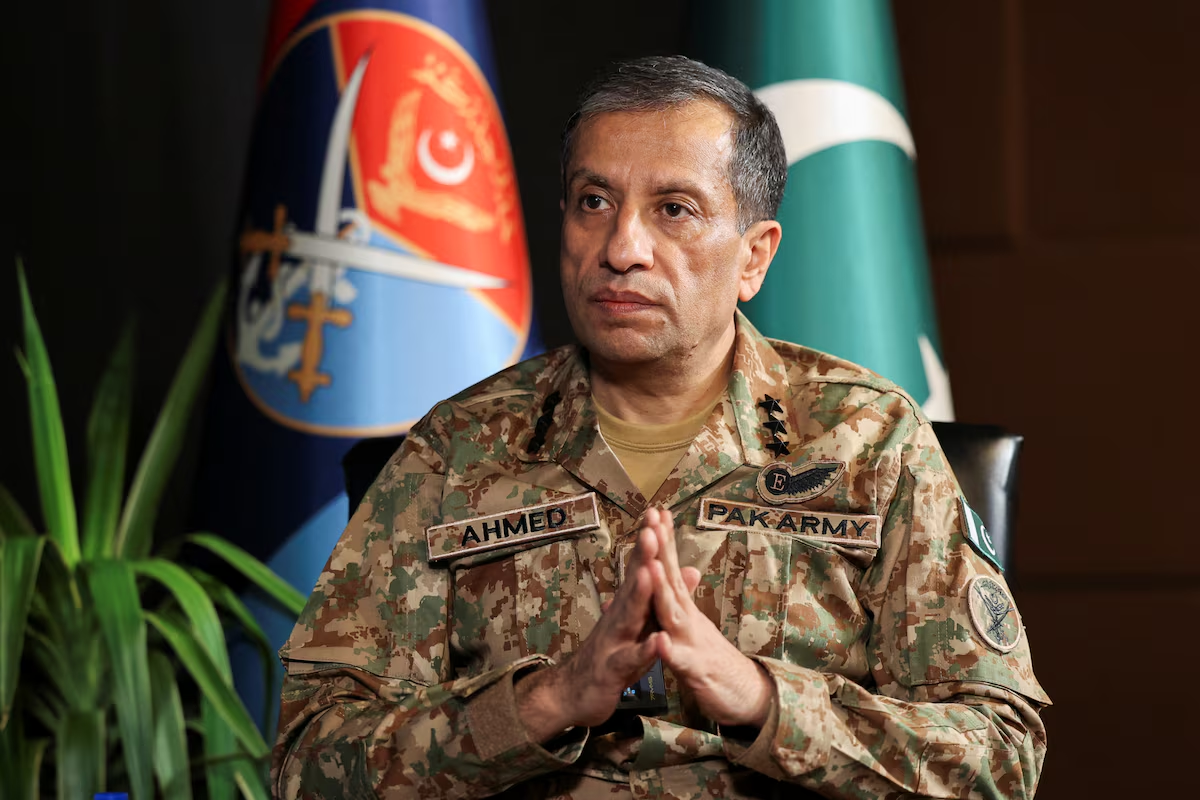
The clashes came amid a strong warning from Inter-Services Public Relations (ISPR) Director General Lieutenant General Ahmed Sharif Chaudhry, who said Pakistan had the operational capability and a clear strategy to impose a heavy cost if terrorism continued to originate from Afghan soil.
In an interview earlier in the week, excerpts of which were broadcast by state media on Sunday, the military spokesperson said the Afghan Taliban would not be able to withstand the consequences of Pakistan’s response.
He said Islamabad had no intention of interfering in Afghanistan’s internal affairs, but expected the authorities in Kabul to prevent militant groups from using Afghan territory to plan and carry out attacks inside Pakistan.
“We only ask that you don’t support terrorism inside Pakistan. Stop harbouring the terrorist leaders,” he said.
Lieutenant General Chaudhry also accused India of being the principal sponsor of terrorism in Pakistan and described the Tehreek-i-Taliban Pakistan (TTP) and the Balochistan Liberation Army (BLA) as proxies. These statements represent the Pakistani military’s position and allegations; they were not independently verified in the report.
On the question of cross-border drone threats, the ISPR chief said Afghanistan lacked an indigenous drone industry and relied on external sources for such capabilities. He added that Pakistan’s armed forces were adapting to changes in modern warfare, including the use of drones, cyber operations and long-range weapons.
Washington Acknowledges Pakistan’s Concerns
The security situation also drew a response from Washington. US Secretary of State Marco Rubio said the United States shared Pakistan’s concerns about terrorist attacks originating from Afghan territory and was open to playing a constructive role in reducing tensions.
Speaking to reporters on the sidelines of the G20 foreign ministers’ meeting in Atlanta, Georgia, Rubio said Washington did not want Pakistan to be targeted by terrorism.
He acknowledged that Pakistan had raised concerns about attacks it believed were being sponsored from Afghanistan and said the United States had seen some of the incidents cited by Islamabad.
Rubio added that the United States opposed terrorism regardless of where it originated or whom it targeted. He also noted that Washington did not maintain close relations with the Taliban authorities in Afghanistan.
His remarks indicate diplomatic recognition of Pakistan’s security concerns, although they do not amount to an endorsement of every allegation made by Islamabad.
A Fragile Border Situation
The latest exchanges underline the continuing volatility along the Pakistan-Afghanistan border, where disputes over security infrastructure, militant activity and cross-border attacks have repeatedly strained relations.
The reopening of Torkham after an agreement to halt construction may have resolved the immediate dispute, but the situation near Angoor Adda and the broader security concerns remain unresolved.
For Pakistan, the central demand is that Afghan territory should not be used by militant groups to launch attacks across the border. Washington’s stated willingness to engage could provide a diplomatic channel, but any sustained reduction in tensions will depend on practical measures to address the security concerns raised by Islamabad.
Source: Dawn, with input from APP. Statements and allegations by Pakistani officials are attributed to their respective sources and have not been independently verified by Republic Policy.