
Republic Policy | National Affairs | October 30, 2026
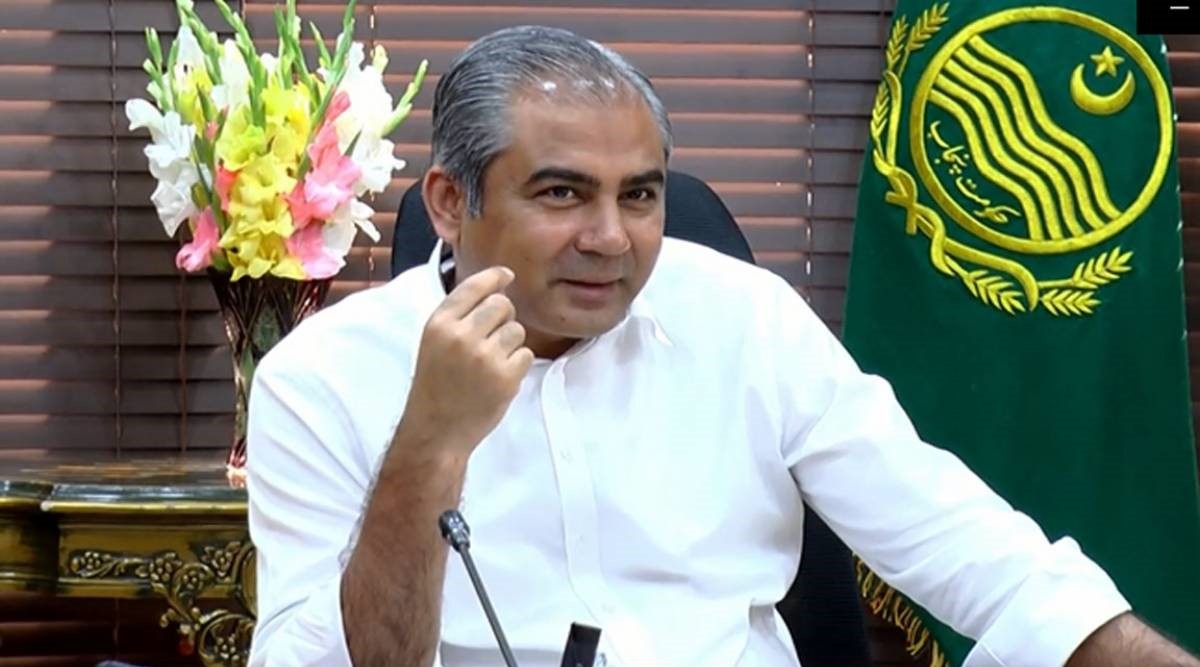
ISLAMABAD: Interior Minister Mohsin Naqvi has claimed that leaders of Jamiat Ulema-e-Islam-Fazl (JUI-F) previously approached the government seeking the imposition of governor’s rule in Khyber Pakhtunkhwa, triggering a heated exchange with opposition lawmakers during a Senate session on Wednesday.
The allegation emerged during Naqvi’s response to criticism from JUI-F chief Maulana Fazlur Rehman concerning the interior minister’s recent visit to Iran and the government’s handling of regional developments.
Addressing senators from Pakistan Tehreek-e-Insaf (PTI), Naqvi alleged that JUI-F representatives had privately encouraged the federal government to impose governor’s rule in KP, despite their public political positions.
Referring directly to PTI Senator Barrister Ali Zafar, the minister claimed that JUI-F leaders had approached government officials and urged them to remove the existing provincial administration through governor’s rule.
The allegation immediately drew protests from JUI-F senators, including Kamran Murtaza, who objected to the minister’s remarks.
The Senate chair repeatedly intervened, asking lawmakers to maintain order, avoid interruptions and allow the interior minister to complete his statement.
Naqvi did not publicly identify the JUI-F representatives allegedly involved in the discussions or present documentary evidence supporting his claim during the reported exchange.
Dispute Over Governor’s Rule in Khyber Pakhtunkhwa
The minister’s allegation introduced a contentious constitutional issue into an already tense parliamentary debate.
Governor’s rule in Pakistan involves exceptional constitutional arrangements under which the normal functioning of provincial government may be affected through federal intervention, subject to constitutional requirements.
Article 234 of the Constitution provides a framework for presidential action when a province cannot be governed in accordance with constitutional provisions. Such action is subject to specified procedures and parliamentary oversight.
The possibility of federal intervention in Khyber Pakhtunkhwa remains politically sensitive because the province has been governed by PTI and its allies, while relations between the provincial leadership and federal authorities have frequently been strained.
Naqvi’s statement suggested that political differences between JUI-F and PTI had extended beyond public criticism to alleged discussions about changing the province’s governing arrangements.
However, the minister’s account remains an allegation, and the reported Senate proceedings did not establish whether any formal proposal for governor’s rule had been submitted by JUI-F representatives.
The exchange also highlighted the political significance of provincial autonomy and the need for constitutional procedures to remain distinct from partisan disagreements.
Iran Visit Becomes Another Point of Contention
The confrontation followed criticism by Maulana Fazlur Rehman of Naqvi’s recent visit to Iran, including questions about whether Pakistani officials had travelled to Tehran to negotiate a defence agreement.
Naqvi rejected that interpretation, maintaining that his visit was connected to the regional crisis involving Iran and the ongoing conflict in the Middle East.
He said Prime Minister Shehbaz Sharif had personally assigned him responsibilities related to the crisis and that his travel was undertaken in an official capacity.
The minister insisted that the visit had not concerned negotiations over a defence agreement. He did not disclose the specific diplomatic responsibilities assigned to him by the prime minister.
The dispute reflects wider political disagreements over the government’s diplomatic engagements and the responsibilities of senior officials during regional emergencies. The Thursday Times+1
Minister Accuses JUI-F of Political Opportunism
As the debate intensified, Naqvi criticised the JUI-F leadership over what he described as its approach towards state institutions and political power.
He accused party leaders of invoking religion to advance political and personal interests, alleging that their attitude towards the state changed according to whether they benefited from government positions.
Naqvi also said he had previously respected Maulana Fazlur Rehman personally but believed the JUI-F chief’s recent statements had damaged that relationship.
The interior minister warned that criticism he considered inappropriate would receive a response, arguing that acceptable limits of political discourse had repeatedly been crossed.
JUI-F lawmakers rejected the tone of the accusations and continued protesting during the speech.
Senator Kamran Murtaza was particularly vocal in challenging the minister’s remarks, while the Senate chair repeatedly attempted to restore order.
In subsequent comments reported by the media, Murtaza questioned Naqvi’s conduct in the House and challenged the allegations directed at his party. Daily Times+1
Constitutional Questions Surround KP Intervention
The confrontation comes against the backdrop of the federal government’s October 11 decision to impose emergency measures and governor’s rule in Khyber Pakhtunkhwa.
The government announced the measures under Articles 232 and 234 of the Constitution, citing deteriorating security conditions and difficulties in securing cooperation from the provincial administration.
Federal ministers maintained that the intervention was constitutionally justified and necessary to address security challenges.
Opposition lawmakers, however, questioned the legality and justification of the measures, making provincial autonomy a central point of political disagreement.
Under the arrangements announced by the government, the governor assumed executive responsibilities previously exercised by the provincial administration, with an advisory council established to assist in governance.
The constitutional and political implications of these measures have remained controversial. Radio Pakistan+1
Senate Exchange Highlights Political Divisions
The dispute between Naqvi and JUI-F illustrates the widening disagreements among political parties over provincial governance, federal authority and the conduct of parliamentary debate.
The minister’s allegations about JUI-F’s alleged support for governor’s rule have not been independently established. The reported proceedings also did not provide evidence identifying the individuals said to have made the request.
The controversy over his Iran visit remains a separate issue, involving questions about diplomatic responsibilities and the government’s response to regional developments.
Both disputes became intertwined during the Senate session, shifting attention from parliamentary scrutiny of government decisions to accusations between political leaders.
The proceedings also demonstrated the difficulty of maintaining orderly debate when disagreements extend beyond policy into personal criticism and allegations about political motives.
Parliament provides a constitutional forum for questioning ministers, examining government decisions and holding public officials accountable. Its effectiveness depends on substantive answers, verifiable claims and respect for parliamentary procedures.
For now, Naqvi’s allegations have added another dimension to the political controversy surrounding Khyber Pakhtunkhwa.
The central unresolved question is whether the claims about JUI-F’s alleged request for governor’s rule can be substantiated, while the wider debate continues over the constitutional basis and political consequences of federal intervention in the province.