

Aneel Shahzad
After heavy rain, can children still walk to school without stepping through wastewater? That is a simple test for any village street. Punjab’s Khushhal Dehat Programme deserves attention because it puts two jobs that belong together, paving village streets and providing sewerage, into the same rural development programme.
On 14 November, Radio Pakistan reported that Chief Minister Maryam Nawaz Sharif had approved funding for a first phase covering 475 villages. She directed officials to release the first instalment in November and asked for a plan for another 2,000 villages. The Nation reported an approved allocation of Rs23.85 billion and in-principle approval of Rs50 million per village. Those are funding decisions and plans. The announcements do not establish that grants have reached the committees or that sewerage is operating in any of the 475 villages.
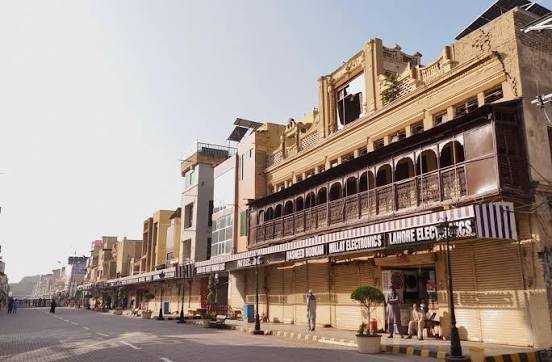
The focus on villages is well placed. Around six in ten people in Punjab lived in rural areas at the time of the 2023 census. A paved lane can make the walk to a school or clinic easier, especially where rain makes the route difficult to use. Putting sewerage into the same work plan gives engineers a chance to lay and test pipes before paving, rather than cutting into a new street later. The combination is one of the programme’s strongest features.
The next design decision is where the wastewater goes. Moving it out of a lane is useful only if it does not create a problem downstream. The World Health Organization treats safe sanitation as a chain that includes collection, transport and treatment or safe disposal. Even before work starts, each village plan should show where sewage will go, how stormwater will be handled and who will maintain the system. Small and dispersed settlements may need a different design from larger villages. The standard for safety should be the same.
Local oversight can make that design more practical. The reported committee structure brings district officials, non-government members, the union council chair and a sub-engineer into the process. Give residents a chance to walk the proposed routes with that team before contracts are awarded. A household on a lower lane may know where water collects. A shopkeeper or a parent may point out a crossing that needs to remain open during construction. The committee can use those observations to improve the plan, then publish its decisions and name the office that will handle complaints after handover.
It matters who owns the service after construction. The handover note should name the authority responsible for inspecting drains, clearing blockages and arranging safe disposal. Ask the contractor to demonstrate the system before handover, then ask the responsible office to publish a maintenance schedule and the source of its operating funds. A capital grant can pay for pipes and pavement. The first year of operation is a separate cost, and the village plan should show who will cover it.
A common grant figure gives villages a clear starting point. It cannot, on its own, reflect differences in settlement size, terrain or the condition of existing drains. The published figures also need a short budget breakdown: 475 grants at Rs50 million would total Rs23.75 billion, Rs100 million below the reported allocation. A village-by-village schedule showing what was approved, released and spent, with any other costs listed separately, would explain how the total is built up and make the programme easier to follow.
The province can make that schedule useful even to villages outside the first phase. Publish the names of the communities included and explain why they were chosen. Households served, existing sanitation coverage and repeated flooding are more useful criteria than a list of districts alone. A village with a paved main road may still have lanes that become inaccessible in the rain. Residents should be able to see whether those lanes are included. A copy of the plan at the union council office would help people check it without needing an internet connection. The same notice should tell residents when they can raise concerns and when they should expect a response.
A budget schedule can also help the next round of villages plan realistic work. Report the spending per household connected alongside the cost of paving and drainage. Use those figures to ask why costs differ, not to rank villages without context. A lower figure may reflect short distances and existing infrastructure rather than a better contract. A higher figure can be justified where engineering conditions require more work. Keep the assumptions visible so auditors and communities can ask the right questions.
Before expanding, Punjab can ask a few questions of the first phase. How many households are connected to functioning systems? Are the busiest lanes still usable after heavy rain? Who clears a blockage and how quickly? Answering those questions after the first monsoon following completion would show which designs and maintenance arrangements are worth using in the next group of villages. Other provinces could learn from the results without having to copy Punjab’s grant amount or committee structure.
The value of Khushhal Dehat is its attention to work people need every day. Punjab’s strongest case for expanding it will come from villages where the street stays usable, sewage is handled safely and residents know who will fix a problem when one occurs.
Aneel Shahzad is a Pakistan-based population researcher and monitoring and evaluation consultant. He holds a Master of Population Sciences from the Pakistan Institute of Development Economics.