
Source United Nations
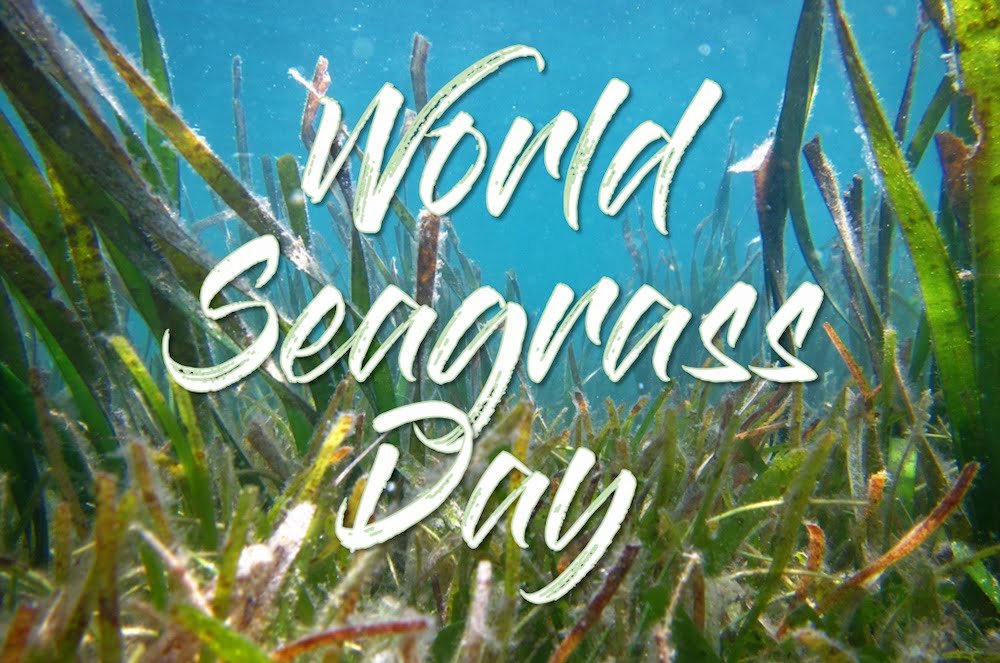
Seagrass is critical for the environmental protection of sea life. Modern sea life is challenging the sea environment. Therefore, it is essential to safeguard sea life. Therefore, due to the essentiality of the task, the United Nations took up the charge and declared 1 March as seagrass Day. The day reminds the significance of water and its life.
Healthy seagrass, healthy planet
In May 2022, the General Assembly adopted A/RES/76/265, proclaiming 1 March as World Seagrass Day. The resolution highlights the urgent need to raise awareness at all levels and promote and facilitate actions for the conservation of seagrasses to contribute to their health and development, bearing in mind that enhancing ecosystem services and functions is essential for the achievement of the Sustainable Development Goals.
Why seagrass matters
Seagrasses are marine flowering plants that are found in shallow waters in many parts of the world, from the tropics to the Arctic circle. They form extensive underwater meadows, creating complex, highly productive and biologically rich habitats.
Covering only 0.1% of the ocean floor, these seagrass meadows provide food and shelter to thousands of species of fish, seahorses, turtles, etc. and sustain some of the world’s largest fisheries. They improve water quality by filtering, cycling and storing nutrients and pollutants, reducing contamination in seafood. Highly efficient carbon sinks, they can store up to 18% of the world’s oceanic carbon, making them robust nature-based solutions to tackle climate change impacts. Because they buffer ocean acidification, they contribute to the resilience of the most vulnerable ecosystems and species, such as coral reefs. And to the coastal populations, they act as the first line of defence along coasts by reducing wave energy and protecting people from the increasing risk of floods and storms.
A resource in danger
Despite its essential contribution to sustainable development and climate change mitigation and adaptation, this core component of marine biodiversity is in danger. Only about a quarter of all meadows fall within marine protected areas.
Seagrasses have been declining globally since the 1930s, with the most recent census estimating that 7% of this critical marine habitat is being lost yearly. It was recently noted that 21% of seagrass species are categorized as Near Threatened, Vulnerable and Endangered Species under the International Union for Conservation of Nature Red List of Threatened Species.
The combined pressures of coastal development, pollution, including land-based run-off, climate change, dredging and unregulated fishing and boating activities, are key drivers of the degradation of seagrasses and their associated ecosystems.
Protection works
Despite a general global trend of seagrass loss, some areas have shown abating declines or substantial recovery of seagrasses. These recoveries can often be attributed to human interventions reducing the effect of human-caused stressors.
Seagrasses are critical for life underwater but also provide wide-ranging benefits to people on land. Raising awareness about their importance for community well-being, whether through food security from fish production, improved quality of water filtered by seagrasses, protection of coasts from erosion, storms and floods, or carbon sequestration and storage will drive efforts around the world to conserve, better manage and restore these ecosystems.
Ultimately, the protection and restoration of seagrass meadows will help countries achieve multiple economic, societal and nutritional objectives, aligning with and supported by national, regional or global policies. For example:
- The benefits of conserving and restoring seagrass meadows can help countries achieve 26 targets and indicators associated with the ten Sustainable Development Goals.
- Given seagrass ecosystems’ carbon storage and sequestration capacity, including them in nationally determined contributions (NDCs) can help nations achieve their targets under the Paris Agreement and the United Nations Framework Convention on Climate Change (UNFCCC).
- Including seagrass ecosystems in the post-2020 global biodiversity framework and the Convention on Biological Diversity (CBD) is also critical for protecting the integrity of marine ecosystems and biodiversity.
- Restoration of seagrasses also provides countries with opportunities to achieve commitments to be made to the United Nations Decade on Ecosystem Restoration.
The inclusion of seagrass management, conservation and restoration should be a critical component of sustainable blue economy strategies in the future. Projects are already underway in various countries, and a few have even been selected as World Restoration Flagships initiatives. Chosen as best examples of large-scale and long-term ecosystem restoration, these projects embody the ten restoration principles of the United Nations Decade on Ecosystem Restoration.
The ecosystem is also critical for Pakistan. Pakistan can learn from the experience of the United Nations and work on attaining the goals of a better functioning system. The United Nations should also support developing countries like Pakistan to achieve the objectives of seagrass environmental challenges.https://republicpolicy.com/climate-change/