
The country’s Gross Domestic Product (GDP) has posted growth of 0.3 per cent, missing all annual targets during CFY 2022-23 due to a variety of reasons, including lingering political uncertainty, devastating floods, delay in the resumption of the IMF program and administrative restrictions on imports in the wake of declining foreign exchange reserves.
Finance Minister Senator Ishaq Dar, who is already facing harsh criticism for worst economic Performance, along with his other cabinet colleagues and bureaucracy, will share the financial Performance of FY 2022-23 in the shape of the Economic Survey 2022-23 Thursday (June 8).
The incumbent has claimed that economic growth was targeted at 5% for 2022-23 amidst challenges like the overhang of Covid-19, supply disruptions because of the Russia-Ukraine conflict and adjustments in the current account deficit.
When the present Government assumed office in April 2022, it inherited an economy marred with huge macroeconomic imbalances including highest ever public debt(Rs. 49.2 trillion in June 2022, doubled over June 2018 level), dwindling foreign exchange reserves(S10.8 billion with SBP on April 8, 2022), currency depreciation (10.9% in 2021-22), massive circular debt (Rs. 2.4 trillion in June 2022), high fiscal deficit (7.9% of GIDP in 2021-22) and high current account deficit (4.7% of GDP in 2021-22 with highest imports of $84.5 billion).
The devastating floods of 2022 displaced 33 million people and caused damage and loss worth S 30.10 billion. Lingering political instability, delay in the resumption of the IMF program, and bleak global growth prospects shattered investors’ confidence.
In the wake of high inflationary pressures, the State Bank of Pakistan had to adopt a tight monetary policy throughout the year, impeding economic activities. Despite these hardships, the economy achieved a growth of 0.3%, exhibiting the economy’s resilience.
External sector vulnerabilities inherited from the previous Government compelled the present Government to take a hard decision of import compression to prevent the bleeding of dwindling foreign exchange reserves. Consequently, the current account deficit (CAD) decreased by 76%, providing much-needed space to avert sovereign default.
Economic Performance during 2022-23: The economic fundamentals that pushed the economic growth in 2021-22 were not sustainable, and thus, the real GDP was projected to shave off some growth momentum and grow by5% in 2022-23 with respective contributions from agriculture (3.9%), industry (5.9%) and services (5.1%).
The growth target was based on the assumptions of global slowdown, expected abatement of global inflation, and stability of exchange rate movements. The growth targets were subject to favourable weather, contained pandemic conditions, managing current account deficit, and consistent and supportive economic policies.
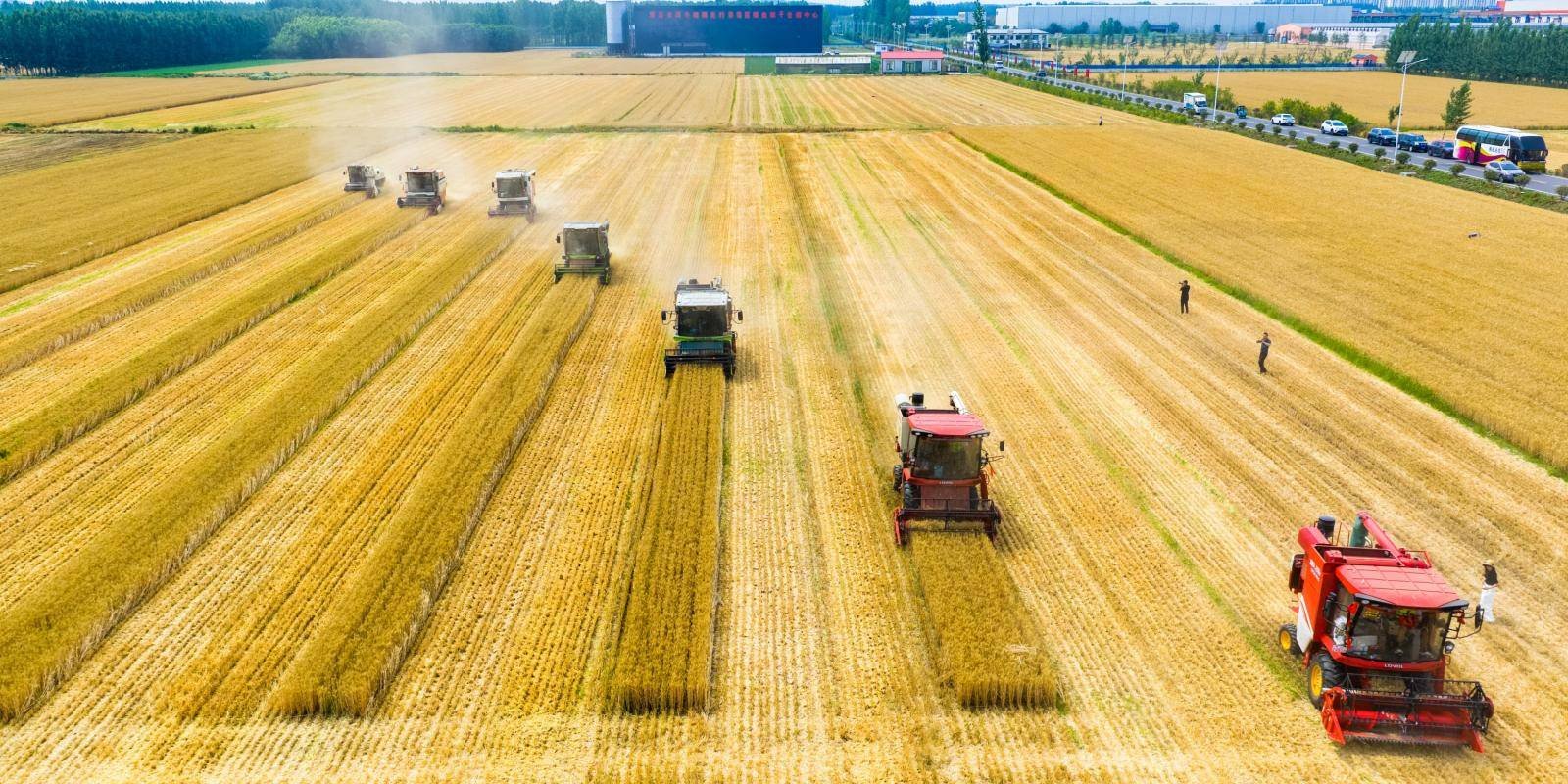
Agriculture was severely affected by floods, and the industrial sector faced double jeopardy as breaks in the raw materials supply chain caused by floods were complemented by import restrictions.