
Ahmed Naveed Qazi
Critical Evaluation of Ulysses by James Joyce
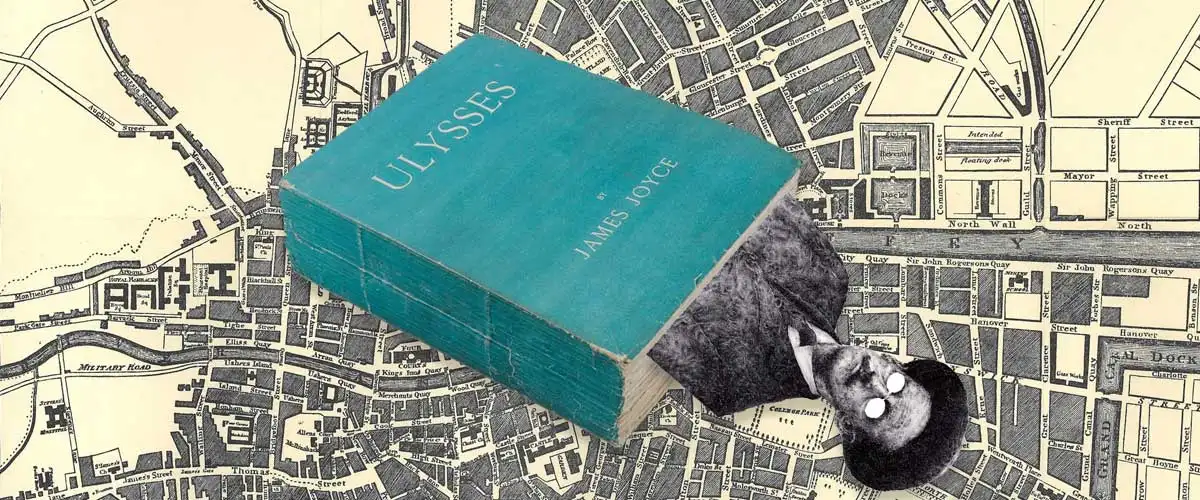
Ulysses by James Joyce is a novel widely acclaimed as a masterpiece of modern literature but also widely criticized as a complicated and obscure work. The novel is a complex and experimental exploration of the human condition, using various techniques such as stream of consciousness, parody, allusion, and symbolism. The novel follows the lives of two main characters, Leopold Bloom and Stephen Dedalus, as well as a host of other characters, on a single day in Dublin, June 16, 1904. The novel is divided into 18 episodes, each corresponding to a different part of Homer’s Odyssey but also reflecting different aspects of Irish history, culture, and politics.
A literary evaluation of Ulysses can focus on different aspects of the novel, such as its structure, style, themes, characters, and influences. The novel is structured as a parallel to Homer’s Odyssey but also as a circular journey that begins and ends with the same word: “yes”. The novel also follows a pattern of increasing complexity and diversity as each episode introduces new styles, perspectives, and genres. The novel challenges the conventional notions of plot, time, and space, as it depicts multiple events happening simultaneously or out of sequence and shifts between different levels of reality and imagination.
The novel is famous for its use of stream of consciousness, which is a technique that attempts to capture the flow of thoughts and feelings of the characters. The novel also employs various linguistic devices, such as puns, neologisms, portmanteaus, dialects, and foreign languages. The novel also parodies different forms of writing, such as newspaper articles, catechisms, legal documents, and musical scores. The novel demonstrates Joyce’s mastery and innovation of language but also creates difficulties for the reader to understand and appreciate the novel.
Please, rebpublicpolicy.com
Furthermore, the novel explores various themes that relate to the human condition, such as identity, memory, history, art, religion, sexuality, mortality, and freedom. The novel also reflects Joyce’s views on Ireland and its colonial situation, as well as his own personal experiences and struggles. The novel also engages with various philosophical and literary traditions, such as Shakespeare, Dante, Aristotle, Aquinas, Vico, and Nietzsche. The novel presents a rich and diverse portrait of humanity in all its complexity and contradiction.
Primarily, the novel features two main characters: Leopold Bloom and Stephen Dedalus. Bloom is a middle-aged Jewish advertising agent who is married to Molly Bloom. He is an ordinary man who suffers from various problems, such as his son’s death, his wife’s infidelity, his social isolation, and his sexual frustration. He is also a compassionate and curious man who shows interest in different aspects of life. Stephen Dedalus is a young aspiring writer who is haunted by his past, such as his father’s debts, his mother’s deathbed request, and his rejection of religion and nationalism. He is also an intellectual and artistic man who seeks to express his vision and identity through his words. The novel also features many other characters who represent different facets of Dublin society.
Likewise, the novel is influenced by various sources that Joyce drew from his extensive reading and research. The most obvious influence is Homer’s Odyssey, which provides the framework and the symbolism for the novel. Other influences include Irish mythology and folklore, which provide the background and the context for the novel; Shakespeare, especially Hamlet, which provides the intertextual references and the parallels for the characters; Dante, especially Inferno, which provides the imagery and the structure for the novel; Aristotle, especially Poetics, which provides the theory and the critique for the novel; Aquinas, especially Summa Theologica, which provides the logic and the system for the novel; Vico, especially Scienza Nuova, which provides the cyclical view of history for the novel; Nietzsche, especially Thus Spoke Zarathustra, which provides the existentialist perspective for the novel.
Please subscribe to the monthly magazines of republicpolicy.com
Lastly, Ulysses by James Joyce is a literary work that can be evaluated from different angles and levels. It is a novel that challenges the reader to engage with its complexity and diversity but also rewards the reader with its creativity and profundity. It is a novel that represents Joyce’s vision of life in all its beauty and horror but also invites the reader to create their own meaning from it. It is a novel that has influenced many other writers and artists but also remains unique and incomparable in its own right.