
Shazia Masood Khan
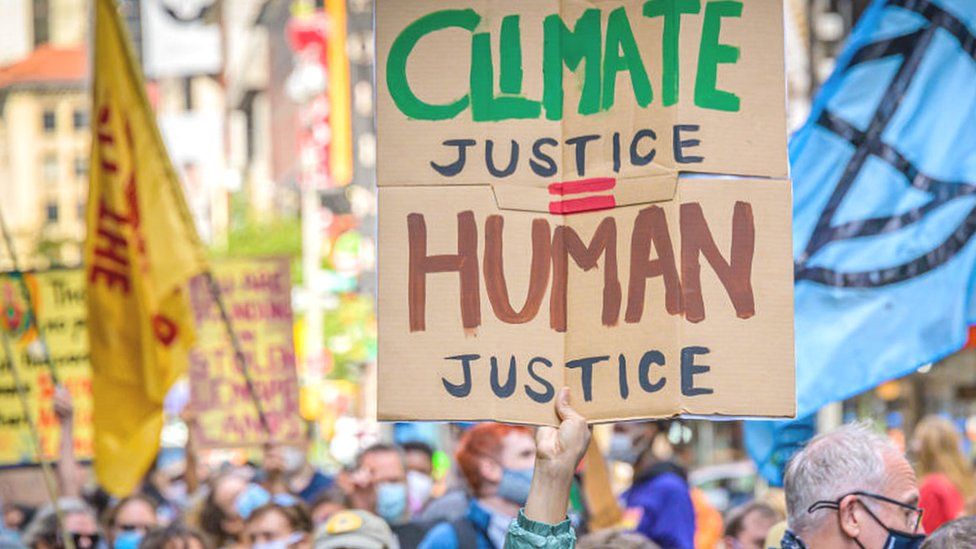
Climate injustice is a term that describes the disproportionate impacts of climate change on vulnerable and marginalized communities, particularly those in developing countries. It’s important to remember that climate change is a global problem that affects everyone, regardless of their location or socioeconomic status. The effects of climate change are not felt equally by all, and it is our shared responsibility to address this issue.
For example, low-lying island nations such as the Maldives, Kiribati, and Tuvalu are particularly vulnerable to the impacts of climate change as rising sea levels threaten to submerge their entire landmasses. This is despite the fact that these countries have contributed very little to global greenhouse gas emissions.
Similarly, indigenous peoples who depend on traditional subsistence activities such as hunting, fishing, and farming are often hit the hardest by climate change. Changes in weather patterns, such as devastating droughts or catastrophic floods, can obliterate crops, decimate fish stocks, and make it nearly impossible to hunt game. This can have severe health and economic repercussions on these communities, and can even pose a threat to their cultural survival.
Climate injustice is also evident in the fact that the countries and communities that are most vulnerable to the impacts of climate change are often the least equipped to adapt to these impacts. They may lack the resources, infrastructure, or political power to implement effective adaptation strategies, such as building sea walls or developing drought-resistant crops. This can exacerbate existing inequalities and leave vulnerable communities even more vulnerable to the impacts of climate change.
Climate injustice is often deeply rooted in historical and structural inequalities, including colonialism, racism, and economic exploitation. For instance, many developing countries have been coerced into relying on fossil fuels to fuel their economic development, often at the expense of their own natural resources and ecosystems. Meanwhile, developed countries, despite contributing the most to global greenhouse gas emissions, are often better equipped to adapt to the impacts of climate change. This creates a situation where those who are least responsible for causing climate change are often the most vulnerable to its effects.
To address climate injustice, it is urgent that we recognize the root causes of inequality and marginalization and work towards more equitable and sustainable solutions. This includes providing immediate support and resources to vulnerable communities to help them adapt to climate change, as well as working urgently to reduce greenhouse gas emissions and transition towards a more sustainable and equitable energy system. It also involves addressing broader issues of social and economic justice, such as poverty, inequality, and discrimination. Ultimately, addressing climate injustice requires a comprehensive and intersectional approach that addresses the root causes of inequality and marginalization and works towards a more just and sustainable future for all.
The issue of climate injustice is not just a concern, but a pressing and urgent matter that exacerbates the already existing socioeconomic and political injustices. To prioritize climate justice, it is crucial to first comprehend the injustice that serves as a key to envisioning the bigger picture. Climate change, a consequence of over a century and a half of burning Earth’s resources, has triggered numerous changes to the environment, climate, and weather patterns. This has led to catastrophic events such as massive floods in Pakistan, heat waves in Europe, hurricanes in the Caribbeans, droughts in the Horn of Africa, and the melting of gigantic glaciers.
One of the most significant injustices is that the population that becomes victims are widely different from those who have considerably contributed to climate change. For countries like the Maldives, Seychelles, Tuvalu, and Palau, climate change serves as a time bomb that perpetuates life-threatening impact on the island countries owing to widespread melting of gigantic glaciers. The rising waters in the oceans will catalyze the small islands to disappear, which is entirely unfair, as these island countries are not responsible for their own land disappearance.
In legal terms, compensating countries for all the toll caused by large economies is known as climate justice. Through the loss and damage fund, nations are paid reparations to recover the loss in form of either men or material. With the temperature of the globe rising at a snail’s pace, climate justice is brought in action to provide means and coerce to take measures to forestall the rise before it becomes too little too late.
It is farcical to think that countries will fluctuate overnight from non-renewable to renewable energy sources because many countries’ economies mostly depend on fossil fuels. Therefore, the concept of climate justice is to turn the country’s economy and functioning style into something more environmentally friendly by negating fossil fuels usage bit by bit.
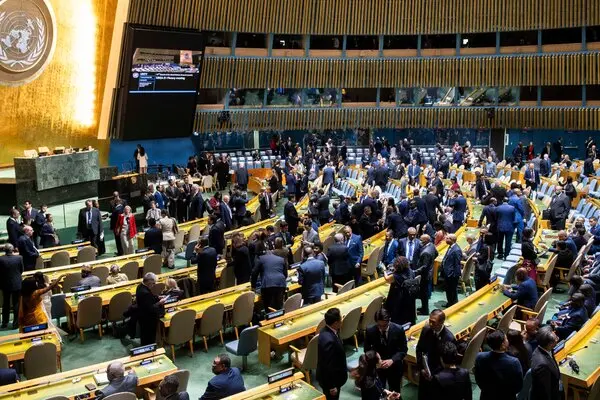
International organizations come to the rescue, signing treaties and agreements among the nations to stick on renewables and act upon actions that minimize carbon emissions into the environment. The Kyoto Protocol, Rio Declaration, and Conference of Parties (COPs) are the leading apparatus to provide financial compensation to climate-struck vulnerable countries to recover the loss and damage and to make them pledge and provide frameworks in adopting novel initiatives to minimize carbon emissions.
The process of compensating the countries starts with the island countries given their vulnerability to climate change and its repercussions. Island nations are prioritized because the oceanside waters are rising rapidly. The justice is, say developing countries, to compensate them as much as $100 billion by 2030 to reverse and recover the loss and act upon actions less harmful to the climate change and environment. As time passes by, the finance will also skyrocket, as the same developing nations will require $400 billion by 2040 and over $1 trillion by the halfway point of this century.
By prioritizing intergenerational equity, compensating climate debts in dribs and drabs, and addressing the slogan and right to development, the world will surpass this cataclysm without costing an arm and a leg as it historically did. The best time to act is now. Setting climate justice as the primary purpose and sowing the seeds of intergenerational equity will catalyze positive change and avert the doomsday. In the age of socioeconomic and political inequalities and injustices, the world cannot afford climate injustice. As long as this injustice persists, climate change will continue to haunt and hunt down lives. Climate justice is the last hope of humanity since, through this justice, an environment suitable to all can be created.