
Fajar Rehman Khan
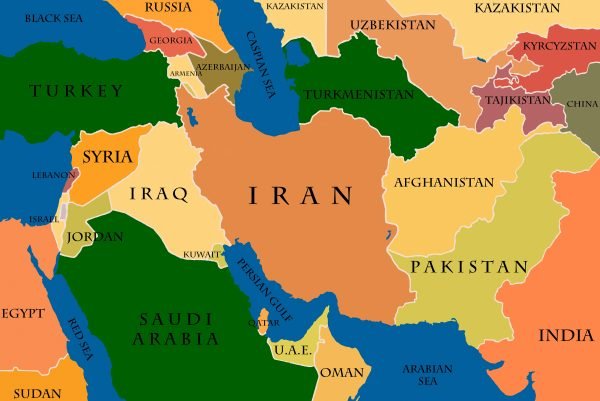
The Hormuz Stranglehold: Pakistan Pays the Price of a World on Edge The Strait of Hormuz has always been more than a waterway. It is the jugular vein of the global energy system, and today it is caught in a dangerous limbo that is sending shockwaves through every oil-dependent economy on earth. For Pakistan, a country that imports most of what it burns, the unfolding crisis is not a distant geopolitical drama. It is arriving at the petrol pump, the kitchen table, the factory floor, and the farmer’s field with brutal and compounding force.
Last month, the International Energy Agency issued a warning that should have commanded far greater attention than it received. Both oil supply and demand growth, the agency said, would slow compared to last year. Read that carefully. This is not simply a supply disruption story. A slowdown in demand growth signals something more worrying: a weakening global economy, one in which high energy prices are beginning to destroy the very consumption they depend upon. The IEA’s language about “demand destruction” is clinical, but the reality it describes is anything but. It means businesses scaling back, households cutting spending, and governments running out of fiscal room to cushion the blow.
Iran’s stranglehold over the strait has already triggered what the IEA describes as the largest supply disruption in recent memory. The American blockade designed to restrict Iranian tanker movement has poured further uncertainty into supply chains already stretched to their limits. Meanwhile, nations have begun hoarding energy stocks and restricting exports, a predictable but deeply damaging response that amplifies shortages and tears apart what remains of market stability. Volatility, scarcity, and rising prices have become the defining characteristics of global oil markets, and there is no credible timeline for resolution in sight.
Pakistan sits at the sharp end of all of this. The country depends on imports to meet the overwhelming majority of its energy needs, which means every dollar added to the price of a barrel of crude lands directly on the national balance sheet and eventually on the shoulders of ordinary citizens. Prime Minister Shehbaz Sharif’s recent statement that Pakistan’s monthly oil import bill has surged from 300 million dollars to 800 million dollars captures the sheer scale of the shock. That is not an incremental increase. That is a structural rupture in a fragile economy that was already limping through a difficult recovery.
The pass-through effects of this oil price surge are radiating across every sector. Transport costs are rising, driving up the price of everything that moves on a truck or a bus. Agriculture, already squeezed by water scarcity and input costs, is now absorbing higher fuel and fertiliser bills that will inevitably translate into food price inflation. Household budgets, particularly for the lower-middle class and the poor, are being hollowed out. Real incomes were already under pressure before this crisis; they are now being eroded at a pace that is pushing more families toward reduced consumption and genuine hardship.
The government finds itself in a trap with no comfortable exit. If it passes on the full impact of higher global oil prices to consumers, it risks triggering a public backlash and accelerating an inflation spiral that is already difficult to contain. If it absorbs the shock through subsidies, it widens fiscal deficits that are already a source of serious macroeconomic concern. Neither path is painless. Both carry political and economic costs that compound the longer the global crisis persists.
The State Bank of Pakistan’s decision to raise the policy rate to 11.5 percent reflects the growing anxiety among policymakers that inflationary pressures could become entrenched rather than transient. That concern is well founded. Higher global energy prices, elevated freight and insurance costs, and persistent supply chain disruptions are not the kind of shocks that resolve themselves in a quarter or two. They are hardening into medium-term structural constraints on growth. A tighter monetary policy may help anchor expectations and slow the inflation spiral, but it carries its own cost: dampened investment appetite, slower economic activity, and a credit squeeze that hits small businesses and emerging industries the hardest.
The longer this crisis persists, the more the consequences compound. Sustained energy price increases will accelerate inflation, erode purchasing power across every income bracket, and push vulnerable households below the poverty line. Economic growth, already modest and fragile, risks stalling entirely. The balance of payments, strained by a swelling import bill, could deteriorate to the point where external financing pressures return with a force that the country is in no position to absorb comfortably.
What this crisis is exposing, with brutal clarity, is the price of strategic negligence. Pakistan has known for decades that its dependence on imported energy is its single greatest economic vulnerability. The case for renewable energy development, domestic gas utilisation, coal-to-liquid alternatives, and aggressive energy efficiency has been made and remade across successive governments. Each time, the recommendations were filed away when oil prices eased and the pressure momentarily lifted. The next spike was treated as another emergency rather than the continuation of a permanent structural problem.
That cycle cannot be allowed to continue. Without a credible and sustained national strategy to reduce dependence on imported energy, diversify supply sources, and build genuine resilience against external shocks, Pakistan will remain permanently hostage to events it cannot influence and decisions made in Washington, Tehran, and Vienna. Every future spike in global oil prices, and there will be many, will carry the same destabilising force as this one. The Hormuz crisis will pass. The vulnerability it has exposed will not, unless Pakistan finally resolves to address it at its roots.