
Editorial
After the IMF approved a $7 billion Extended Fund Facility for Pakistan, Finance Minister Mohammad Aurangzeb emphasized the need for urgent structural reforms to improve the country’s economy. He highlighted that these reforms, while required by the IMF, also hold the potential to significantly benefit Pakistan’s economic landscape.
Pakistan has been struggling with issues such as mismanagement, fiscal indiscipline, corruption, and a bloated public sector, which have led to a heavy debt burden and poor human development indicators. The IMF’s representative in Pakistan also stressed the urgency of transforming the country’s development model, which is currently dominated by state intervention and favors a privileged few.
Pakistan’s taxation framework has its share of deficiencies, and the public sector is burdened with excessive current expenditure due to lavish spending and resource duplication. While these issues have been acknowledged at the highest levels of government, the crucial element of political will to enact these reforms is lacking.
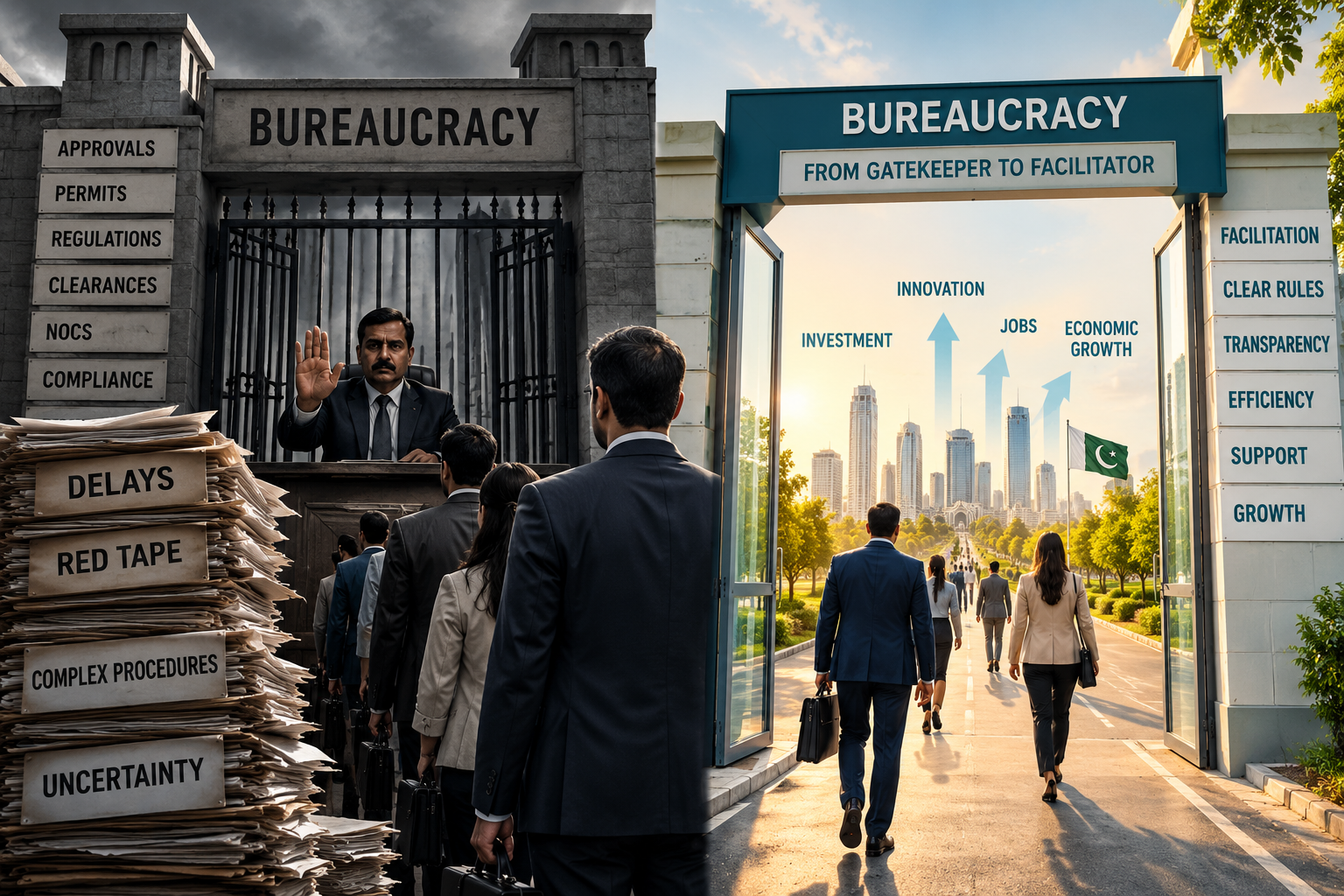
For instance, the decision to eliminate 60% of vacant government positions has been met with resistance, indicating a reluctance to enhance government efficiency. However, it is imperative to revamp the economy and enhance its efficiency to elevate the living standards of the populace and fortify against economic and environmental challenges.
Accordingly, Pakistan’s journey towards economic stability and prosperity requires the collective effort of all stakeholders. It is imperative to curtail excessive public spending, improve tax fairness, and enhance social welfare and human development programs to create a sustainable future for its citizens. Each one of us has a role to play in this transformative process.