
Nasir Ali Khoso
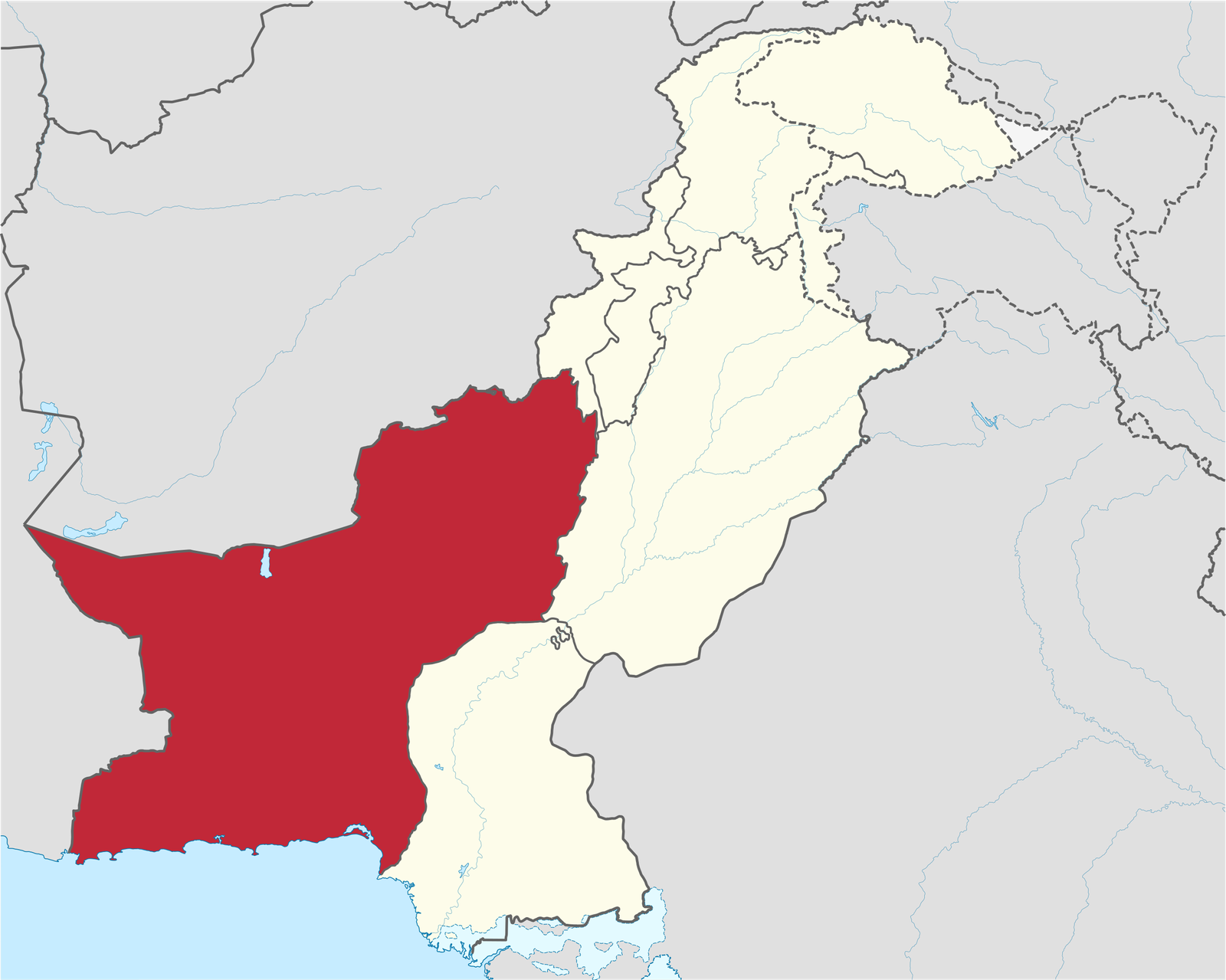
Pakistan’s civil and military leadership have once again pointed to dialogue and development as the path forward for Balochistan. They are not wrong. The province has suffered decades of neglect, violence and broken assurances, and no lasting peace can emerge without a genuine political process. Yet before celebrating this renewed rhetoric, one must ask a harder question: why have so many earlier attempts at reconciliation failed to take root, and what guarantees exist that this time will be different.
At a recent workshop on Balochistan held in Islamabad, Prime Minister Shehbaz Sharif called for open and substantive engagement with the province, and affirmed that its people hold first claim over its own resources. The chief of the armed forces, speaking in a similar spirit, emphasized the importance of empowering Balochistan’s youth. These statements are welcome. They acknowledge, at least in words, that the province’s crisis cannot be resolved through force alone. Immediate security threats do require a kinetic response, there is no denying that. But the deeper grievances driving unrest in Balochistan, grievances rooted in decades of political exclusion, resource extraction and unfulfilled promises, cannot be bombed or arrested into submission. They demand a political solution, sustained over years, not a press conference followed by silence.
History offers a sobering lesson here. In 2009, the Pakistan Peoples Party government unveiled the Aghaz-i-Huqooq-i-Balochistan package, a sweeping set of reforms meant to address the province’s political and economic marginalization. Seventeen years later, most of its key provisions remain on paper only. The package had promised the release of political workers not implicated in serious crimes, yet in recent months peaceful activists have been detained rather than freed. It had promised meaningful improvement in the province’s social indicators, yet Balochistan continues to record some of the worst outcomes in health, education and basic infrastructure anywhere in the country. The pattern is not new, and it is not accidental.
The Pakistan Muslim League-Nawaz government followed with its own package in 2015, carrying similar ambitions and similar fate. Much of that plan too sits unimplemented, its promises absorbed into the long list of commitments the state has made to Balochistan and then quietly abandoned. Even the China-Pakistan Economic Corridor, once billed as a transformative economic lifeline for the province, has failed to deliver the jobs, infrastructure and shared prosperity that were promised at its inception. Instead, many in Balochistan view the corridor as another extraction project, one that moves resources out of the province while leaving its people no better off.
This history matters because it exposes the real obstacle to peace in Balochistan. It is not a shortage of policy documents or well-intentioned packages. Pakistan has written these packages before, more than once, and each carried language not unlike what today’s leaders are now repeating. The obstacle is implementation, or rather, the state’s chronic failure to follow through on what it has already agreed to do. Announcing a new round of dialogue without first reckoning with this record of broken promises risks producing yet another package destined for the same fate: warm words, followed by years of inaction, followed by renewed unrest.
If the state is serious about stabilizing Balochistan, it must resist the temptation to start from scratch. There is no need to draft another grand scheme when the substance of what the province’s people want is already known and has already been written down, more than once, by the state itself. What is needed instead is the political will to finally deliver. Any credible dialogue must bring to the table the province’s genuine political leadership, including nationalist voices who have long articulated these very demands, along with peaceful activists rather than treating them as security threats. Alongside this, the state needs a transparent and verifiable mechanism, one that tracks commitments publicly and holds successive governments accountable for delivering them, rather than allowing each new administration to quietly shelve what its predecessor promised.
The recent spike in terrorist violence across Balochistan makes this task more urgent, not less. Security operations may suppress immediate threats, but they cannot substitute for addressing the root causes of alienation that have pushed segments of the province toward armed resistance in the first place. Only a genuine, sustained political process, one that finally converts promises into implemented reality, can offer Balochistan a durable peace. The leadership has said the right words before. The province, and the country, can no longer afford for those words to remain just that.
The best-selling books of Republic Policy Think Tank, including the landmark book The Bureaucratic Coup, are available at Vanguard Books, Liberty Books, Readings, Kitab Sarai, Sang-e-Meel, Saeed Book Bank Islamabad, National Book Foundation, and others across Pakistan. Contact for home delivery: 0300 9552542.