
Tariq Mahmood Awan
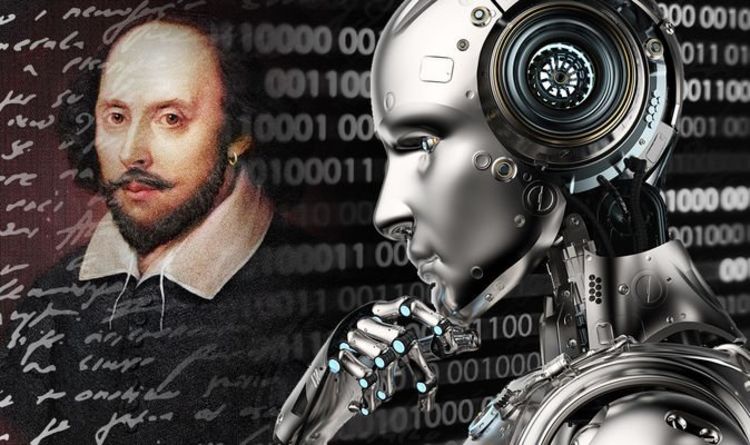
Artificial intelligence (AI) is the field of computer science that aims to create machines and systems that can perform tasks that usually require human intelligence, such as reasoning, learning, and creativity. Poetry and other literary forms illustrate human creative expression involving language, imagery, rhythm, and emotion. How can AI catch up with the imagination and creativity of poetry and other literary forms? Researchers, poets, and artists have explored this complex and challenging question from different perspectives. In this essay, I will critically evaluate some of the methods, achievements, and limitations of AI in poetry writing.
One of the primary methods of AI in poetry writing is to use computational algorithms to generate literary works, such as poems and prose. This is made possible by feeding large volumes of text data into machine learning algorithms to train them on language patterns, allowing them to generate original pieces with minimal human intervention. For example, researchers at Microsoft and Kyoto University developed a system that can create convincing poetry thought to be human-written by online human judges. The system used a recurrent neural network (RNN) to learn from a large corpus of classical Chinese poetry and then generated new poems based on given keywords or images. The system also incorporated a reinforcement learning module to optimize the quality and diversity of the generated poems.
Please subscribe to the magazines of republicpolicy.com
Another method of AI in poetry writing is to use computational algorithms to assist human poets in their creative process. This is done by providing suggestions, feedback, or inspiration to the human poets, who can modify or select the best options. For example, researchers at Carnegie Mellon University created a Ranting Poetry Generator (RPG) system that can help human poets write humorous rants about various topics. The system used a combination of natural language processing (NLP) techniques and humour theories to generate candidate rants based on a given topic and sentiment. The human poets can then edit or choose the best rants to form a poem.
The achievements of AI in poetry writing are impressive and remarkable, as they demonstrate the potential of AI to mimic or enhance human creativity. AI can produce coherent, fluent, and sometimes even meaningful and expressive poems. AI can also provide valuable tools and resources for human poets to improve their skills and explore new possibilities. AI can also challenge poetry and literature’s conventional notions and boundaries by introducing new forms, styles, and perspectives.
However, the limitations of AI in poetry writing are also evident and significant, as they reveal the gaps and challenges that AI still faces in capturing the essence and complexity of human creativity. AI cannot fully comprehend or replicate the context, culture, and emotion that underlie human poetry. AI cannot generate genuinely original or authentic poems, as they are always based on existing data or models. AI cannot evaluate or appreciate poetry’s aesthetic or artistic value, as it lacks humans’ subjective and personal judgment. AI cannot communicate or interact with human readers or poets naturally or meaningfully, as they lack the social and emotional skills that humans have.
Accordingly, AI in poetry writing is a fascinating and promising field that has made significant progress and contributions but also faces many challenges and limitations. AI can catch up with the imagination and creativity of poetry and other literary forms. Still, it cannot replace or surpass human poets in their unique and profound creative expression. Then, mystical and emotional poetry far-transcends robotic operations.
Subscribe to the YouTube Channel of republicpolicy.com