
Naveed Ahmed Qazi
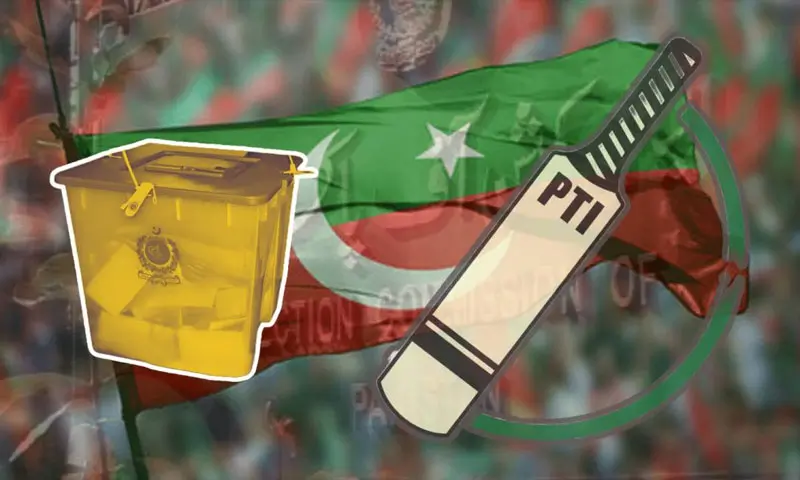
Former Prime Minister Imran Khan’s Pakistan Tehreek-e-Insaf (PTI) party’s petition to the Supreme Court regarding the loss of its electoral symbol, the cricket bat, raises several critical points for analysis:
1. Legal Battle and Symbol Significance:
- The petition challenges the Peshawar High Court’s reversal of the Election Commission of Pakistan’s (ECP) decision to strip PTI of the bat symbol due to alleged irregularities in its intra-party elections.
- The bat is not just a symbol; it’s deeply intertwined with Khan’s cricketing legacy and PTI’s identity. Losing it could significantly impact their electoral prospects, especially in a country with low literacy rates where visual symbols play a crucial role.
2. Time Pressure and Political Implications:
- With national elections scheduled for February 8th, the PTI faces a tight timeline for resolving the symbol issue. The petition emphasizes the need for a speedy hearing to avoid logistical challenges in nominating candidates and potentially losing voters accustomed to the bat symbol.
- The Supreme Court’s decision will hold significant political weight, influencing public perception of Khan and PTI, potentially impacting the upcoming elections.
3. Conspiracy Claims and Concerns about Fairness:
- Khan’s accusations of a “conspiracy” involving the military, ECP, and rivals to target him and PTI raise concerns about the fairness and transparency of the electoral process.
- While these claims deserve proper investigation, the Supreme Court must navigate potential political bias and ensure its decision upholds the law and strengthens electoral integrity, regardless of personalities or parties involved.
4. Potential Scenarios and Consequences:
- The Supreme Court could reinstate the bat symbol, uphold the ECP’s decision, or even order fresh intra-party elections. Each scenario carries its own consequences for the upcoming elections, potentially affecting voter turnout, party performance, and the overall political landscape.
- The court’s decision could set a precedent for future election disputes and influence how electoral symbols are managed and protected.
5. Broader Context and Long-Term Implications:
- This case highlights the importance of robust electoral institutions and mechanisms for resolving disputes within a legal framework.
- The Supreme Court’s decision will be closely scrutinized for its impact on Pakistan’s democracy and the future of free and fair elections in the country.
In conclusion, the PTI’s Supreme Court petition regarding the electoral symbol is a complex issue with significant legal, political, and social implications. The court’s decision will be pivotal in determining the future of the party, shaping the upcoming elections, and potentially influencing the trajectory of Pakistani democracy.
Overall, PTI’s petition to the Supreme Court regarding their electoral symbol is more than just a legal issue. It encapsulates anxieties about political interference, fairness of the electoral process, and the future of democracy in Pakistan. The court’s decision will be closely watched and will have far-reaching consequences for the country’s political climate. Furthermore, the PTI’s petition to the Supreme Court raises critical questions about electoral fairness, transparency, and the role of powerful institutions in Pakistan’s political system. The court’s decision will have a significant impact on the upcoming elections and the future of Pakistani democracy.
Please, subscribe to the YouTube Channel of republicpolicy.com