
Zafar Iqbal
There is a particular kind of shame that attaches itself to a nation that cannot feed its own people. Pakistan is edging closer to that shame with every passing fiscal quarter, yet the political class responsible for this failure continues to look away. The latest food trade figures offer no comfort and no ambiguity. They tell the story of a country with vast agricultural potential that is systematically squandering it, choosing instead to spend precious foreign exchange on importing the very staples it has the land, the climate, and the labour to grow at home.
Consider the scale of what is happening. Within just nine months of the current fiscal year, Pakistan’s food import bill has surged past seven billion dollars. This is not a rounding error. This is not a temporary disruption caused by a single bad harvest or an exceptional weather event. This is the product of decades of policy negligence, compounded year after year, until the damage has become structural and the consequences unavoidable. A country where nearly half of the entire workforce is engaged in agriculture is becoming progressively more dependent on others to put food on its tables. That is not a paradox. It is a policy failure of the first order.
What makes this figure particularly difficult to accept is the composition of these imports. Pakistan is not importing exotic foods or luxury goods that its soil cannot produce. It is importing sugar, edible oil, and pulses. These are the most basic of dietary staples. These are commodities that ordinary Pakistani households consume every single day. The idea that a country with Pakistan’s agricultural endowments cannot produce sufficient quantities of these items is not a statement about nature. It is a statement about governance.
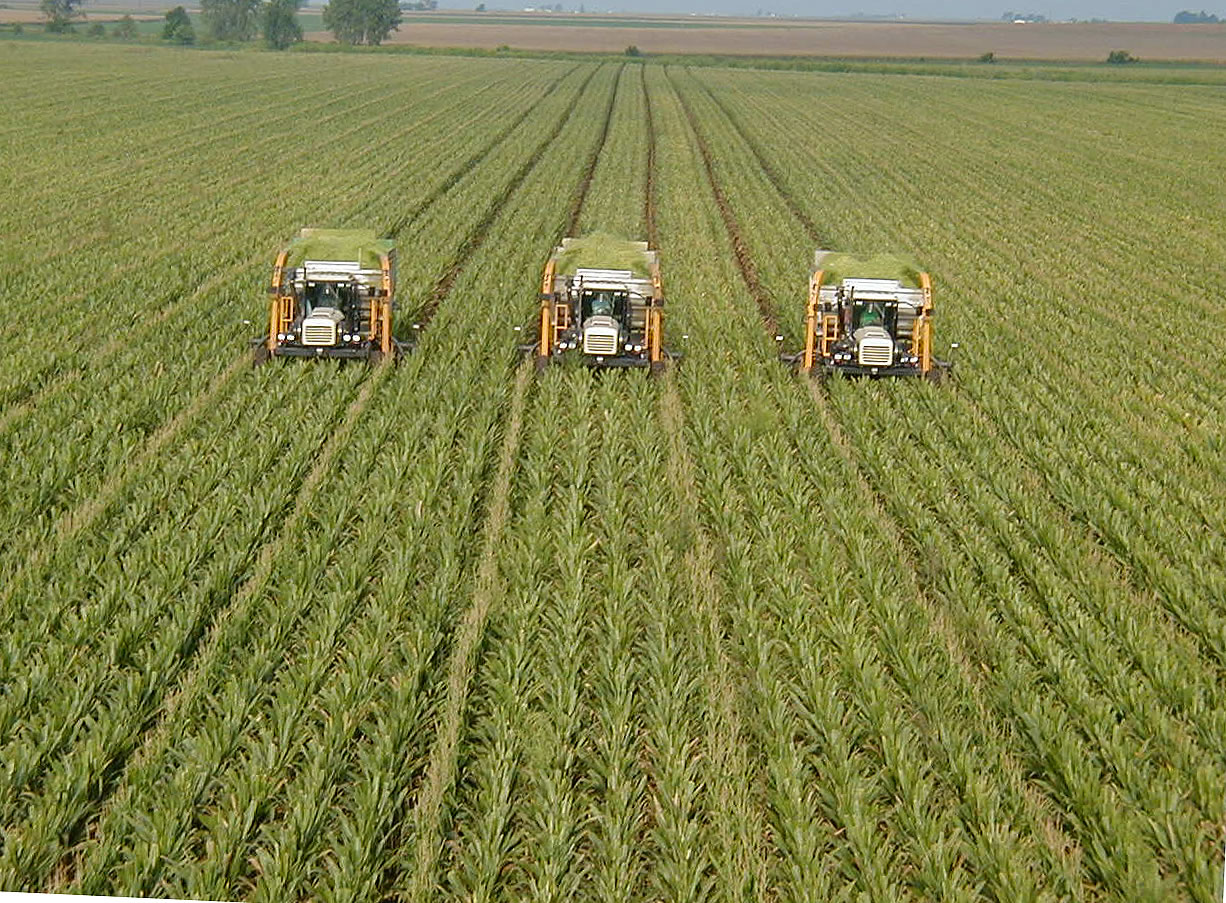
The roots of this crisis lie in a narrow and distorted agricultural strategy that has been pursued without serious revision for generations. Pakistani policy has revolved almost exclusively around a handful of major crops: wheat, cotton, sugarcane, and maize. Each of these crops has its importance, and none should be abandoned. But the manner in which policy has favoured them, through subsidies, government support prices, and the allocation of water resources, has created a damaging monoculture of priorities. Farmers respond to incentives. When the incentive structure rewards a narrow set of crops and ignores everything else, farmers plant what they are rewarded for planting. The result is chronic underinvestment in oilseeds, pulses, and the full range of high-value crops where Pakistan’s import dependence is now most acute.
This is, in every meaningful sense, a self-inflicted wound. No foreign power imposed this policy framework on Pakistan. No external constraint forced Islamabad to ignore oilseed cultivation while allowing edible oil imports to balloon. These were choices, made repeatedly over many years by policymakers who either did not understand the consequences or did not care about them. The farmers who might have diversified their production were never given the policy environment, the credit access, the technical support, or the market linkages to make that diversification viable. They planted what they were told to plant, and the nation imported what it needed to eat.
The other side of the ledger is equally alarming. Food exports have declined sharply, and the reasons extend well beyond external market pressures. Productivity across much of Pakistan’s agricultural sector has stagnated. Quality standards remain inconsistent, limiting market access in demanding international markets. Value addition, the processing and transformation of raw agricultural produce into higher-margin products, remains chronically underdeveloped. Pakistan continues to sell raw commodities in competitive global markets where processed, branded, and certified products command far better prices. The result is that Pakistani agriculture generates less foreign exchange than it should, while simultaneously consuming more in import payments than any responsible fiscal management can sustain.
The consequences of this trajectory will only worsen without decisive intervention. Climate change is already placing severe stress on Pakistan’s agricultural system. Water availability is declining in key farming regions. Extreme heat is compressing growing seasons and damaging yields. A rapidly growing population is placing increasing demand on food supplies that are not keeping pace. Global commodity prices, as Pakistan has learned repeatedly to its cost, are unpredictable and periodically brutal. A country with Pakistan’s fragile external financing position and its limited foreign exchange reserves cannot keep absorbing these pressures through an ever-expanding import bill. Something will break. The question is whether it breaks on terms that policymakers choose to manage, or on terms that an unforgiving economic reality imposes.
The rice sector offers a glimpse of what is possible when the incentive structure changes. Private investment in improved seed varieties and more efficient supply chains has generated genuine gains in yields, export volumes, and rural incomes. This did not happen by accident. It happened because the conditions were created for private sector participation to make sense. That model is transferable. There is no agricultural reason why Pakistan cannot replicate and surpass those gains in oilseeds and pulses, the two categories where its vulnerability is most exposed. What is required is not a miracle. It is a policy reset.
That reset must begin with honesty. Policymakers need to acknowledge, plainly and without excuse, that the existing agricultural framework has failed to deliver food security. It has failed to generate export competitiveness. It has failed the farmers it claimed to support, most of whom remain trapped in cycles of debt and low productivity. Admitting this is not a political weakness. It is the precondition for any serious reform.
What follows must be a deliberate shift in priorities: crop diversification as a stated national goal, innovation in seeds and farming techniques as a funded public commitment, and genuine private sector participation supported by fair regulation and reliable market access. Agricultural policy must be reoriented around food security, export competitiveness, and the long-term resilience of the farming economy. Pakistan has the resources to correct this course. It has the land, the labour, and, if it chooses to develop them, the institutions. What it has lacked until now is the political will to confront a crisis of its own making. That will must be found, and it must be found urgently.