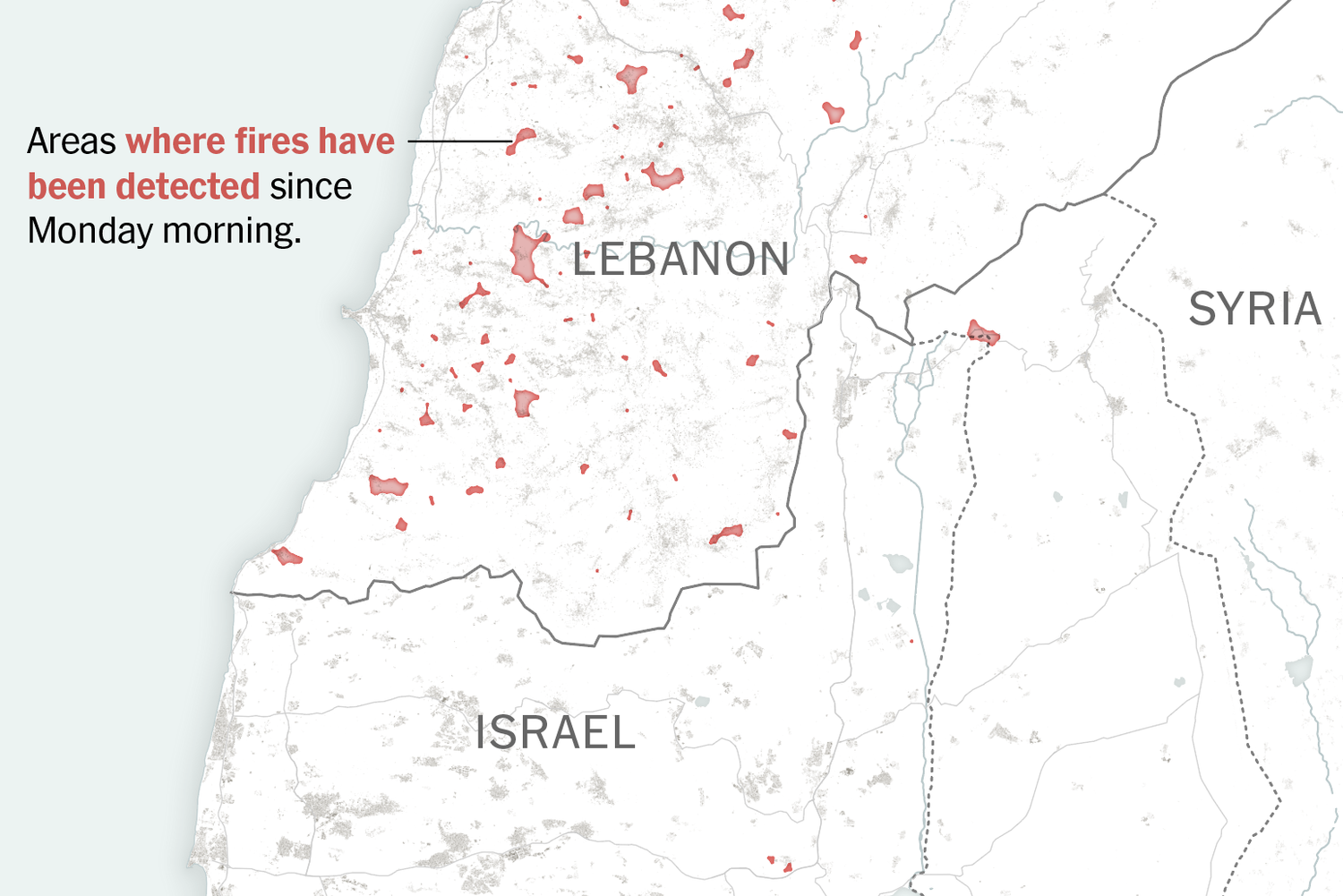

Israel and Lebanon have agreed to extend their ceasefire for another three weeks following talks at the White House led by former U.S. President Donald Trump. The pause in fighting comes amid a broader regional conflict involving Iran, Hezbollah, and key geopolitical tensions, including Iran’s nuclear program and control over the Strait of Hormuz.
Trump emphasized that he is not rushing into a peace deal with Iran, stating he prefers a lasting agreement over a quick resolution. He also maintained that the U.S. holds a strong position in the ongoing naval tensions in the strategic waterway, through which a large portion of global oil passes.
Despite the ceasefire, the situation remains unstable. Iran recently demonstrated its ability to disrupt shipping in the Strait of Hormuz by seizing cargo vessels, raising concerns about global energy supplies. Meanwhile, Iran’s leadership denied claims of internal instability and insisted the country remains united.
The conflict has also strained relations between the U.S. and its NATO allies, with disagreements over support for military actions. While ceasefire talks continue, no clear timeline for a long-term peace agreement has been set, and tensions across the region remain high.