
Pareeshe Fatima
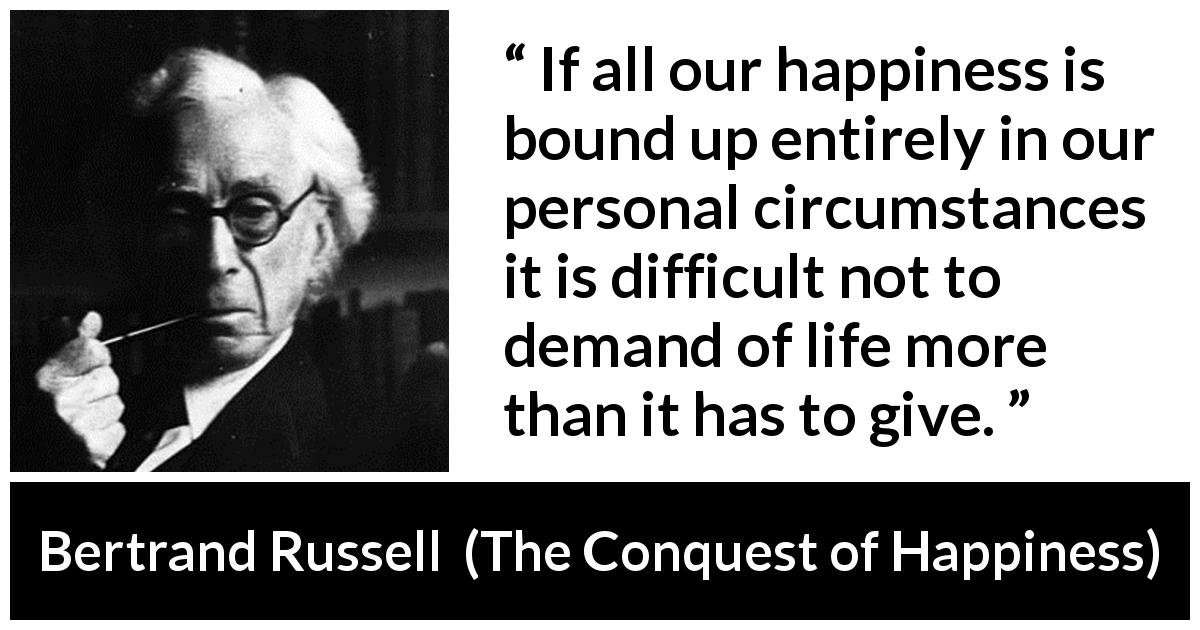
Bertrand Russell’s “The Conquest of Happiness,” published in 1930, stands as a timeless guide to navigating the often treacherous terrain of human emotions. He delves beyond the self-help platitudes of today, urging us to actively “conquer” happiness rather than passively wait for it to arrive.
Understanding the Foes of Joy:
Russell first delves into the root causes of unhappiness, both societal and individual. He criticizes systems that perpetuate war, inequality, and fear, breeding discontent. On the individual level, he identifies “mistaken views of the world” and destructive habits as culprits, urging readers to cultivate a healthy mindset.
Beware of the Byronic Blues:
Russell dissects the “Byronic” individual, prone to self-absorption and melancholy. He challenges the false pride associated with such unhappiness, advocating for embracing joy when circumstances allow. Similarly, he warns against associating with those content in their misery, as their negativity can be contagious.
Unveiling the Sources of Zest:
Shifting gears, Russell illuminates the factors that fuel happiness. He champions “zest,” a thirst for life, urging us to savor daily experiences instead of treating them as chores. He highlights the importance of interests, affection, and a sense of security, particularly within a supportive family.
Work Makes You Happy (Sometimes):
Russell argues that purposeful work, even if mundane, can bring fulfillment. He contrasts this with the ennui of unemployment, reminding us of the value of being a productive member of society.
Leisure Activities: Keys to Relaxation:
Leisure, too, plays a crucial role. Russell encourages exploring “impersonal interests” like reading, games, or theater, offering respite from daily pressures. These pursuits enrich our lives and provide opportunities for joy.
The Art of Conquest and Acceptance:
Central to Russell’s philosophy is the idea that happiness requires effort. He urges us to “conquer” it, actively seeking it out and overcoming obstacles. However, he also recognizes the role of acceptance. When desired forms of happiness are unattainable, wise resignation is key to avoiding frustration and finding joy in what is possible.
Happiness: A Personal Recipe:
Ultimately, Russell emphasizes that happiness is a blend of external circumstances and individual choices. He paints a picture of the happy person: full of affection, curious, zestful, resilient, and free from the shackles of societal expectations. He proposes this not as a rigid doctrine, but as a recipe for self-exploration and individual pursuit of joy.
Russell’s “The Conquest of Happiness” remains a compelling exploration of the human condition. His insights and encouragement to conquer joy, rather than wait for it passively, offer valuable guidance for navigating the complexities of life and forging a path towards personal fulfillment.
Please subscribe to the YouTube channel of republicpolicy.com