
Editorial
The Business leaders in Pakistan are resisting the government’s intent of opening the economy. They want to be protected by the government. They hate competition and want to do business inside the heavy walls of protections of high tarrifs. Consequences are borne by the consumers: we are forced to buy poor-quality cars, clothes, and other items from the domestic market even at the inflated prices. They are scared of opening up the economy; nobody would buy their products if better and cheaper international products come into the market.
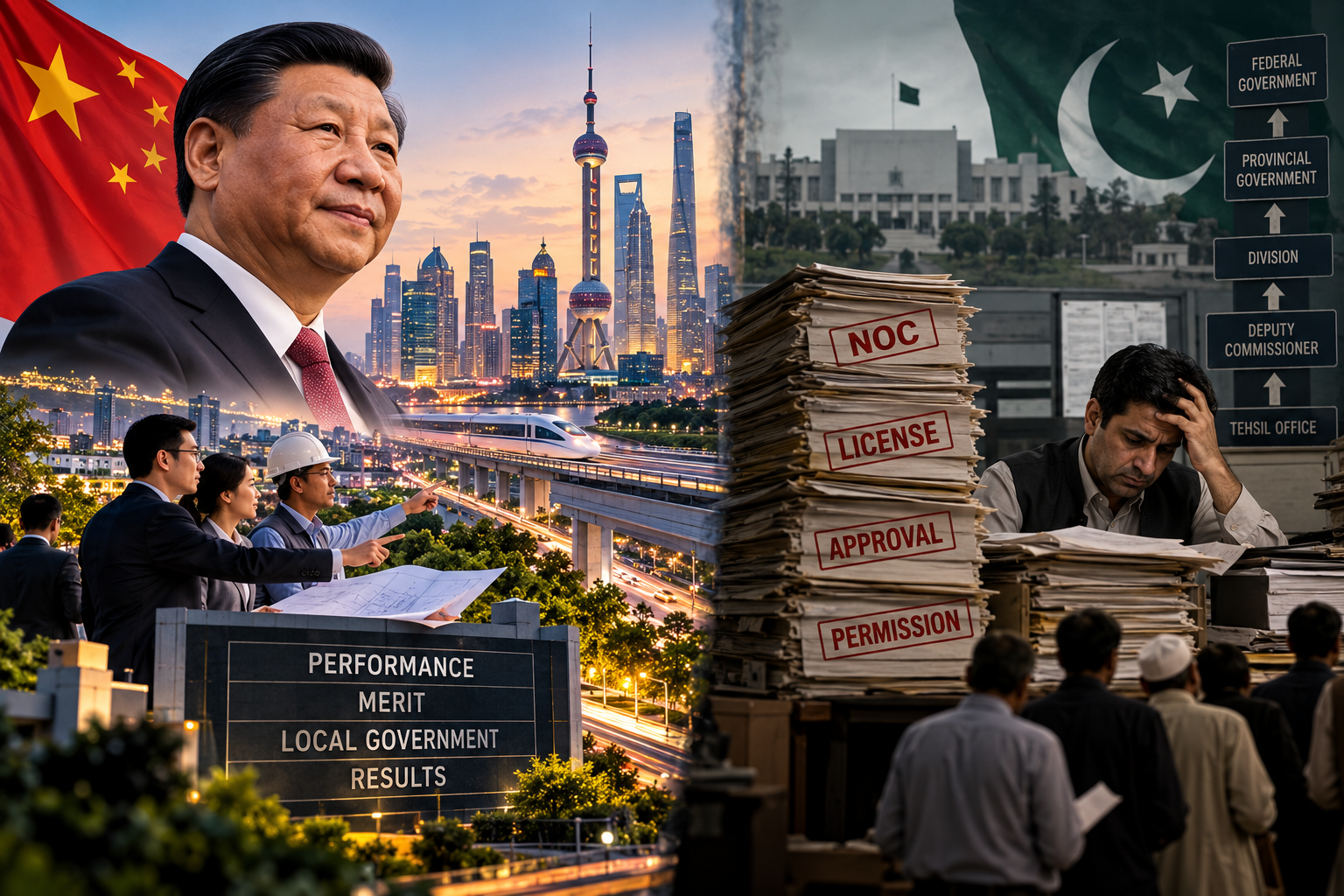
The economy is nothing but a set of transactions. The government’s role is ‘just’ to facilitate these transactions. In the words of Nadeem-ul-Haque, the role of the government should be similar to the role of the umpire. The government’s job is to make the rules and then let the players play. Nobody should be protected. Economic transactions will be blocked by the licenses, permission, and NOCs. Official gatekeeping will be reduced to the minimum level.
But in Pakistan, economic understanding is primitive and stuck in the era of the sixties. Economy growth is measured in hard infrastructure, such as roads, bridges, and flyovers. But the core software of the economy is ignored. However, the latest research on the economy proves that sustainable growth originates from correcting the productivity of the economy.
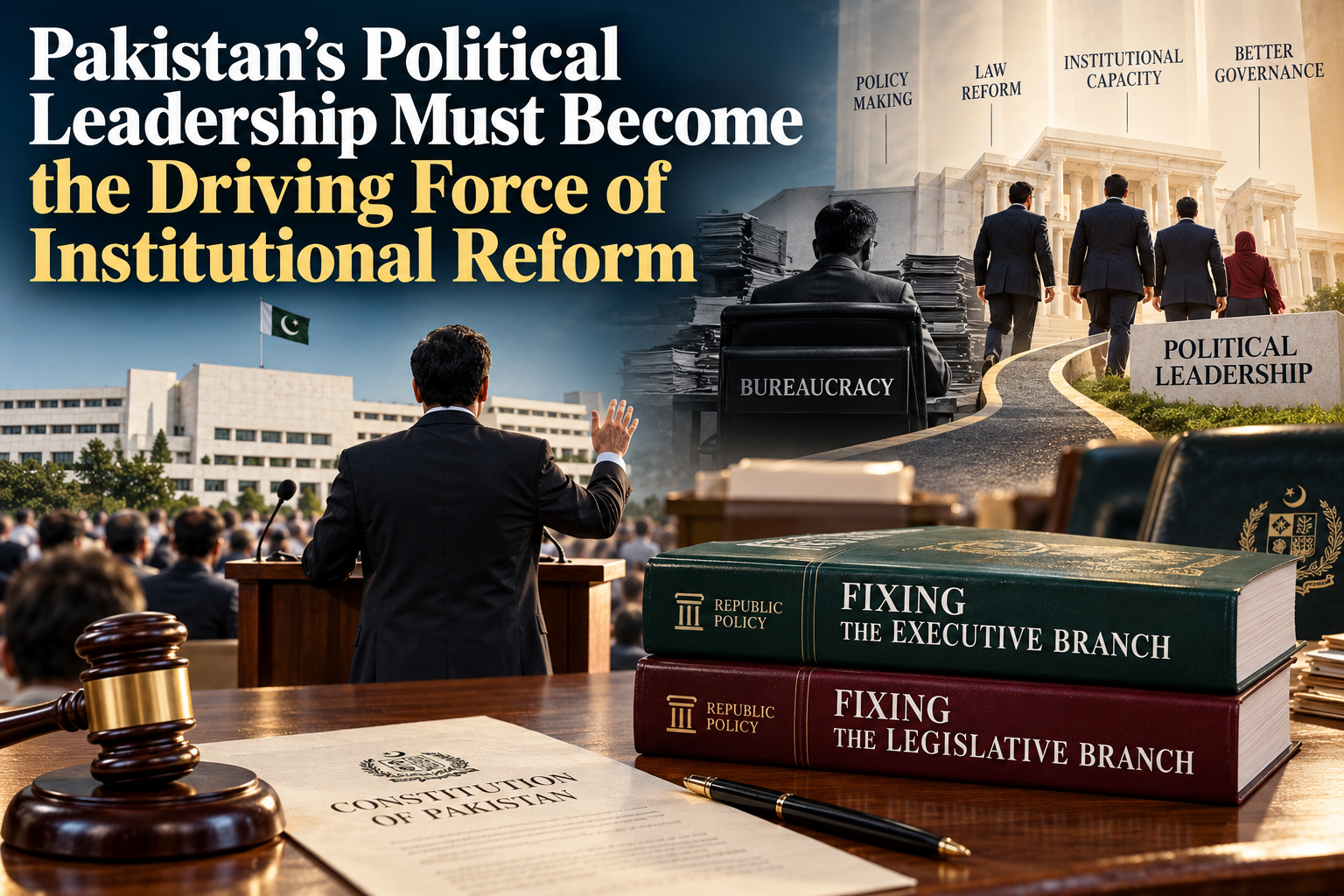
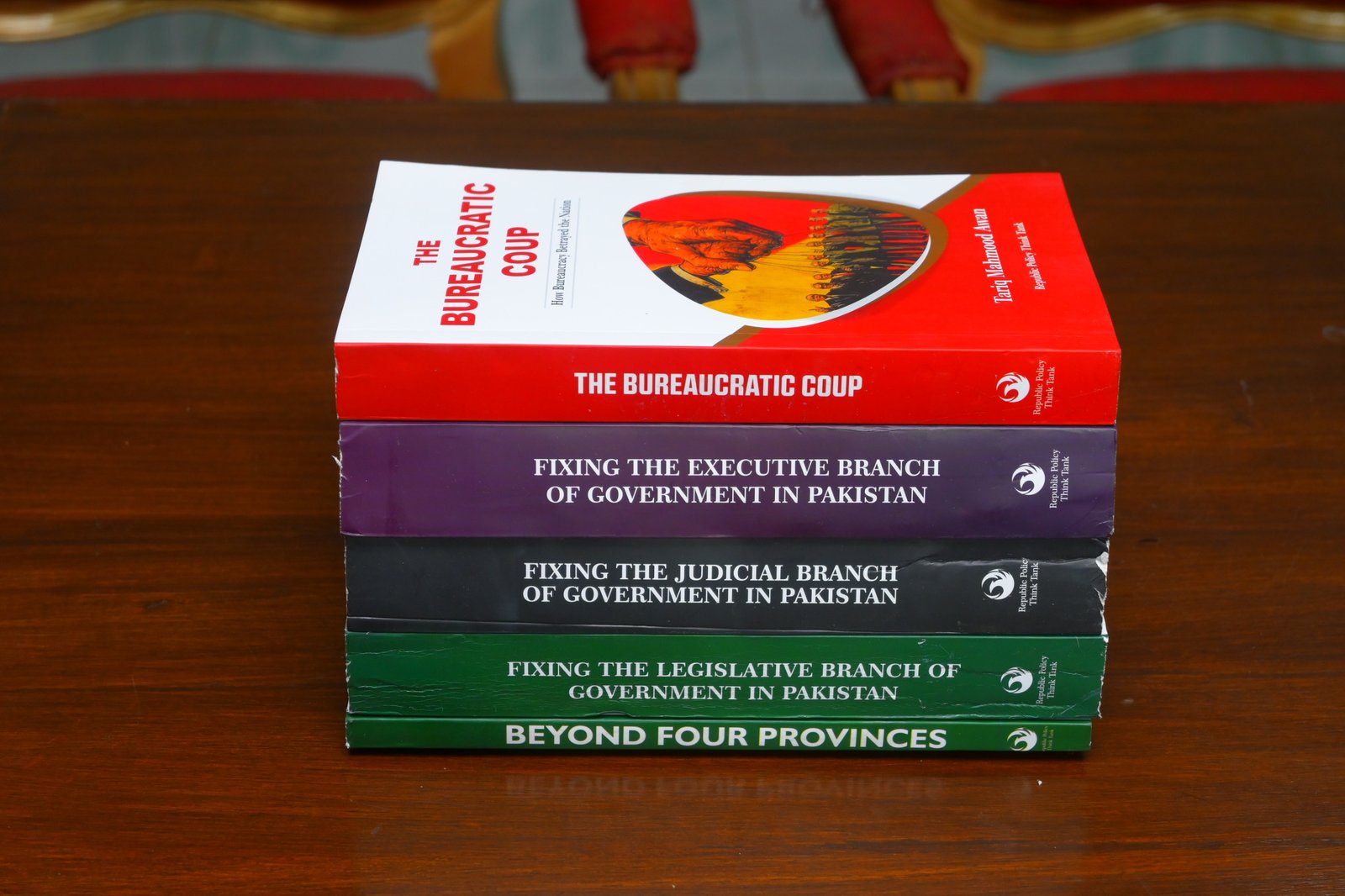
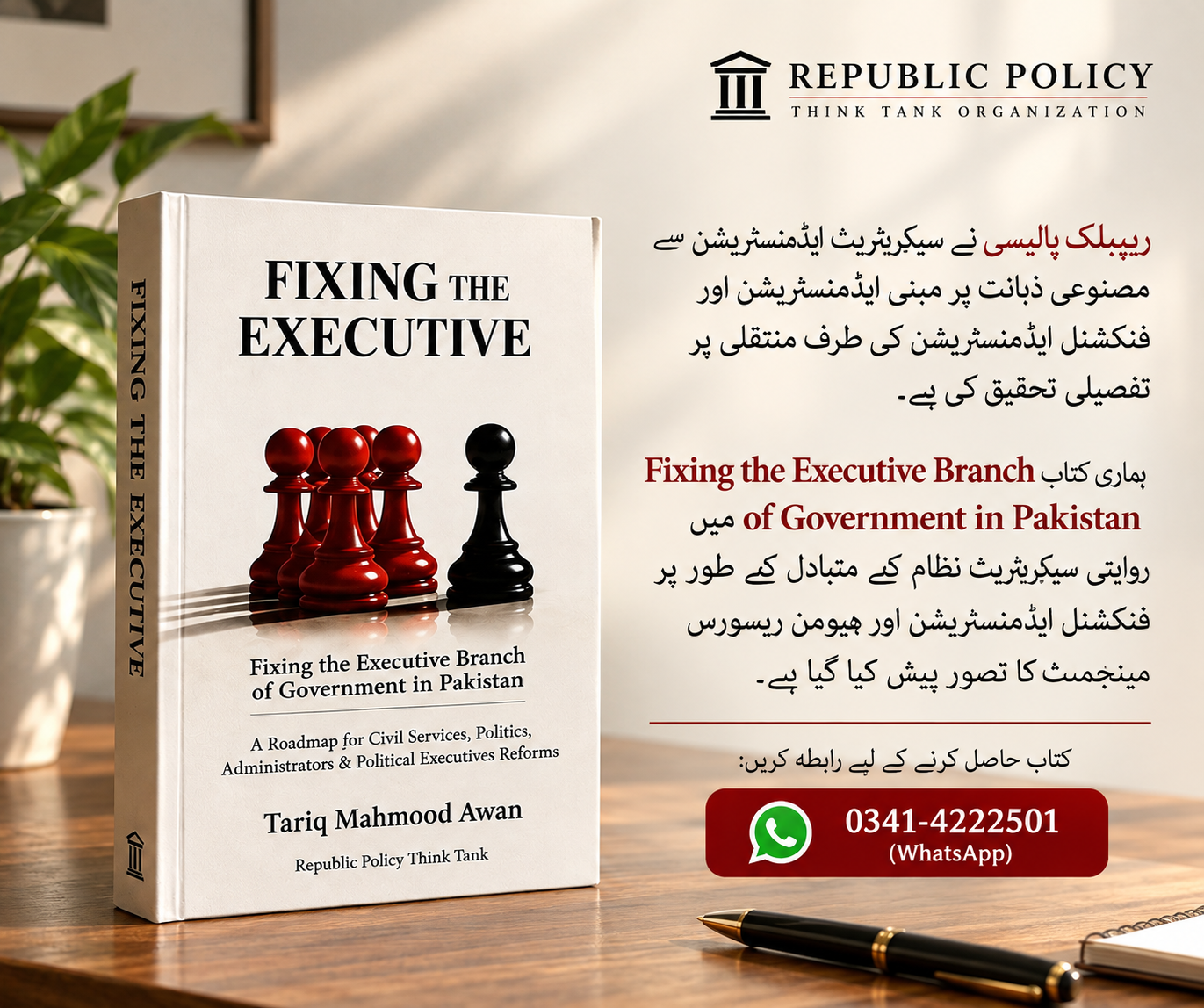
The Republic Policy, in its book, The Bureaucratic Coup, discusses the gatekeeping function of the bureaucracy. A single transaction requires approval from several ministries. It comes with little surprise because the government controls 67% of the economy in Pakistan.
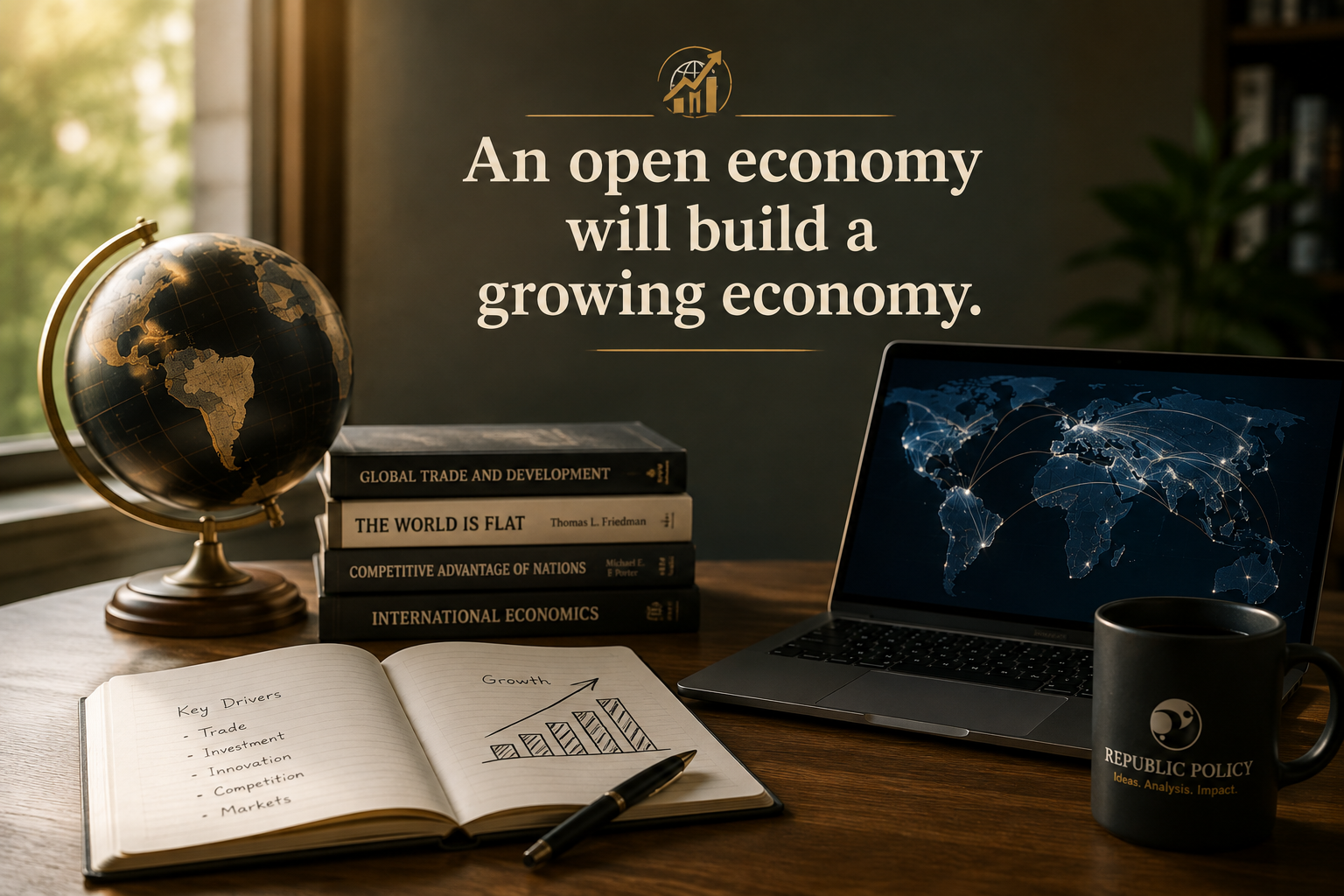
The Republic Policy has been of the view that an open economy will build a growing Economy.
FOR HOME DELIVERY: 0341-4222501