Editorial
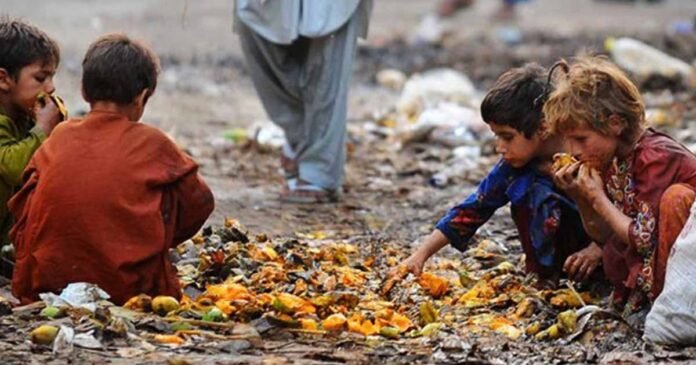
Pakistan faces a nutrition emergency that is no longer a matter of silent suffering in distant villages. It is a measurable, costed, and preventable catastrophe unfolding in plain sight. Forty percent of children under five suffer from stunted growth. More than half of women and children are anaemic. Over ten million children are overweight or obese. These numbers do not describe a developing country managing poverty: they describe a state failing its most fundamental obligation to its citizens.
The fiscal picture is equally damning. Nutrition receives almost no meaningful priority in the federal budget. Financing gaps at provincial levels reach up to seventy-five percent. The annual cost to Pakistan in lost productivity, healthcare expenditure, and wasted human capital approaches seventeen billion dollars. A country that cannot afford to feed its children properly is paying an enormous price for that failure across every sector of its economy.
The policy failures are structural and self-reinforcing. Nutritionists remain absent from primary healthcare. Dietitians have no formal presence in hospitals or research institutions. Policymakers continue to treat nutrition as a welfare concern rather than a driver of national productivity. Prevention efforts routinely begin too late: risk is established by school age, yet interventions targeting adults in their thirties and forties remain the default response. Critically, risk begins before birth. Maternal health, low breastfeeding rates, and newborn weight anomalies all shape the trajectory of childhood obesity and diabetes for decades to come.
The knowledge, the expertise, and the policy frameworks exist. What Pakistan requires is a fundamental shift: from incremental, unaccountable spending toward performance-based budgeting with transparent outcomes, and from treating nutrition as charity toward recognising it as a constitutional duty. Political will, not resources, remains the missing ingredient.