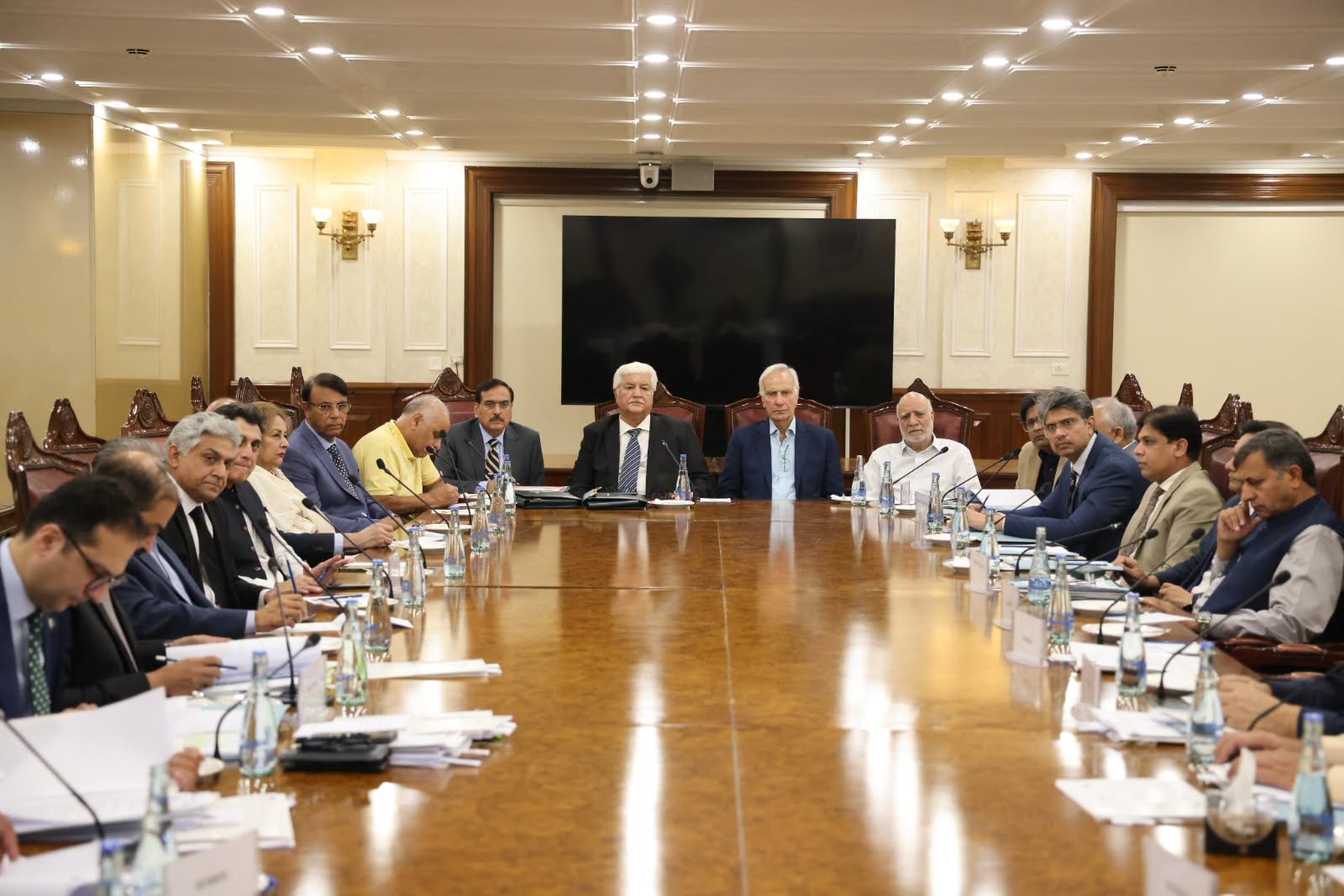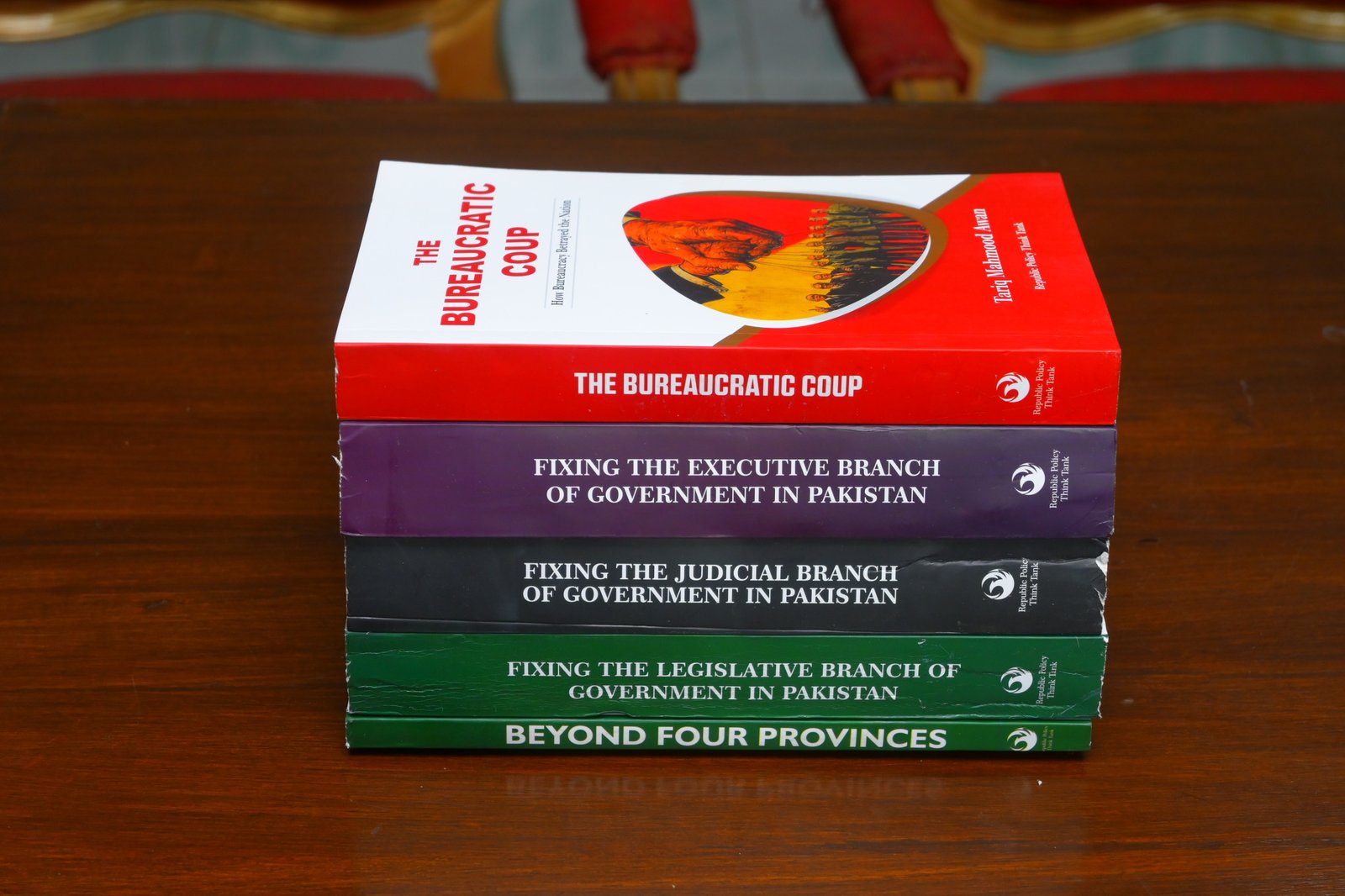

In an era increasingly defined by the frantic cadence of digital consumption, the launch of the National Book Reading Movement at Lahore’s historic Quaid-e-Azam Library marks a vital, long-overdue cultural intervention. Spearheaded via the “Republic Policy” think tank under the direction of Punjab Libraries Director General Kashif Manzoor, the initiative establishes a modest yet profound benchmark: urging every Pakistani citizen to read at least one book a year. While the goal appears deceptively simple, its implications for the nation’s intellectual and civic health are monumental.
A society’s capacity for critical thought, empathy, and structural reform is inherently linked to its reading culture. As the literary theorist Northrop Frye famously observed, “The primary function of art is not to make us admire the art, but to transform the reader.” By encouraging a deliberate return to the printed word, this movement addresses a growing intellectual vacuum in a country where algorithmic noise often eclipses deep, reflective engagement. Prominent voices from literary and policy circles—including former Cabinet Secretary Ahmad Nawaz Sukhera, author Tariq Mahmood Awan, and media leaders—have rightfully recognized that cultivating a “book-friendly culture” is not merely an aesthetic pursuit, but a foundational requirement for robust governance and social cohesion.
Reading serves as the quiet bedrock of democratic maturity. Without sustained textual engagement, public discourse collapses into superficial rhetoric. As the historian Arthur Schlesinger Jr. warned, “A culture defined by snippets and soundbites loses its capacity for complex memory and self-criticism.” The initiative at Bagh-e-Jinnah reminds us that books are not static artifacts of the past, but dynamic instruments of civic renewal. They challenge orthodoxy, expand moral imagination, and equip citizens to navigate an increasingly complex global landscape.
If Pakistan is to foster an informed citizenry capable of driving institutional progress, the National Book Reading Movement must evolve from a ceremonial launch into a sustained nationwide habit. Restoring the centrality of the book is ultimately an act of national self-preservation—a vital step toward building a thoughtful, enlightened society.