
Dr Bilawal Kamran
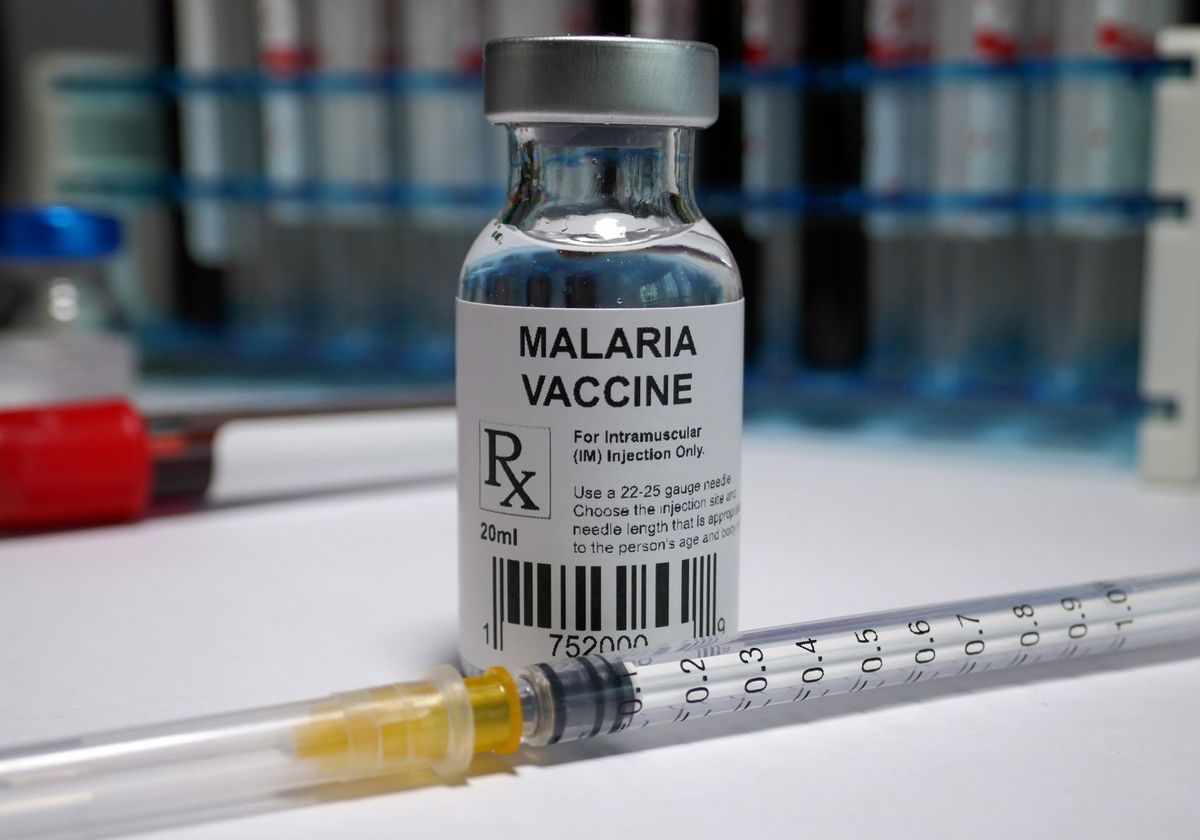
Pakistan has approved its first National Vaccine Policy, and the health ministry is right to call it historic. The country has been running its immunisation programmes for decades without a unified governing framework. The Expanded Programme on Immunisation has delivered vaccines to millions of children, but it operated within a system where production, regulation and financing were never properly aligned under a single national vision. That gap has finally been acknowledged, and the policy represents the first serious attempt to close it.
The significance of this moment should not be understated. Pakistan is one of the most populous countries in the world, with millions of births each year and a routine immunisation schedule that demands a reliable, uninterrupted supply of doses. For most of this country’s history, that supply has depended on imported vaccines and the goodwill of international donors. This dependence is not merely a financial inconvenience. It is a strategic vulnerability. When global supply chains fracture, as they did during the Covid-19 pandemic, countries without domestic production capacity are left exposed, forced to compete in international markets against wealthier nations with far greater purchasing power. Pakistan experienced exactly this exposure, and the lesson should have been absorbed immediately. That it has taken this long to produce a formal policy response is itself a reflection of how slowly institutional learning moves in Islamabad.
The policy’s most consequential ambition is the shift from dependence to self-reliance. By prioritising local vaccine production, the government is making a statement that goes beyond public health. It is recognising vaccines as a matter of national capacity and national security. A country that cannot produce its own vaccines is permanently at the mercy of external suppliers, donor cycles and geopolitical disruptions beyond its control. Local manufacturing, supported by technology transfer agreements and investment in domestic research, would fundamentally alter this equation. It would create a supply chain that is more resilient, more predictable and more responsive to Pakistan’s specific epidemiological needs. It would also, over time, open the possibility of regional exports, transforming Pakistan from a passive recipient of global vaccine supply into an active contributor.
Coordination is the second pillar of the policy’s logic, and it is equally important. Pakistan’s health governance has historically been fragmented. Regulation, procurement and distribution have operated in silos, each answering to different institutional masters, often working at cross purposes. The Drug Regulatory Authority of Pakistan has a mandate over standards, but its interaction with procurement bodies and provincial distribution networks has not always been smooth. A unified national framework, if implemented with genuine commitment, has the potential to bring these actors into coherent alignment. It could establish clear lines of responsibility so that delays and duplication, which have plagued routine immunisation efforts for years, become harder to hide behind institutional confusion.
This coordination matters beyond the routine. Pakistan’s experience with polio eradication, however painfully prolonged, demonstrated what fragmented accountability produces: a programme that works in some districts and collapses in others, where security risks, community resistance and operational failures are met with inadequate institutional response because no single body feels fully responsible. A national vaccine policy with clear governance structures could provide the coordination architecture that future health emergencies will demand. The next pandemic will not wait for bureaucratic clarity to emerge organically.
Yet the approval of a policy document and the construction of the system it envisions are two entirely different undertakings. Pakistan has a well-documented history of ambitious frameworks that lose momentum the moment the announcement cycle ends. The honest assessment of this policy must therefore go beyond welcoming its existence and ask the harder questions it leaves unanswered.
Local vaccine manufacturing requires sustained capital investment, not the kind that appears in a single budget line and disappears in the next round of fiscal consolidation. It requires regulatory credibility that meets international standards, because without WHO prequalification, any domestically produced vaccine will be confined to local use and unable to attract the technology transfer agreements that would make the enterprise viable. It requires a pipeline of trained scientists, quality control specialists and regulatory professionals that Pakistan’s health and pharmaceutical sectors currently lack at the scale required. None of these gaps can be bridged by policy language alone. They require money, time, institutional seriousness and protection from the political disruptions that routinely derail long-term planning in Pakistan.
The approval of the National Vaccine Policy is a genuine step forward, and those who worked to produce it deserve recognition. But a starting point is only as valuable as the journey it initiates. Pakistan’s children, its vulnerable populations and its future generations are not waiting for better policy documents. They are waiting for the reliable protection those documents promise. Turning intent into capacity is the real work. It begins now, and it cannot afford the delays that have defined too much of Pakistan’s public health history.