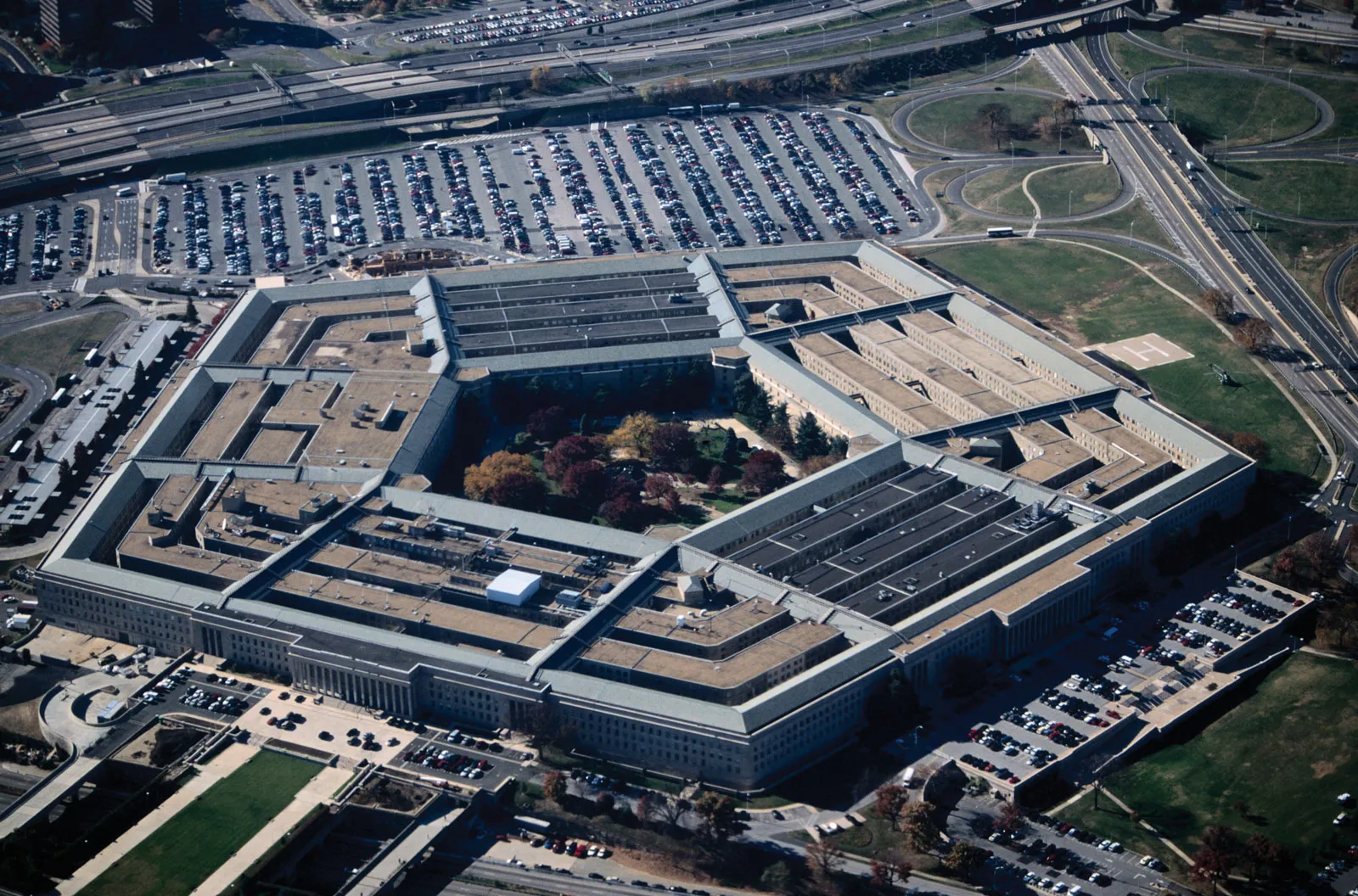

The Pentagon is considering significant changes to the deployment of American forces in Europe and the Middle East as Washington reassesses its military priorities and seeks to direct more resources towards China and the Western Hemisphere.
President Donald Trump’s administration outlined this approach in its National Defence Strategy earlier this year. The strategy calls for European and Middle Eastern allies to assume greater responsibility for their own security, allowing the United States to concentrate more heavily on China and operations closer to home, including its expanding campaign against drug cartels in South America.
The war with Iran has added urgency to discussions about the American military presence in the Gulf. At least 18 US service members have been killed, including six in an Iranian missile attack on Port Shuaiba in Kuwait.
A report by an inspector general examining the war’s costs found that Iranian strikes damaged or destroyed hundreds of buildings and other structures at American military facilities in Kuwait, Bahrain, Qatar, the United Arab Emirates, Saudi Arabia, Iraq, Oman and Jordan.
The report, released this week, also found that Pentagon officials have not decided whether troop deployments and military installations in the region will return to their pre-war levels. Questions remain over the future configuration of American bases and how much allied countries would contribute towards reconstruction costs.
According to The Washington Post, defence officials are examining the possibility of moving some American troops out of the Gulf, where approximately 40,000 US personnel are typically stationed. However, an official told the newspaper that Defence Secretary Pete Hegseth had not yet ordered a formal review of the American military presence in the Middle East.
Meanwhile, CNN reported on Friday that the Pentagon is expected to redeploy MQ-9 Reaper drones from Africa to South America as Washington expands its operations against drug trafficking.
Possible Reduction in US Troops in Europe
A separate review of American military deployments in Europe is already under way. Hegseth announced the six-month assessment in June, placing it under the leadership of Undersecretary of Defence for Policy Elbridge Colby, who has long supported a greater American strategic focus on China.
Reuters reported on Thursday that Pentagon officials are considering withdrawing approximately 25,000 troops from Europe. The United States currently maintains a military presence of about 80,000 personnel across the continent.
Such a reduction could concern European governments and NATO officials amid heightened tensions with Russia.
Reducing American deployments in Europe and the Middle East could make military resources available for other strategic priorities. However, the proposed changes have also raised questions about deterrence in both regions and the reliability of Washington’s security commitments to its allies.
Concerns Over Diplomatic Consultation
Senator Jeanne Shaheen, the senior Democrat on the Senate Foreign Relations Committee, has urged Secretary of State Marco Rubio to ensure that American diplomats are included in the Pentagon’s review of military deployments in Europe.
In a letter sent on Thursday, Shaheen expressed concern that US ambassadors and other senior diplomatic representatives in affected countries were being excluded from consultations.
She argued that the State Department, which manages America’s bilateral relationships, has traditionally played an important role in decisions concerning overseas military deployments.
According to Shaheen, information gathered through discussions with European allies and visits to the region suggests that ambassadors and chiefs of mission have not been adequately involved in the process.
A State Department official disputed that account, maintaining that diplomats were being consulted.
Shaheen warned that changes to troop levels would directly affect diplomatic relationships that the State Department would subsequently be responsible for managing. She identified Estonia, Lithuania and Latvia among the countries with particularly significant interests in the outcome of the review.
European leaders have also expressed concern about security incidents frequently attributed to Russia that fall short of conventional military attacks. These include sabotage, arson and drone incursions, which officials say can undermine European security without triggering a traditional military confrontation.
The Pentagon’s deliberations therefore extend beyond the question of how many troops the United States should maintain overseas. They also concern how Washington intends to balance its changing strategic priorities with existing military partnerships and security commitments.