Khalid Masood Khan
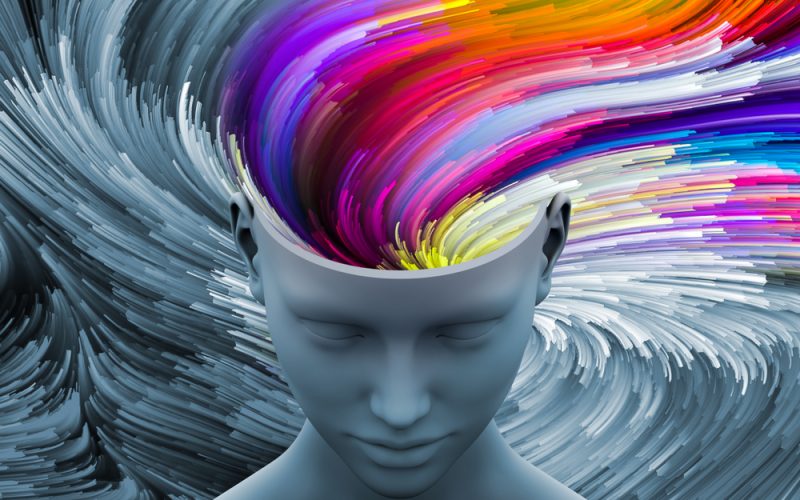
Art is a form of human expression that can enrich the lives of modern professionals in various ways. Art can inspire creativity, foster critical thinking, enhance communication skills, and promote cultural awareness. Here are some paragraphs that critically evaluate the significance of art for modern professionals:
- Art can inspire creativity by exposing professionals to new perspectives, ideas, and possibilities. Creativity is an essential skill for innovation and problem-solving in many fields and industries. By engaging with art, professionals can stimulate their imagination, challenge their assumptions, and explore alternative solutions. For example, an engineer might get inspired by a sculpture that uses unconventional materials or shapes, a marketer might learn from a painting that evokes emotions or narratives, or a lawyer might appreciate a poem that plays with language and logic.
- Art can foster critical thinking by encouraging professionals to analyze, interpret, and evaluate different forms of art. Critical thinking is a vital skill for making informed decisions, assessing evidence, and avoiding biases in many professions. By engaging with art, professionals can develop their analytical, interpretive, and evaluative abilities. For example, a doctor might examine a photograph that depicts a medical condition or a social issue, a teacher might discuss a film that explores a historical or cultural topic, or a journalist might critique a novel that presents a political or ethical argument.
Please, subscribe to the monthly magazines of republicpolicy.com
- Art can enhance communication skills by providing professionals with opportunities to express themselves, listen to others, and collaborate with diverse audiences. Communication skills are crucial for building relationships, sharing information, and resolving conflicts in many workplaces. By engaging with art, professionals can improve their verbal, nonverbal, and interpersonal skills. For example, a manager might present a graphic design that illustrates a vision or a strategy, a therapist might listen to a song that reflects a mood or a feeling, or a diplomat might collaborate with a local artist to create a cultural exchange or a dialogue.
- Art can promote cultural awareness by exposing professionals to different values, beliefs, and practices of various cultures and communities. Cultural awareness is an important skill for respecting diversity, embracing inclusion, and adapting to change in many global and local contexts. By engaging with art, professionals can learn about different cultures and communities, appreciate their similarities and differences, and understand their challenges and opportunities. For example, a businessperson might visit a museum that showcases the art and history of a foreign country, a social worker might attend a performance that celebrates the identity and culture of a marginalized group, or a politician might read a book that addresses the issues and aspirations of a minority community.
Please, subscribe to the YouTube channel of republicpolicy.com