
Dr Shanana Safdar Khan
The hunger crisis the United Nations once treated as a worst-case projection is now arriving in real time. As energy prices climb and trade routes remain disrupted by the Middle East conflict, the World Food Programme is reporting that food is slipping out of reach for millions of people who had nothing to do with the war that produced this outcome.
For months, the WFP’s warnings carried the tone of contingency planning: if the conflict dragged on, if oil prices stayed elevated, if supply chains kept buckling, then tens of millions more people could fall into acute hunger. That conditional language is disappearing. The agency’s latest assessment suggests the scenario long treated as a possibility is now becoming the reality on the ground, particularly for nations already living on the edge of food insecurity, with fragile economies offering little cushion against new shocks.
What makes this warning worth global attention is not simply its scale but what it confirms about the nature of modern conflict. Wars no longer stay contained to their battlefields, if they ever did. Nearly three months into this confrontation, its consequences have migrated far beyond the region, settling into oil markets, shipping lanes, and grocery store shelves on continents that have no stake in the underlying dispute. The closure of the Strait of Hormuz, one of the world’s most consequential maritime chokepoints, has driven up transport and production costs across the globe. Those higher costs have not stayed abstract. They have worked their way into the price of staples like wheat and rice, the foods that low-income households depend on most heavily and can least afford to lose.
This is the pattern the World Food Programme’s assessment captures, and it is a familiar one to anyone who has watched how energy shocks ripple through household economies. Higher energy costs push up food costs. Higher food costs hit hardest in the places with the least capacity to absorb them. What starts as a geopolitical standoff between governments ends up as a kitchen-table crisis for families who never appear in the news coverage of the conflict itself.
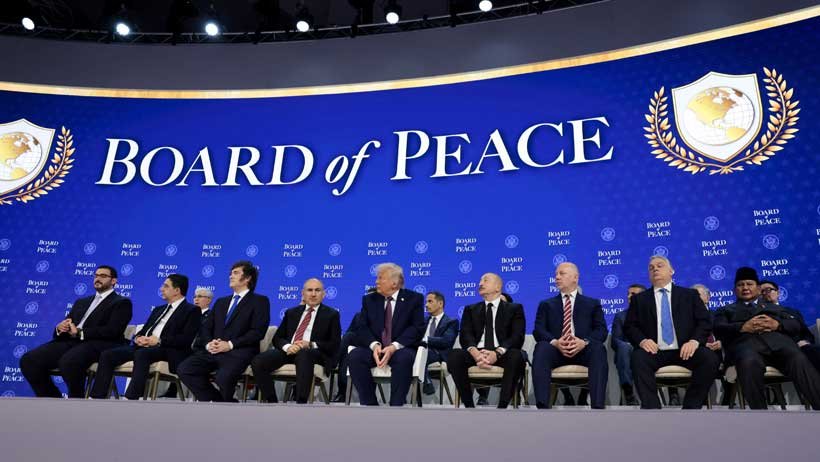
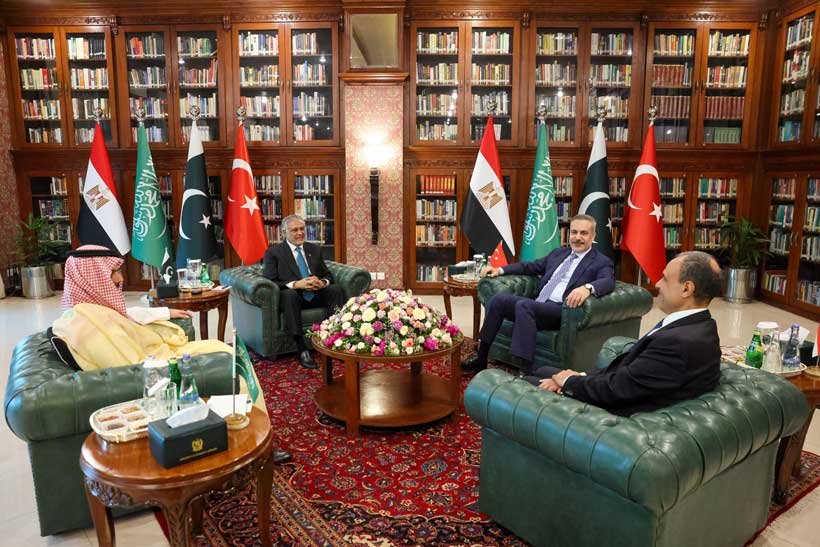
There has been a measure of diplomatic progress worth noting. A memorandum of understanding between Iran and the United States has reportedly been reached, with formal signing expected soon. But a memorandum is not a settlement, and a settlement is not the same as normalcy returning to Gulf shipping lanes. The distance between an agreed framework and a fully binding cessation of hostilities, let alone the restoration of ordinary trade flows through the Gulf, is likely to be measured in months rather than days. Until that gap closes, the United Nations’ warning remains not just relevant but urgent.
The figures attached to this warning are difficult to absorb. Earlier this year, the WFP cautioned that sustained high oil prices could push as many as forty-five million additional people into acute hunger. That is not a marginal adjustment to global poverty statistics. It is a humanitarian event on the scale of a major famine, distributed across dozens of countries simultaneously, and it is now, according to the agency’s own latest read of the data, taking shape in front of us.
Pakistan has particular reason to watch these developments closely, and not as a distant observer. The country has only just begun to climb out of a punishing stretch of inflation that hollowed out household purchasing power, dampened consumer demand, and forced ordinary families into difficult trade-offs between necessities. Considerable policy effort, much of it painful, has gone into restoring a measure of macroeconomic stability and bringing inflation back under control. A fresh surge in global food and energy prices threatens to undo a portion of that hard-won progress before it has had time to take root.
The exposure runs deep because of structural realities that are not easily changed in the short term. Pakistan remains heavily reliant on imported energy, which means shocks to global oil markets do not stay confined to fuel pumps. They move through transport costs, into agricultural input prices, through manufacturing, and finally into the price of food on store shelves, touching nearly every sector of the economy along the way. A conflict thousands of miles away becomes, within a matter of weeks, a domestic economic management problem.
What makes the situation especially frustrating is how foreseeable much of this damage was. International institutions flagged the risk of significant spillover effects from the very start of the conflict, well before the current numbers began to materialise. Yet each opening for de-escalation seems to have given way to renewed tension, further military action, or diplomatic stalemate. The result is a war whose costs are increasingly being paid by populations and economies that had no hand in starting it and no leverage in ending it.
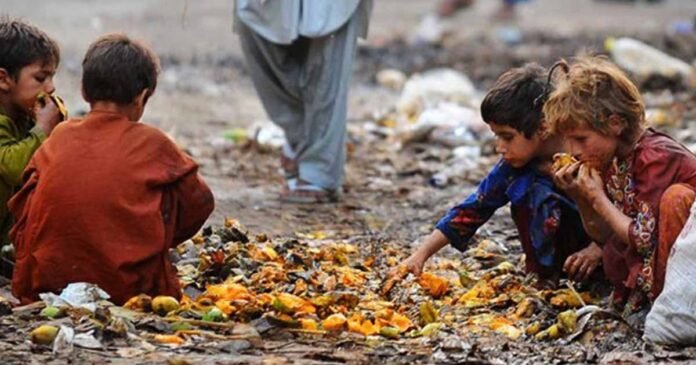
Beneath the economic indicators sits a more disturbing human reality. Hunger is not a line item on a balance sheet. It means parents skipping meals so children can eat, children facing the long-term physical and cognitive effects of malnutrition, and communities growing more vulnerable to instability as deprivation deepens. As is so often the case, the heaviest burden falls on those with the fewest resources to withstand it.
The broader lesson here is not new, but it bears repeating: conflicts in strategically vital regions rarely remain regional. They redraw energy markets, choke off trade corridors, and unsettle economic conditions across the globe, and in a tightly interconnected world economy, those effects travel fast and tend to land first on the people least equipped to handle them.
The United Nations’ latest warning should be read not as another forecast to be filed away, but as confirmation that the broader costs of this conflict have already begun arriving. Every month the instability continues adds to the risk of deeper economic and humanitarian harm. Diplomatic energy now needs to focus, without distraction, on ending the conflict and restoring stability to global energy markets, because the world has already absorbed a heavy price for this war. Letting a preventable hunger crisis deepen further would only add one more avoidable tragedy to a conflict whose costs keep spreading well past the borders where it began.
The best-selling books of Republic Policy Think Tank, including the landmark book The Bureaucratic Coup, are available at Vanguard Books, Liberty Books, Readings, Kitab Sarai, Sang-e-Meel, Saeed Book Stores, and others across Pakistan. Contact for home delivery: 0300 9552542.