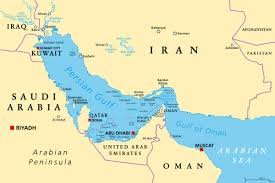

The White House is considering a new proposal from Iran that could ease tensions in the vital Strait of Hormuz, a major global oil route. The plan suggests both countries would immediately lift their blockades—allowing ships to pass freely—while postponing more complicated talks about Iran’s nuclear program and a broader peace agreement.
U.S. Secretary of State Marco Rubio described the offer as an improvement over previous ones but stressed that nuclear concerns remain central to the conflict. He also made clear that the United States would not accept any arrangement where Iran controls access to the strait or imposes fees on international shipping.
Under the proposal, Iran would reopen the waterway in exchange for the U.S. lifting restrictions on its ports. However, it remains unclear whether Iran would still require ships to coordinate with its military or pay for passage.
Meanwhile, diplomatic efforts continue behind the scenes. Iranian Foreign Minister Abbas Araghchi recently met with Russian President Vladimir Putin, who pledged support for peace efforts in the region. Russia has positioned itself as a mediator, though its exact role remains uncertain.
The ongoing standoff has already disrupted global trade, pushing oil prices higher and limiting ship traffic. With tensions also rising in Lebanon and stalled negotiations involving Donald Trump’s administration, a resolution appears uncertain, leaving the global economy on edge.