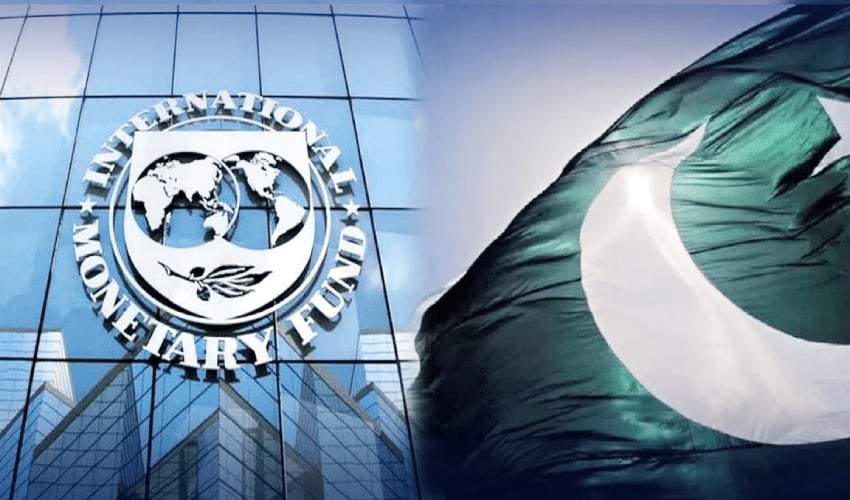

The International Monetary Fund’s Executive Board will convene on December 8 to assess Pakistan’s request for a $1.2 billion disbursement under the Extended Fund Facility and the Resilience and Sustainability Facility. The review follows a staff-level agreement reached in October after extensive negotiations in Karachi, Islamabad, and Washington. Approval would unlock nearly $1 billion under the EFF and $200 million under the RSF.
<br><a href=”http://republicpolicy.com”>Follow republicpolicy.com</a>
IMF Deputy Managing Director Bo Li endorsed Pakistan’s reform direction, calling the country “on the right path of reform and resilience.” He noted that the RSF, alongside the $7 billion stabilisation programme, would help strengthen Pakistan’s fiscal and financial resilience against climate risks.
<br><a href=”https://www.youtube.com/@TheRepublicPolicy”>Follow Republic Policy YouTube</a>
The IMF said Pakistan has improved fiscal discipline, reduced inflation, and begun rebuilding external buffers but warned that risks remain due to flood losses and stressed the need for tight, data-based monetary policy. The review also follows the release of the IMF’s Governance and Corruption Diagnostic, which identified systemic gaps and said Pakistan could boost growth significantly by implementing its 15-point reform plan.
<br><a href=”https://x.com/republicpolicy”>Follow Republic Policy on X</a>
Opposition leaders and Khyber Pakhtunkhwa Chief Minister Mohammad Sohail Afridi have demanded accountability after the report raised concerns about governance failures. Finance Minister Muhammad Aurangzeb said the findings should accelerate overdue reforms. If approved, the disbursement may be released immediately to support Pakistan’s external buffers.
<br><a href=”https://facebook.com/republicpolicy”>Follow Republic Policy Facebook</a>