
Fajer Rehman
Pakistan’s Moment: How Islamabad Became the Unlikely Bridge Between Washington and Tehran
In the long and turbulent history of Pakistani diplomacy, few moments have carried the weight of what is now unfolding. Islamabad has stepped into one of the most dangerous conflicts of the present era, positioning itself as the principal intermediary between the United States and Iran in an effort to bring indirect talks to the table and prevent a regional war from spiralling beyond recovery. It is a role that few nations could credibly claim, and fewer still could sustain. Pakistan, for a convergence of historical, geographic, and relational reasons, finds itself uniquely placed to try.
Foreign Minister Ishaq Dar confirmed the arrangement publicly on Thursday, stating plainly that indirect talks between Washington and Tehran were taking place through messages being relayed by Pakistan. That confirmation, offered without diplomatic circumlocution, was itself a significant moment. It signalled that Islamabad was not merely offering quiet back-channel goodwill but had assumed an active and structured function in keeping lines of communication open between two parties who have no direct channel of their own. The acknowledgment also carried a note of quiet confidence. Pakistan was not apologising for its involvement or hedging its language. It was asserting its relevance.
That relevance rests on a foundation built over decades. Pakistan shares a nine-hundred-kilometre border with Iran in its southwestern reaches, and the relationship between the two countries is not merely geographical. Iran was the first nation to recognise Pakistan after independence in 1947, a gesture of solidarity that Islamabad did not forget. When Iran transformed itself through the 1979 revolution and most of the Western world grew cold toward the new Islamic republic, Pakistan stood by the relationship. The two countries cooperated during the Soviet occupation of Afghanistan, sharing strategic interests that cut across ideological differences. Pakistan is home to the world’s second-largest Shia Muslim population after Iran itself, a demographic reality that gives the bilateral relationship a texture no formal treaty could fully capture. And in Washington, where Iran has maintained no embassy, Pakistan quietly represents some of Tehran’s diplomatic interests, a function that in the current moment has acquired an outsized strategic value.
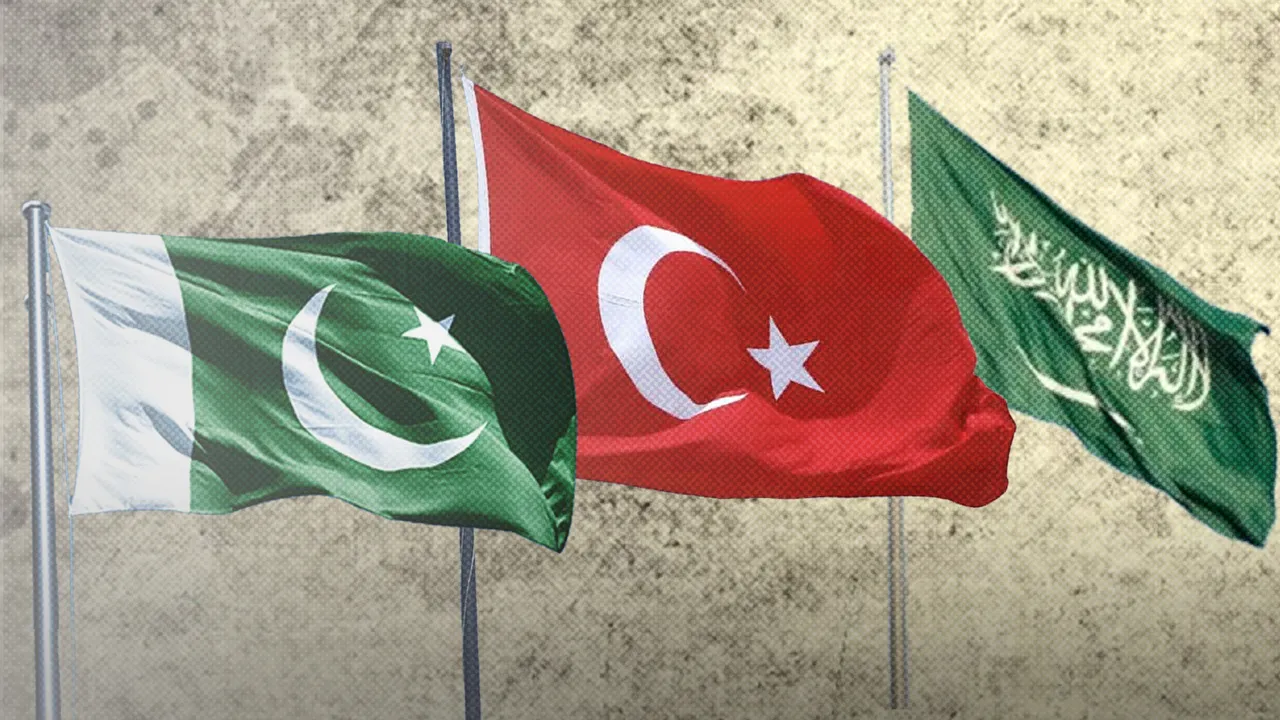
Asif Durrani, Pakistan’s former ambassador to Tehran, articulated the country’s positioning with precision. Pakistan, he noted, enjoys good relations with both the United States and Iran simultaneously, a distinction that places it in a category of its own within the region. He added that Pakistan concurrently maintains strategic relationships with Saudi Arabia, the Gulf states, and Turkey, a web of connections that gives Islamabad the diplomatic reach to speak meaningfully to all parties with a stake in the outcome of this conflict.
Prime Minister Shehbaz Sharif and Foreign Minister Dar have both been actively engaged, holding conversations with senior Iranian government officials and regional leaders in a sustained effort to keep dialogue alive. Sharif condemned the US-Israeli strikes that killed Iran’s Supreme Leader, Ayatollah Ali Khamenei, and he equally condemned Tehran’s retaliatory strikes against its neighbours. That symmetry was deliberate. Pakistan’s official position has been one of consistent neutrality, refusing to assign moral hierarchy to the violence on either side while pressing all parties toward dialogue. The foreign ministry’s spokesman, Tahir Hussain Andrabi, summarised the stance clearly: Pakistan has consistently advocated for dialogue and diplomacy as the path to peace and stability in the region. The language is measured, but the commitment behind it appears genuine.
On the American side, the relationship has a different and more complicated texture. Pakistan’s army chief, Field Marshal Asim Munir, has cultivated a personal rapport with President Donald Trump and spoke with him directly last Sunday. Sharif praised Trump’s intervention as bold and visionary, while Munir went further, suggesting the American president deserved the Nobel Peace Prize for preventing escalation between nuclear-armed neighbours. The language was warm to the point of being effusive, and critics will note its transactional undertones. But in diplomacy, tone is often the message, and Pakistan’s public posture toward Washington serves a clear strategic purpose: to keep the Americans engaged, receptive, and willing to use Pakistan as a conduit rather than bypass it.
Trump’s own comments were revealing. He observed that Pakistan understands Iran better than most, and he shared Prime Minister Sharif’s post on social media indicating that Pakistan was ready to host talks to end the conflict. That kind of public endorsement from a sitting American president, regardless of its rhetorical character, lends Pakistan’s mediating role a legitimacy that would otherwise be difficult to establish.
The history between Pakistan and the United States is layered with both partnership and grievance. As a non-NATO ally during the post-September 11 war on terror, Pakistan faced persistent American accusations of harbouring militants who were attacking coalition forces across the border in Afghanistan. Relations reached their lowest point in 2011 when US special forces killed Osama bin Laden on Pakistani soil without informing Islamabad, and Pakistan found itself simultaneously accused of complicity in sheltering him. That history has not been erased, but both sides have found reasons to work together again, and the current crisis appears to be one of them.
Pakistan’s relationship with Saudi Arabia adds another dimension to its mediating position. The two countries signed a strategic mutual defence agreement in 2025, and Sharif recently visited Riyadh for direct talks with Crown Prince Mohammed bin Salman. Keeping Saudi Arabia informed and on side is not peripheral to Pakistan’s mediation effort: it is central to it. Any resolution of the Gulf conflict will require Riyadh’s acquiescence, and Pakistan’s ability to speak to the Saudis with credibility strengthens its hand across the board.
The motivation is not purely altruistic. Pakistan depends on oil and gas imports flowing through the Strait of Hormuz, and any prolonged disruption to that passage would drive up fuel costs, deepen an already stressed economy, and force further austerity on a population that has little remaining capacity to absorb it. Michael Kugelman, a respected South Asia analyst, captured the logic simply: Pakistan, sitting on the war’s doorstep, would clearly prefer to help end the conflict rather than be dragged into it.
That is the calculation driving Islamabad’s diplomacy. Peace serves Pakistan’s economy, its security, and its standing in the world. For once, strategic interest and moral purpose are pointing in the same direction.
In the long and turbulent history of Pakistani diplomacy, few moments have carried the weight of what is now unfolding. Islamabad has stepped into one of the most dangerous conflicts of the present era, positioning itself as the principal intermediary between the United States and Iran in an effort to bring indirect talks to the table and prevent a regional war from spiralling beyond recovery. It is a role that few nations could credibly claim, and fewer still could sustain. Pakistan, for a convergence of historical, geographic, and relational reasons, finds itself uniquely placed to try.
Foreign Minister Ishaq Dar confirmed the arrangement publicly on Thursday, stating plainly that indirect talks between Washington and Tehran were taking place through messages being relayed by Pakistan. That confirmation, offered without diplomatic circumlocution, was itself a significant moment. It signalled that Islamabad was not merely offering quiet back-channel goodwill but had assumed an active and structured function in keeping lines of communication open between two parties who have no direct channel of their own. The acknowledgment also carried a note of quiet confidence. Pakistan was not apologising for its involvement or hedging its language. It was asserting its relevance.
That relevance rests on a foundation built over decades. Pakistan shares a nine-hundred-kilometre border with Iran in its southwestern reaches, and the relationship between the two countries is not merely geographical. Iran was the first nation to recognise Pakistan after independence in 1947, a gesture of solidarity that Islamabad did not forget. When Iran transformed itself through the 1979 revolution and most of the Western world grew cold toward the new Islamic republic, Pakistan stood by the relationship. The two countries cooperated during the Soviet occupation of Afghanistan, sharing strategic interests that cut across ideological differences. Pakistan is home to the world’s second-largest Shia Muslim population after Iran itself, a demographic reality that gives the bilateral relationship a texture no formal treaty could fully capture. And in Washington, where Iran has maintained no embassy, Pakistan quietly represents some of Tehran’s diplomatic interests, a function that in the current moment has acquired an outsized strategic value.
Asif Durrani, Pakistan’s former ambassador to Tehran, articulated the country’s positioning with precision. Pakistan, he noted, enjoys good relations with both the United States and Iran simultaneously, a distinction that places it in a category of its own within the region. He added that Pakistan concurrently maintains strategic relationships with Saudi Arabia, the Gulf states, and Turkey, a web of connections that gives Islamabad the diplomatic reach to speak meaningfully to all parties with a stake in the outcome of this conflict.
Prime Minister Shehbaz Sharif and Foreign Minister Dar have both been actively engaged, holding conversations with senior Iranian government officials and regional leaders in a sustained effort to keep dialogue alive. Sharif condemned the US-Israeli strikes that killed Iran’s Supreme Leader, Ayatollah Ali Khamenei, and he equally condemned Tehran’s retaliatory strikes against its neighbours. That symmetry was deliberate. Pakistan’s official position has been one of consistent neutrality, refusing to assign moral hierarchy to the violence on either side while pressing all parties toward dialogue. The foreign ministry’s spokesman, Tahir Hussain Andrabi, summarised the stance clearly: Pakistan has consistently advocated for dialogue and diplomacy as the path to peace and stability in the region. The language is measured, but the commitment behind it appears genuine.
On the American side, the relationship has a different and more complicated texture. Pakistan’s army chief, Field Marshal Asim Munir, has cultivated a personal rapport with President Donald Trump and spoke with him directly last Sunday. Sharif praised Trump’s intervention as bold and visionary, while Munir went further, suggesting the American president deserved the Nobel Peace Prize for preventing escalation between nuclear-armed neighbours. The language was warm to the point of being effusive, and critics will note its transactional undertones. But in diplomacy, tone is often the message, and Pakistan’s public posture toward Washington serves a clear strategic purpose: to keep the Americans engaged, receptive, and willing to use Pakistan as a conduit rather than bypass it.
Trump’s own comments were revealing. He observed that Pakistan understands Iran better than most, and he shared Prime Minister Sharif’s post on social media indicating that Pakistan was ready to host talks to end the conflict. That kind of public endorsement from a sitting American president, regardless of its rhetorical character, lends Pakistan’s mediating role a legitimacy that would otherwise be difficult to establish.
The history between Pakistan and the United States is layered with both partnership and grievance. As a non-NATO ally during the post-September 11 war on terror, Pakistan faced persistent American accusations of harbouring militants who were attacking coalition forces across the border in Afghanistan. Relations reached their lowest point in 2011 when US special forces killed Osama bin Laden on Pakistani soil without informing Islamabad, and Pakistan found itself simultaneously accused of complicity in sheltering him. That history has not been erased, but both sides have found reasons to work together again, and the current crisis appears to be one of them.
Pakistan’s relationship with Saudi Arabia adds another dimension to its mediating position. The two countries signed a strategic mutual defence agreement in 2025, and Sharif recently visited Riyadh for direct talks with Crown Prince Mohammed bin Salman. Keeping Saudi Arabia informed and on side is not peripheral to Pakistan’s mediation effort: it is central to it. Any resolution of the Gulf conflict will require Riyadh’s acquiescence, and Pakistan’s ability to speak to the Saudis with credibility strengthens its hand across the board.
The motivation is not purely altruistic. Pakistan depends on oil and gas imports flowing through the Strait of Hormuz, and any prolonged disruption to that passage would drive up fuel costs, deepen an already stressed economy, and force further austerity on a population that has little remaining capacity to absorb it. Michael Kugelman, a respected South Asia analyst, captured the logic simply: Pakistan, sitting on the war’s doorstep, would clearly prefer to help end the conflict rather than be dragged into it.
That is the calculation driving Islamabad’s diplomacy. Peace serves Pakistan’s economy, its security, and its standing in the world. For once, strategic interest and moral purpose are pointing in the same direction.