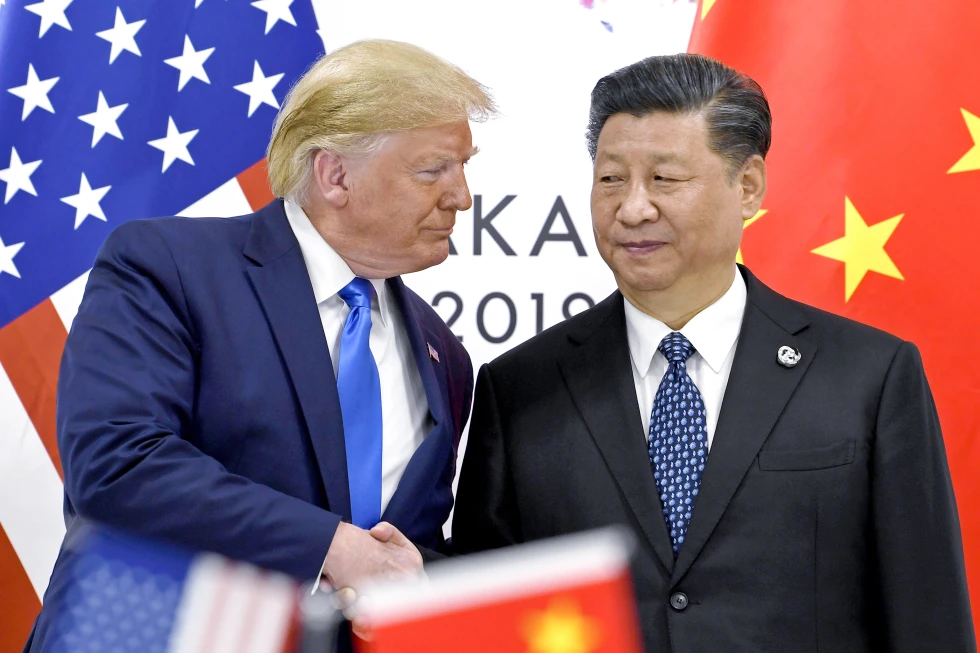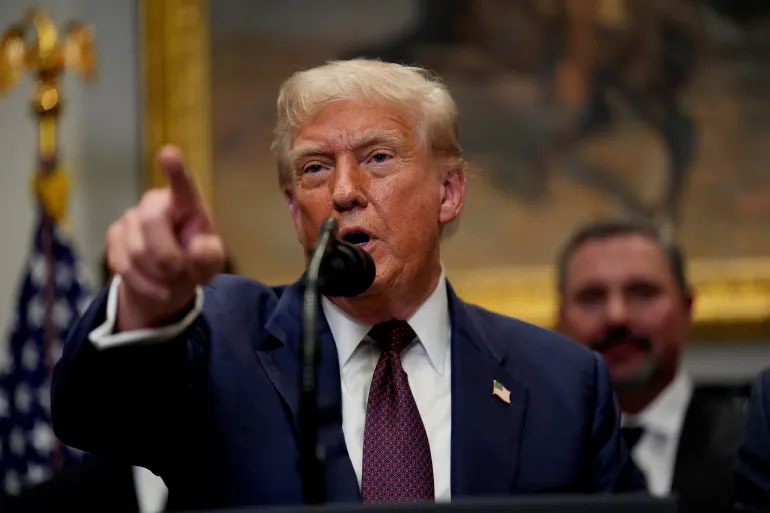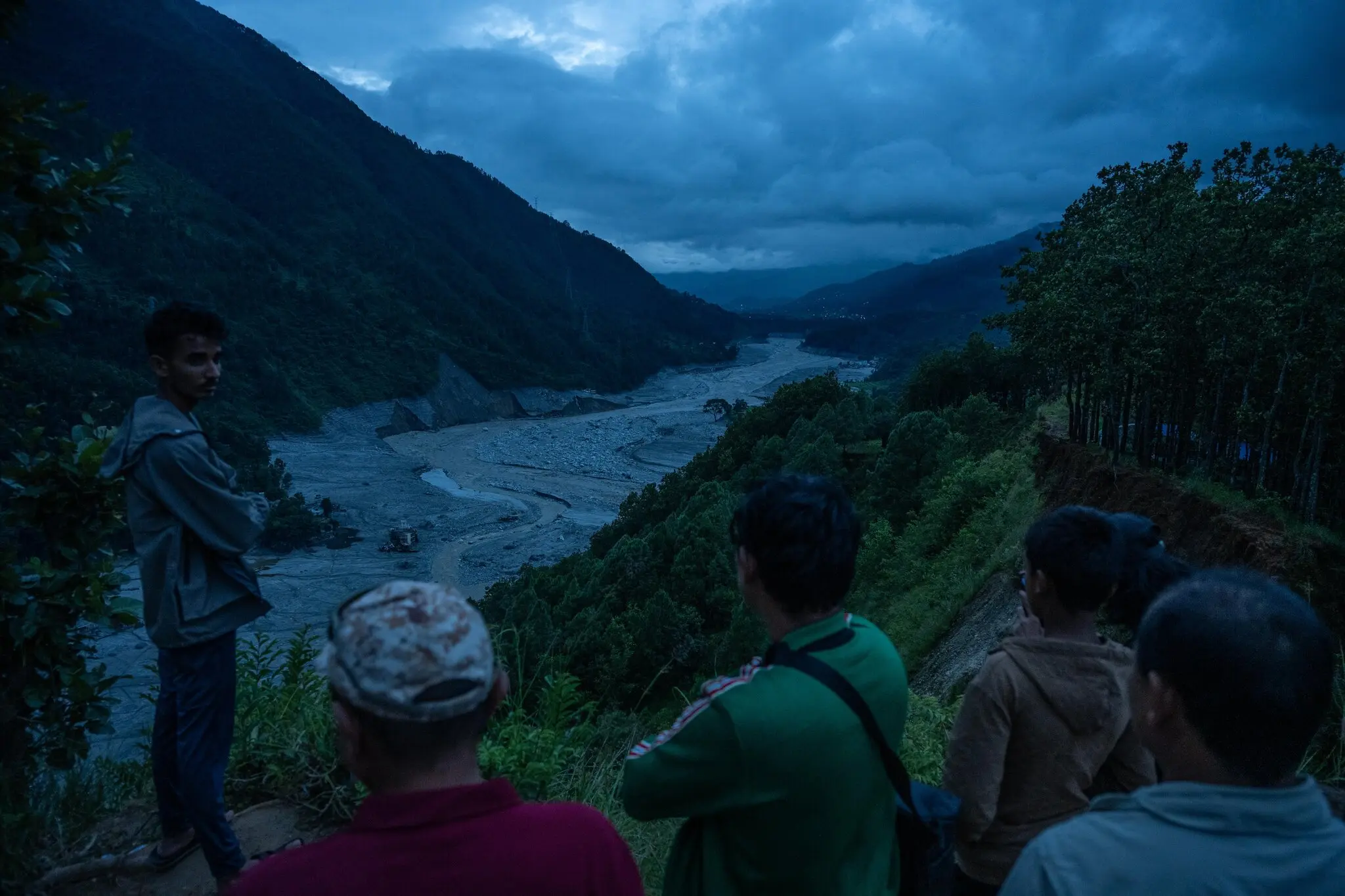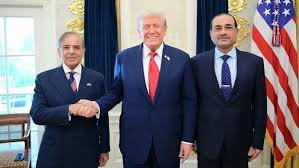

In times of geopolitical uncertainty, countries like Pakistan often find themselves navigating a complex web of expectations, pressures, and strategic choices. The ongoing tensions involving Iran, the United States, and Israel have once again brought Pakistan into focus — not as a direct participant, but as a state whose position carries weight.
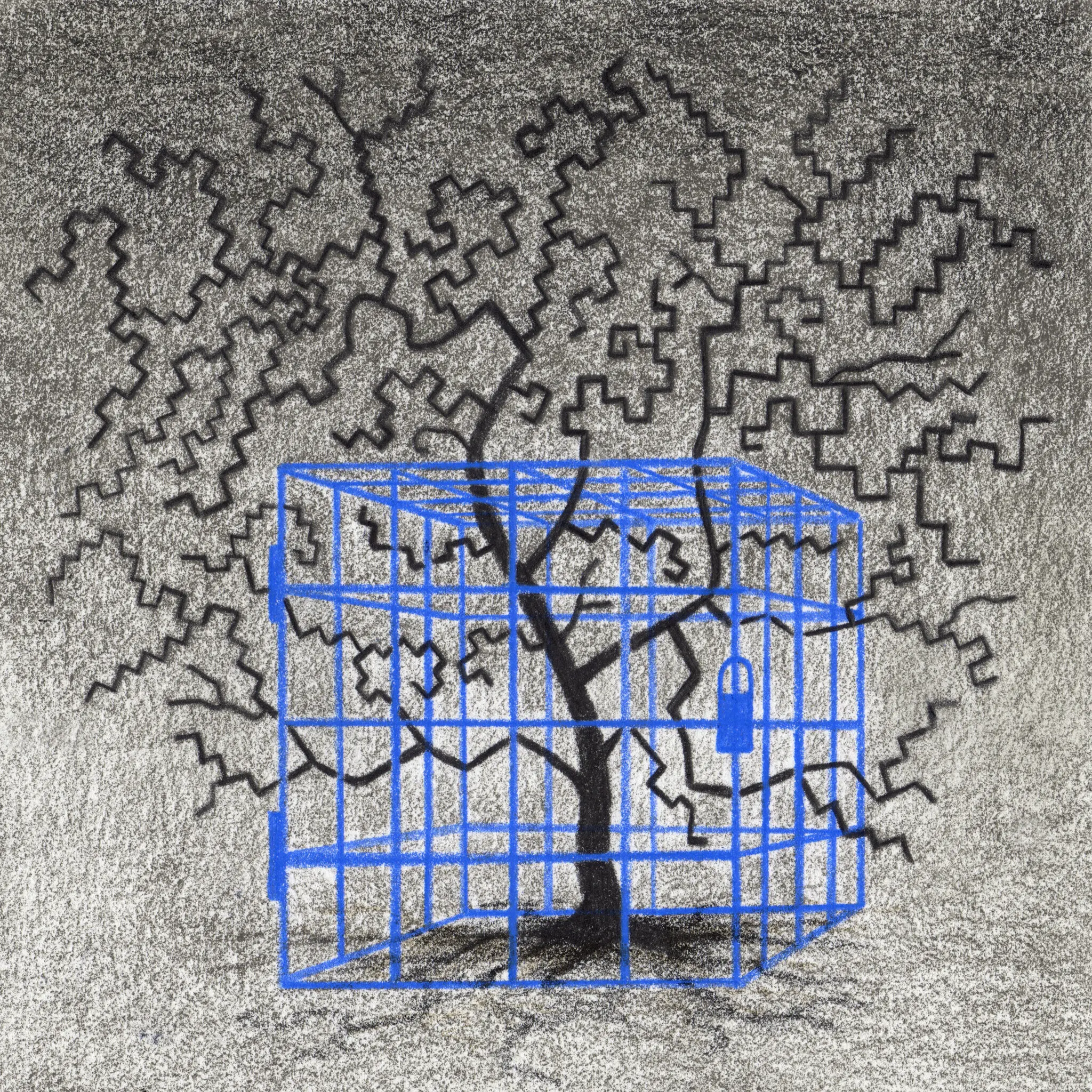
Pakistan’s approach has largely been one of measured diplomacy. It has avoided overt alignment while signaling support for de-escalation and dialogue. At first glance, this appears to be a pragmatic strategy — maintaining neutrality while protecting national interests. However, neutrality in today’s geopolitical landscape is no longer a passive position; it is an active and often difficult choice.
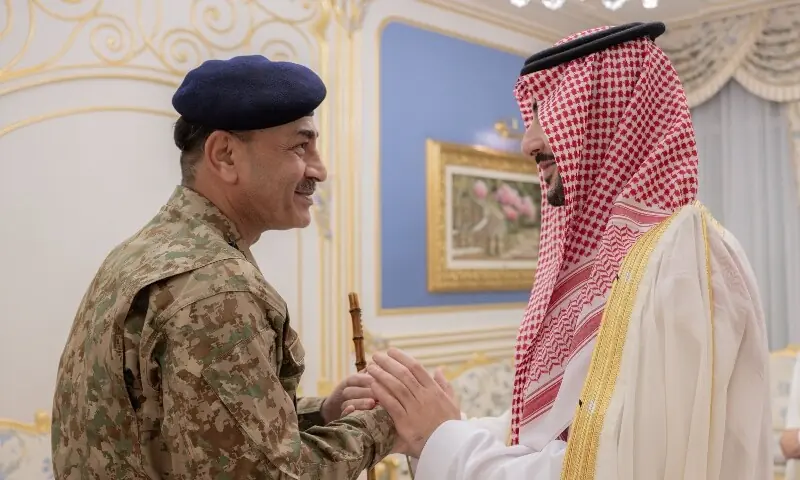
The challenge lies in balancing competing relationships. Pakistan’s historical ties with Iran, its strategic considerations with Gulf countries, and its broader engagement with global powers create a situation where every diplomatic move is closely scrutinized. In such an environment, even silence can be interpreted as a position.
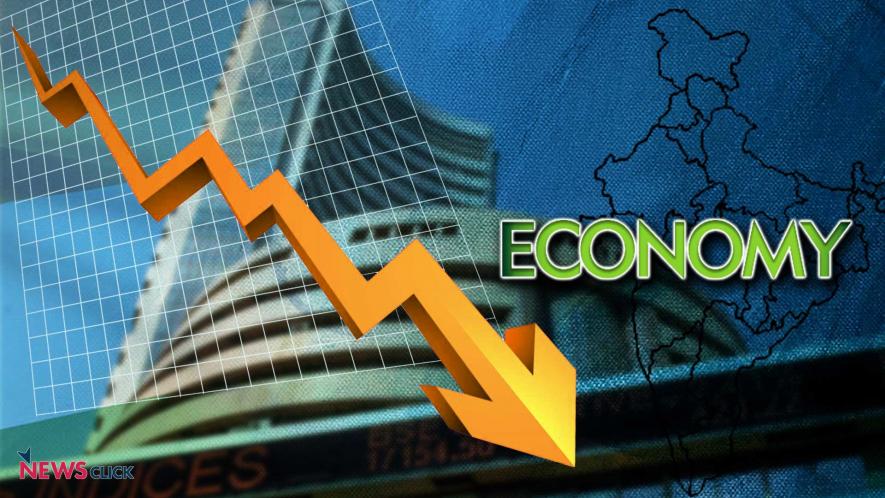
What complicates matters further is the internal dimension. Pakistan’s economic vulnerabilities limit its strategic flexibility. When a country is under financial pressure, its foreign policy space often narrows, making it harder to pursue independent positions without external implications.
At the same time, there is an opportunity. In moments of heightened tension, states that can maintain credibility with multiple sides often emerge as potential mediators. Pakistan’s consistent emphasis on dialogue and regional stability places it in such a position — but only if it can sustain a clear, consistent, and credible policy line.
The real question, however, is not whether Pakistan can act as a mediator, but whether it can do so effectively. Mediation requires more than intent; it requires trust from all parties, diplomatic capital, and the ability to influence outcomes. Without these, the role risks becoming symbolic rather than impactful.
Ultimately, Pakistan’s position reflects a broader shift in global politics. Power is no longer defined solely by military or economic strength, but by the ability to navigate complexity, manage relationships, and maintain strategic clarity under pressure.
In this evolving landscape, Pakistan’s choices will not just shape its foreign policy — they will define its relevance in a rapidly changing regional order.