
Editorial
The war between the United States and Iran has entered its most dangerous phase, and the world is watching a diplomatic game of nerves with genuinely catastrophic stakes.
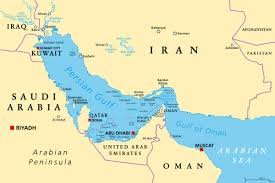
Four weeks have passed since Washington and Tel Aviv suspended their bombing campaign against Iran. No peace has followed. What has followed is a naval standoff in the Strait of Hormuz that has strangled a fifth of the world’s oil and gas supplies, rattled global markets and pushed American fuel prices to levels that are beginning to cost Donald Trump politically at home.
Iran has made its move. A fourteen-point proposal, conveyed through mediators including Pakistan, has landed on Washington’s table. Its logic is a deliberate sequencing: end the blockade, guarantee against further Israeli and American strikes, reopen the strait, and defer the harder nuclear question to later negotiations. Tehran believes this constitutes a significant concession, separating the immediate humanitarian and economic crisis from the deeper ideological conflict over enrichment rights. Washington disagrees, or at least Trump does, publicly dismissing the proposal as insufficient while privately awaiting its exact wording.
Trump’s position is a contradiction in plain sight. He calls his own navy “pirates,” acknowledges he does not prefer the military path, yet refuses terms that would immediately relieve the global energy chokehold his own voters are suffering under. November’s midterm elections are concentrating minds in Washington far more than any principle of non-proliferation.
Meanwhile, Iran’s Revolutionary Guards are not speaking softly. “Surprise measures beyond imagination” is not the language of a state preparing to surrender. It is the language of a state that has calculated, perhaps correctly, that America cannot win a war it has already described as impossible.
The room for error is shrinking. The cost of miscalculation is borne not in Washington or Tehran, but everywhere else.