Editorial
Pakistan’s diplomatic ambitions are running ahead of its domestic realities. Yes, mediation has value. Yes, building an international image matters. But a country that cannot govern itself cannot lead others. Foreign policy is ultimately a projection of national power, and national power begins at home.
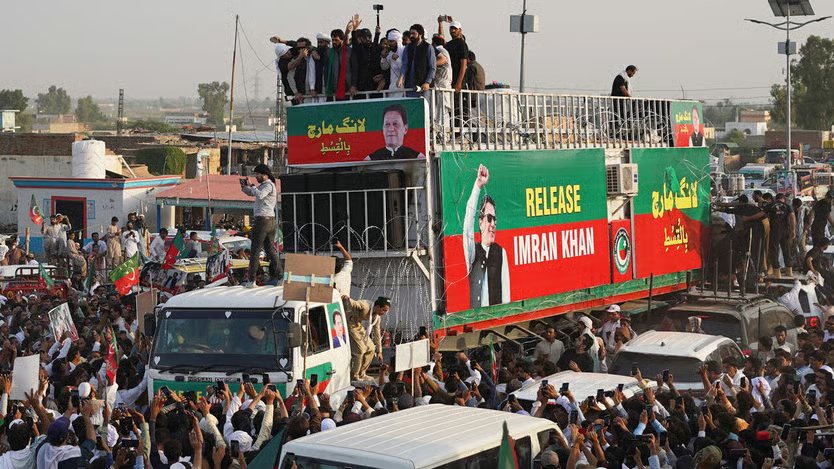
The foundation is representative government. Without genuine electoral accountability, the state lacks legitimacy. Laws mean nothing when institutions enforce them selectively. Rule of law is not a slogan — it is the architecture upon which everything else is built. Pakistan has the laws. What it lacks is the will to apply them equally, consistently, and without political interference.
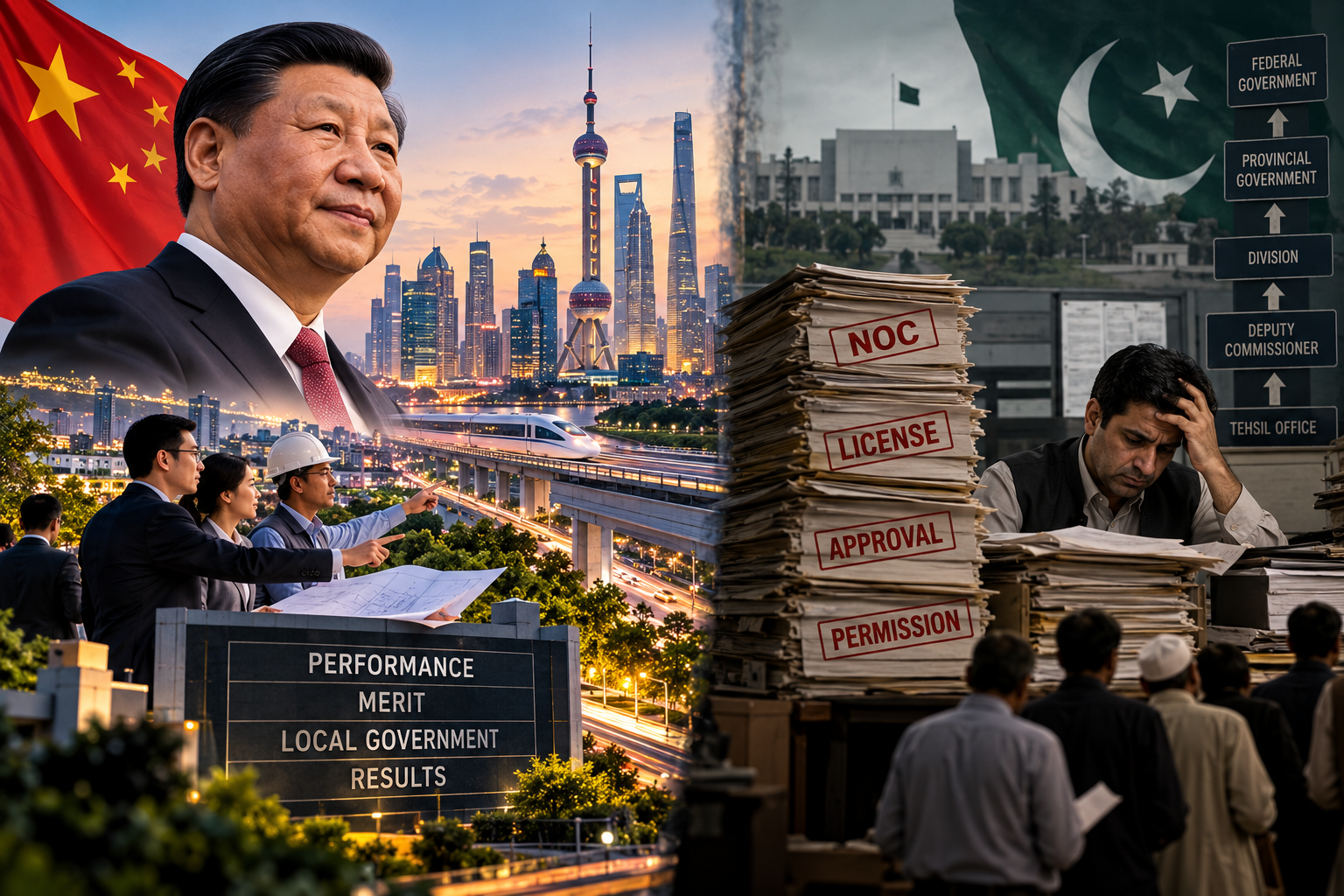
Then comes devolution. Pakistan is a federation of 250 million people spread across four provinces, dozens of divisions, and hundreds of districts. You cannot govern this country from Islamabad. The attempt to do so has failed repeatedly, visibly, and expensively. Power must travel downward — to provinces, to districts, to the streets where people actually live. A functional local government system is not an administrative luxury. It is the basic requirement of a working state. Without it, services don’t reach people, accountability disappears, and governance becomes theatre.
Pakistan is one of the most under-devolved federations in the world. The 18th Amendment was a step. Local government has remained an unfinished promise. Until elected local bodies have real powers, real budgets, and real accountability, the state will continue to underperform — regardless of how many diplomatic summits Islamabad hosts.
The logic is simple. A strong state is an internally ordered state. Economic credibility, military deterrence, diplomatic weight — none of these are sustainable without a government that actually functions for its citizens. Pakistan will earn its international standing the day it earns the trust of its own people.
That work starts at home. Not in foreign capitals.