
Edotorial
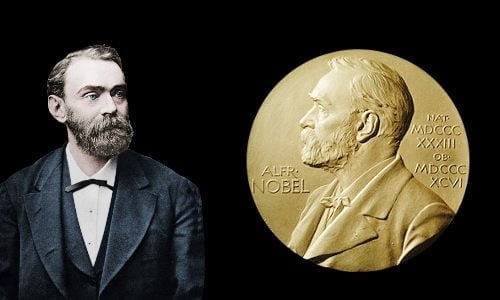
Every year, the Norwegian Nobel Institute releases a number — and the world reads into it like a barometer. This year, 287 nominations. Last year’s record was 376. The institute calls the figure “consistently high.” What it does not say, but what the list itself implies, is that the world is running short of peace but not of people claiming to pursue it.
Two hundred and eight individuals and 79 organisations were put forward. The names kept confidential for fifty years — that is the rule. But those who nominate are free to speak, and they do. Volodymyr Zelensky is on the list, still fighting a war that has consumed three years and counting. Greta Thunberg is there too, nominated for a cause that governments acknowledge and ignore in the same breath. The International Criminal Court appears, an institution currently at odds with the very countries that once championed it.
And then there is Donald Trump — nominated by several individuals for what he called his efforts to stop eight wars. Whether one counts those wars as stopped is a matter of considerable dispute. Trump campaigned openly for the prize last year, lost it to Venezuelan opposition leader Maria Corina Machado, and did not conceal his displeasure. Machado, in a gesture both gracious and politically complex, gave him her medal. The committee clarified, pointedly, that the medal is not the prize.
That clarification matters. Symbols can be transferred. Honours cannot. The Nobel Peace Prize, whatever its limitations, still asks a serious question: who, in a fractured world, has actually moved humanity closer to peace? In 2025, 287 nominations have been submitted. The answer, apparently, remains elusive. October 9 will tell us whom the committee believes comes closest.