
Zafar Iqbal
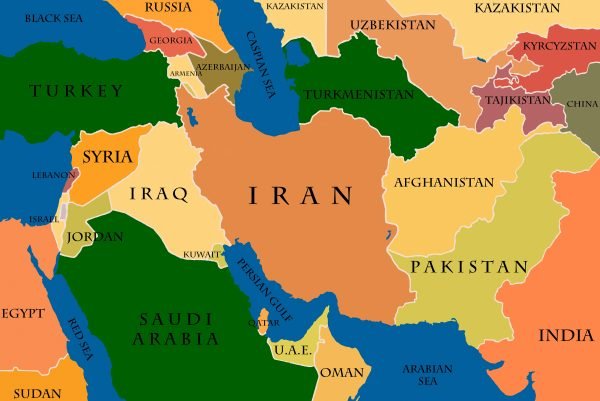
There is a quiet crisis building in Pakistan’s economy, and most people are not talking about it loudly enough. The country’s external finances — the dollars that keep imports flowing, debts serviced, and the currency from collapsing — rest on a foundation that is increasingly fragile. That foundation is the Middle East, specifically the Gulf Cooperation Council countries, and the cracks are beginning to show.
To understand how Pakistan got here, you have to look at the basic arithmetic of its external account. Exports, which should be the backbone of any economy’s foreign exchange earnings, have been stuck in place for years. In absolute terms they have barely moved. As a share of GDP, they have actually shrunk. Pakistan sells less of itself to the world today, proportionally, than it did a decade ago. Meanwhile, imports have kept rising — energy, automobiles, food, machinery — feeding a consumption-driven economy that produces too little and spends too much.
The gap between what Pakistan earns from exports and what it spends on imports is enormous, and it does not close itself. It has been bridged, year after year, by one lifeline: remittances from Pakistanis working abroad. Over the past fifteen years, these inflows have grown fourfold. They have become the single most important source of foreign exchange for the country, dwarfing export earnings in terms of their economic significance and their role in financing everyday consumption.
Here is where the structural problem becomes impossible to ignore. More than half of Pakistan’s remittances come from GCC countries. Nearly one-fifth come from the UAE alone. This is not diversification — this is dangerous concentration. When one region accounts for the majority of your economic lifeline, you are not managing risk; you are accumulating it.
And that region is now caught in conflict.
The Middle East is not the stable, predictable oil economy it once appeared to be. Geopolitical tensions have intensified, economic pressures on Gulf states are growing, and the relationships between GCC countries themselves are showing friction. For Pakistan, which has tried to maintain neutrality in regional disputes, this balancing act is becoming harder to sustain — and more costly.
The UAE, long one of Pakistan’s closest economic partners, appears to have grown cooler. The signal was unmistakable when Pakistan returned USD 3.5 billion in UAE deposits, some dating as far back as the 1990s. Saudi Arabia moved quickly to fill the void, adding USD 3 billion to bring its total deposits to USD 8 billion. Pakistan’s government may have presented this as a sign of strong Saudi support. In reality, it made things worse. Pakistan’s external financing is now even more concentrated in a single country’s hands. The eggs have not just stayed in one basket — more eggs have been added to it.
The risks do not stop at deposits and remittances. There are credible reports that UAE firms are reconsidering their investment portfolios in Pakistan, raising the prospect of capital outflows from investments already on the ground — including significant stakes in companies like PTCL. At the same time, anecdotal evidence is mounting that Pakistani workers in the UAE are facing visa cancellations. If that trend accelerates, remittance inflows from the UAE — already the single largest national source — could fall sharply, and quickly.
Some analysts suggest that Saudi Arabia or Qatar might absorb the overflow of Pakistani workers displaced from the UAE. This is wishful thinking. Gulf economies are themselves under pressure from the regional conflict. They are managing their own economic anxieties. Asking them to expand their Pakistani worker intake at a moment of regional stress is not a realistic plan — it is a hope dressed up as a strategy.
Even if it worked, it would not solve the underlying problem. Shifting dependence from the UAE to Saudi Arabia is not diversification. It is rearranging the furniture in a burning room. Pakistan would still be a remittance-dependent economy with all its eggs in the Gulf basket, just in a slightly different corner of it.
The deeper issue is structural, and it has been ignored for too long. Pakistan’s productivity levels remain low. Its export base is narrow, concentrated in low-value textiles, and has failed to climb the value chain despite years of policy promises. Foreign direct investment, which should be the engine of industrial transformation, has performed even worse than exports. It is now close to negligible — a damning verdict on the business environment, the rule of law, and the confidence that both local and foreign investors have in the economy’s future.
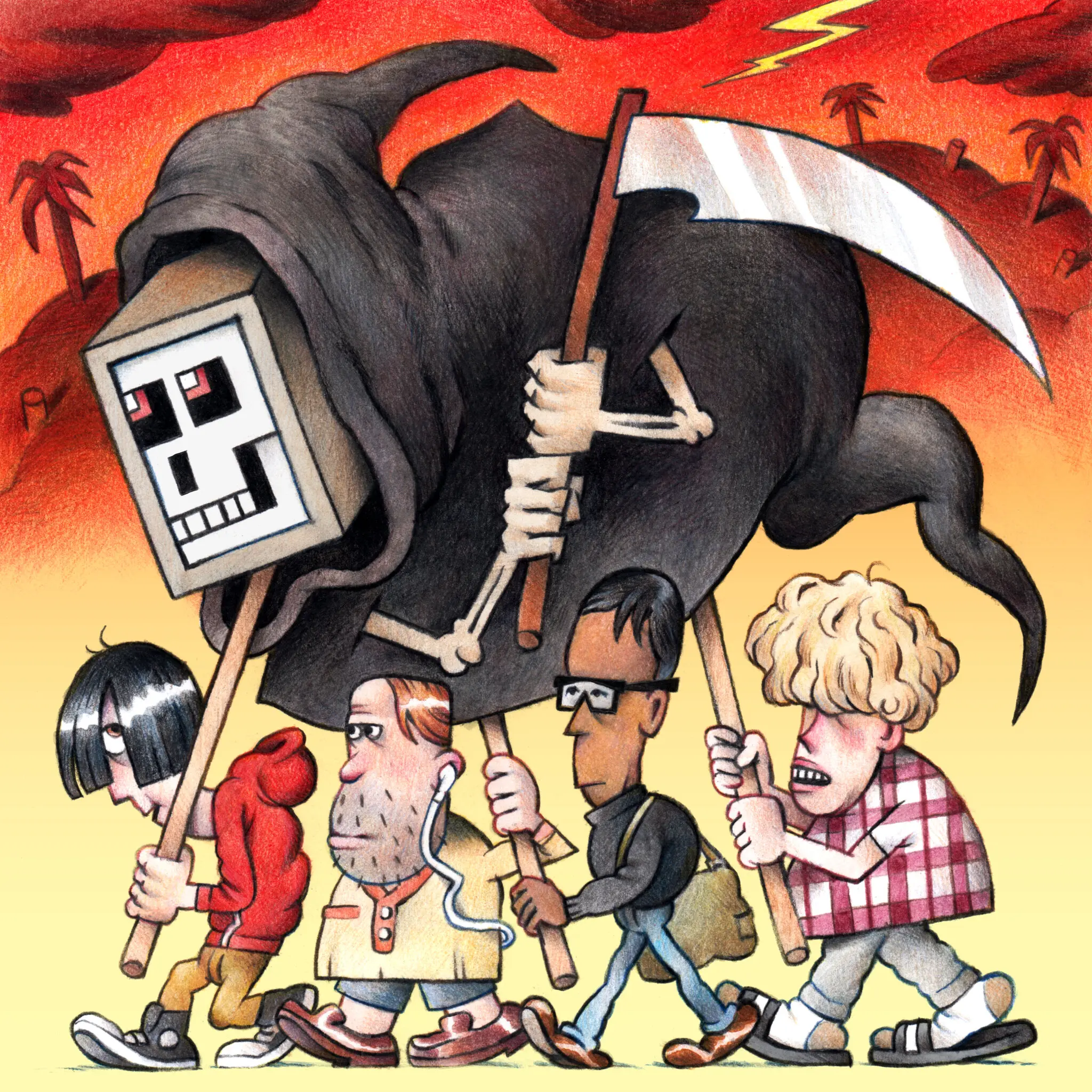
Without fixing these structural weaknesses, no amount of remittance management will save Pakistan from periodic external crises. If remittances fall and imports cannot be cut quickly enough, the current account deficit widens. Cutting imports sharply enough to close that gap means squeezing economic activity — which means lower growth and higher unemployment. The people who would pay the price are not policymakers; they are ordinary Pakistanis who are already stretched thin.
Pakistan’s leadership has known about this dependence for years. The prescriptions have been written, debated, and shelved repeatedly. Export diversification, investment in manufacturing, improvement of the business climate, reduction of energy costs, political stability — none of these are new ideas. All of them remain unfinished business.
What is new is the urgency. The Middle East can no longer be treated as a permanently reliable buffer. The geopolitical ground is shifting. Gulf economies are under pressure. Pakistan’s relationships in the region are more complicated than they have been in a generation. The comfortable assumption that remittances will keep growing, that Gulf deposits will keep rolling over, and that the external account will somehow manage itself — that assumption is no longer safe to hold.
Pakistan needs to build an economy that earns its way in the world, not one that survives on the wages of its diaspora and the goodwill of Gulf monarchies. That is a long road, and it requires political will that has been conspicuously absent. But the alternative — continuing down the current path until the next crisis forces a reckoning — will be far more painful than the reforms that have been postponed.
The house is built on borrowed sand. The tide is coming in.