
Barrister Naveed Qazi
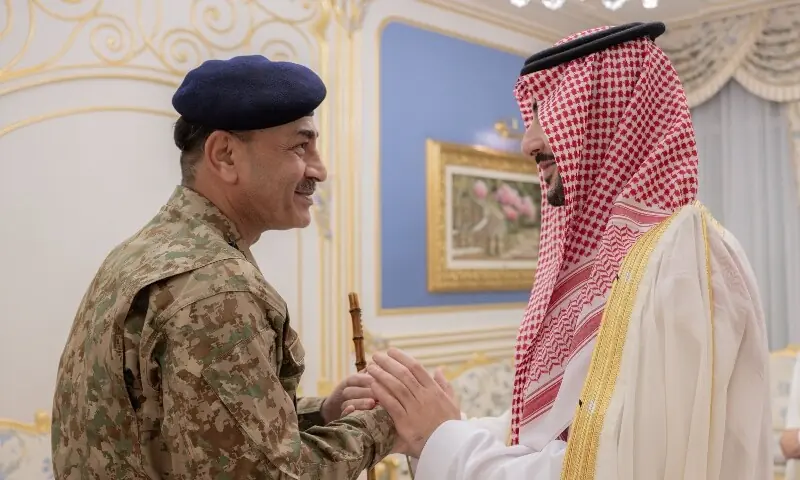
Pakistan had staked considerable diplomatic capital on this weekend. For weeks, Islamabad had positioned itself as the indispensable bridge between Washington and Tehran, orchestrating shuttle diplomacy at the highest levels, hosting marathon negotiating sessions, and projecting an image of a nation punching well above its weight on the global stage. Prime Minister Shehbaz Sharif and Field Marshal Asim Munir, Chief of Defence Forces, had personally spearheaded this mediation effort, signalling to the world that Pakistan could deliver what decades of hostility had made unthinkable: a negotiated end to the US-Iran confrontation. Then, last Saturday, Donald Trump cancelled everything.
The second round of negotiations between the United States and Iran did not happen this weekend. Bloomberg reported Monday that despite Pakistan’s last-minute diplomatic scramble, the much-anticipated talks collapsed before they could begin. The news landed in Islamabad like a quiet but unmistakable verdict on the limits of Pakistani mediation, at least for now.
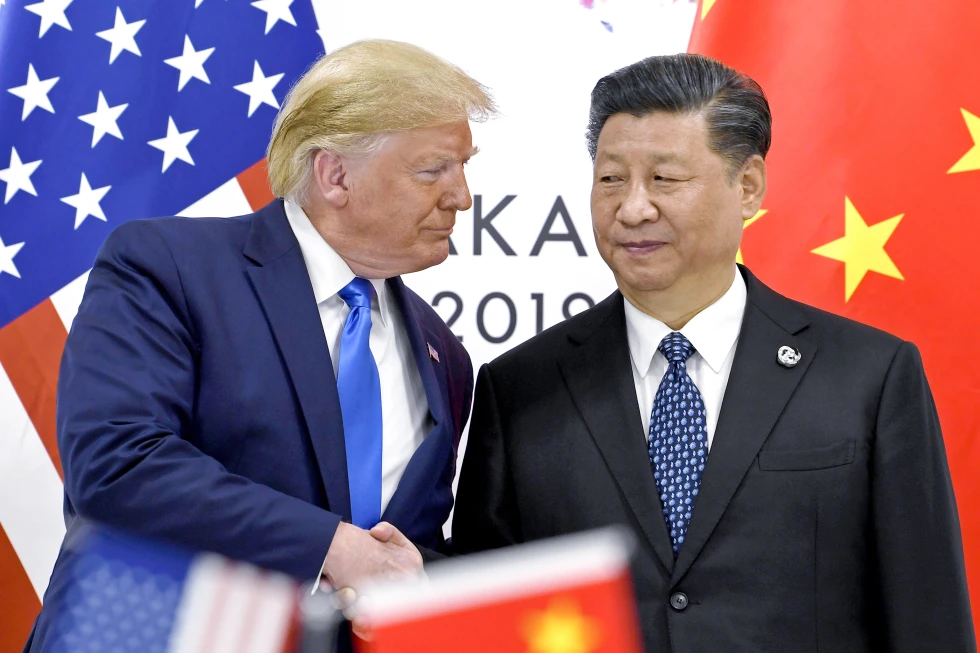
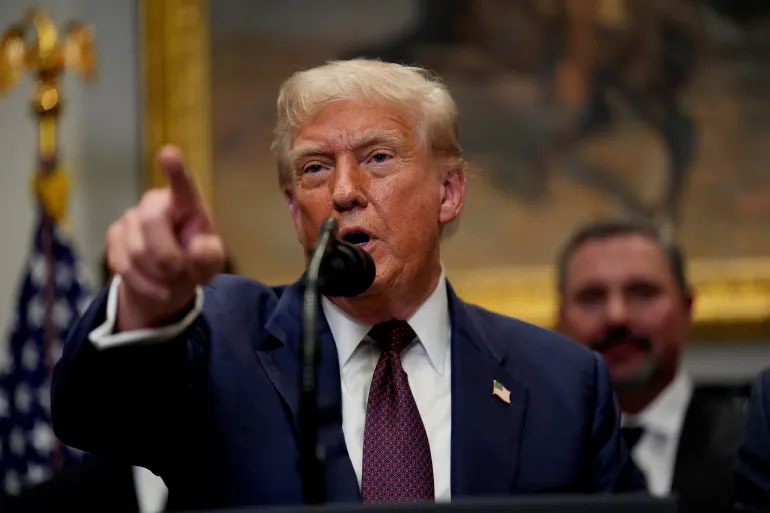
Trump’s cancellation of the planned visit by his special envoys, Jared Kushner and Steve Witkoff, was framed by the president in typically blunt terms. Iran had offered “a lot,” he acknowledged, but it was not enough. Washington wanted more. The Strait of Hormuz remained blockaded. Iran’s nuclear programme remained intact. And the gap between what America demanded and what Tehran was prepared to surrender remained, by all accounts, unbridgeable in a single weekend of talks.
What makes the situation more telling is what happened despite the cancellation. Iranian Foreign Minister Abbas Araghchi flew to Islamabad not once but twice over the weekend, a fact that Axios confirmed was tied to a fresh Iranian proposal being conveyed to Washington through Pakistani intermediaries. The back-channel was alive. The Pakistanis were still carrying messages. But the Americans were not yet ready to come to the table. A mediator can build the room, arrange the chairs, and even deliver the invitation, but they cannot compel the powerful to sit down.
The ceasefire established in early April between the two sides continues to hold, which is itself no small achievement. But a ceasefire is not peace. The Strait of Hormuz blockade, which has sent shockwaves through global energy markets and disrupted supplies of crude oil, fuel, and natural gas to countries far removed from the conflict, remains a live crisis. Iran, meanwhile, has shown no willingness to accept Washington’s central demand: a complete rollback of its nuclear programme. These are not minor procedural disagreements. They are structural divides, rooted in decades of mistrust, ideological hostility, and competing national interests that no single mediating power can dissolve in a matter of weeks.
Analysts were measured in their assessments. Adam Weinstein, Deputy Director of the Quincy Institute, offered an instructive historical comparison. Under the Obama administration, nuclear negotiations with Iran took twenty months to conclude, and that was under conditions arguably more favourable to diplomacy than those prevailing today. The expectation that Pakistan could compress that timeline into a few weekends was always optimistic, perhaps dangerously so. Weinstein was direct: Pakistan can offer a venue and generate momentum, but it cannot force either side to compromise. Trump’s negotiating posture, he argued, relies on maximum pressure and demands for capitulation, an approach that may have extracted concessions in smaller contexts but is unlikely to work against a state like Iran, which has demonstrated, over four decades, an extraordinary capacity to absorb punishment and refuse to break.
The weeks leading up to this weekend had built genuine anticipation. Pakistan had hosted intensive sessions involving US Vice President JD Vance and an Iranian delegation just a fortnight ago. Those talks concluded without a deal, but the very fact that they occurred at all was treated as a diplomatic triumph. Field Marshal Munir had subsequently travelled to Tehran in a direct mediation mission, shortly before Trump announced the ceasefire between Israel and Lebanon. Islamabad’s confidence was high. The machinery of mediation was running.
But confidence can obscure complication. As the weekend approached, the signals from both Washington and Tehran grew contradictory and uncertain. The momentum that Pakistan had carefully cultivated began to slow. By Sunday, the signals from Islamabad itself told the story most clearly. Police checkpoints that had been established for weeks were dismantled. Universities announced a return to in-person classes. Hiking trails on the city’s outskirts, closed during the period of heightened security, were reopened to the public. The scaffolding of a high-stakes diplomatic event was quietly being taken down.
Christopher Clary, Associate Professor of Political Science at the University at Albany, offered perhaps the sharpest observation on Pakistan’s predicament. A mediator who successfully ends a conflict on terms Washington finds acceptable becomes, in his words, a miracle worker in the eyes of the world. A mediator who fails is simply a normal country. Pakistan wanted to be seen as a miracle worker. That framing captures the extraordinary pressure Islamabad placed on itself by so visibly staking its international credibility on a successful outcome.
None of this means Pakistan’s mediation effort is finished. The back-channel remains operational. Araghchi’s willingness to return to Islamabad even after the US cancellation suggests that Tehran still values the Pakistani connection. Washington has not walked away from the process entirely. The ceasefire holds. And the sheer complexity of the US-Iran relationship means that any durable resolution will require precisely the kind of patient, sustained shuttle diplomacy that Pakistan has been practising.
But the lesson of this weekend is a sobering one. Mediation between nuclear-armed adversaries, separated by deep ideological conviction and reinforced by decades of grievance, does not yield to deadlines or diplomatic enthusiasm alone. Pakistan entered this process with courage and ambition. Whether it can convert those qualities into a lasting breakthrough will depend not on Pakistan’s willingness to try, but on whether Washington and Tehran are willing, finally, to want the same thing at the same time.
That moment has not yet arrived.