
Editorial
Pakistan’s packaged food industry has raised objections to proposed front-of-pack warning labels, and while public health must ultimately prevail, the industry’s concerns are not without merit. The debate deserves a more honest examination than it is currently receiving.
Nobody disputes that Pakistan faces a serious and worsening crisis of diet-related disease. Obesity, diabetes and hypertension are rising at rates that should alarm every policymaker. Consumers deserve clear, accessible information about what they are eating. Warning labels, in principle, serve that purpose. They cut through the dense technical nutrition panels that most people never read and give an immediate visual signal at the point of purchase.
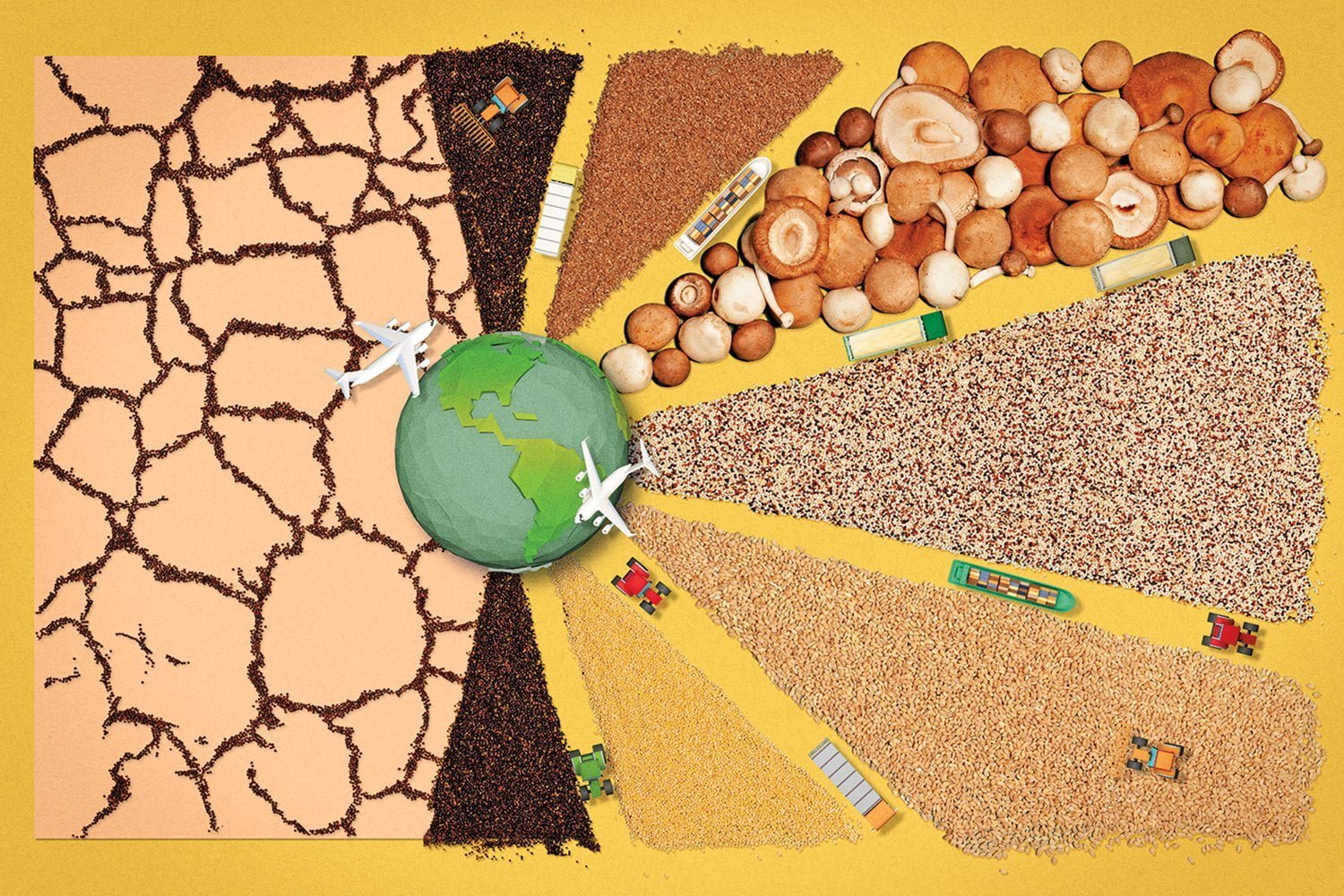
The problem is not the goal. It is the design. Pakistan’s food market is overwhelmingly informal. Loose, unpackaged, counterfeit and smuggled products constitute a vast share of daily consumption, particularly among lower-income households for whom price is the primary consideration. If warning labels apply exclusively to formal packaged goods while the rest of the market continues operating without effective oversight, the policy will not produce healthier eating. It will produce a shift toward cheaper, less regulated and potentially more harmful alternatives. That is not a public health win. That is a public health risk dressed up as reform.
Formal packaged food companies already carry a heavy compliance burden. They pay taxes, follow quality standards and operate under scrutiny that their informal competitors entirely escape. Adding regulatory costs to this sector without simultaneously strengthening enforcement across the broader market simply widens an already unfair competitive gap.
The answer is not to abandon food labelling reform. It is to design it properly: phased, consultative, evidence-based and matched by genuine enforcement expansion into informal markets. Singapore’s incentive-driven model, which rewards reformulation rather than merely penalising producers, offers a far more constructive template.
Pakistan needs regulation that is credible across the entire food market, not just convenient for those easiest to monitor.