
Editorial
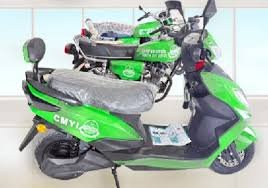
Petrol prices have forced a quiet revolution on Pakistan’s roads. Ordinary citizens, crushed under the weight of relentless fuel hikes, are abandoning combustion engines and rushing toward electric scooters and bikes in numbers that nobody in government apparently anticipated. Around 40,000 units sold in April alone. Ninety percent scooters, ten percent bikes. Waiting lists stretching thirty days. Advance bookings demanding Rs10,000 to Rs15,000 out of pocket before a single wheel turns. This is not a trend. This is a crisis of policy failure wearing the disguise of a boom.
The shortage of CKD kits for popular models — T5-L, Velax, M3-H — is not an accident of global supply chains. It is the predictable consequence of a state that never built a serious industrial strategy around electric mobility. Pakistan’s EV assemblers remain almost entirely dependent on imported component kits. When demand spiked, as any thinking policymaker should have foreseen once petrol crossed every threshold of affordability, the supply chain collapsed under the pressure. There was no buffer. No localisation. No contingency.
What makes this particularly damning is that the consumer has already made the decision the government spent years debating. No task force drove this shift. No subsidy scheme triggered it. Economic pain did what policy could not. The people moved. The state did not.
Instead of capitalising on this momentum, Pakistan is watching a genuine industrial opportunity slowly suffocate. Every day a buyer waits thirty days for a scooter is a day a local manufacturer could have filled that order — had the government invested in component localisation, streamlined import duties on EV parts, and created real incentives for domestic production.
The EV revolution is arriving uninvited and unplanned. Pakistan’s chronic habit of missing its own moments is on full display once again.