
Editorial
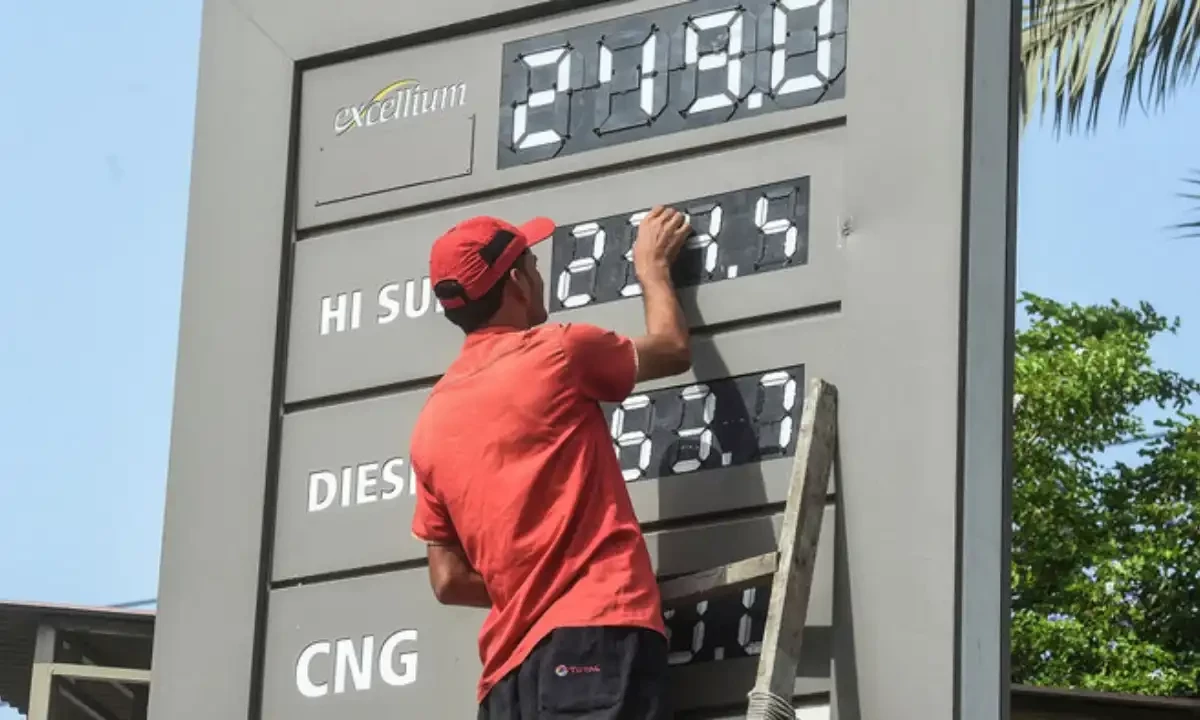
The government has announced a reduction of Rs22 per litre in petrol and diesel prices, bringing petrol down to Rs381.78 and high-speed diesel to Rs380.78. This follows a Rs6 per litre cut just last week. The Prime Minister’s Office has presented this as the fulfilment of a public promise, and credit must be given where it is due. In a difficult fiscal environment, any relief for the common citizen matters.
But let us be honest about what this relief actually is.
International oil prices have collapsed. Brent crude fell 2% on Friday alone and is heading for its steepest weekly decline in seven weeks. WTI has dropped nearly 10% in a single week. When global prices fall this sharply, a Rs22 reduction is not generosity. It is arithmetic. The real question is how much of that global decline is actually being passed on, and how much is being quietly absorbed by the state through petroleum levies and taxes.
Pakistan’s fuel pricing structure carries a heavy burden of levies that have nothing to do with the cost of oil. These levies are a revenue instrument dressed up as an energy policy. When international prices fall, the government often adjusts the consumer price just enough to appear responsive while preserving its tax take. The genuine price of petroleum, stripped of all levies and duties, would look very different from what appears at the pump.
The failure of the taxation system must not be loaded onto fuel prices. Citizens who ride motorcycles, drive rickshaws, and operate small goods vehicles cannot be treated as a captive revenue base for a state that has failed to broaden its tax net. Petroleum products must be priced on their actual cost, not on the government’s fiscal needs.
Relief is welcome. Genuine relief would be transformative.