
Editorial
Pakistan’s three dominant political parties have each ruled their respective provinces for a decade or more. Imran Khan’s PTI commands Khyber Pakhtunkhwa, the Pakistan Peoples Party holds Sindh, and the Pakistan Muslim League-N governs Punjab. Each party arrived in power carrying promises of transformation. Each has had more than enough time to deliver. None has.
Measure them by any honest standard: public service delivery, institutional reform, administrative competence. The results converge at the same point. The hospitals remain understaffed. The schools remain dysfunctional. The bureaucracy remains captured. The citizen remains ignored. Ideology did not determine the outcome. Duration did not improve it. Geography did not excuse it.
This convergence carries a profound lesson. Voters and analysts often debate which party governs better, as though the central question is one of political preference. But the evidence from three provinces, across three parties, over more than a decade, refuses that framing. The parties are different. The results are not.
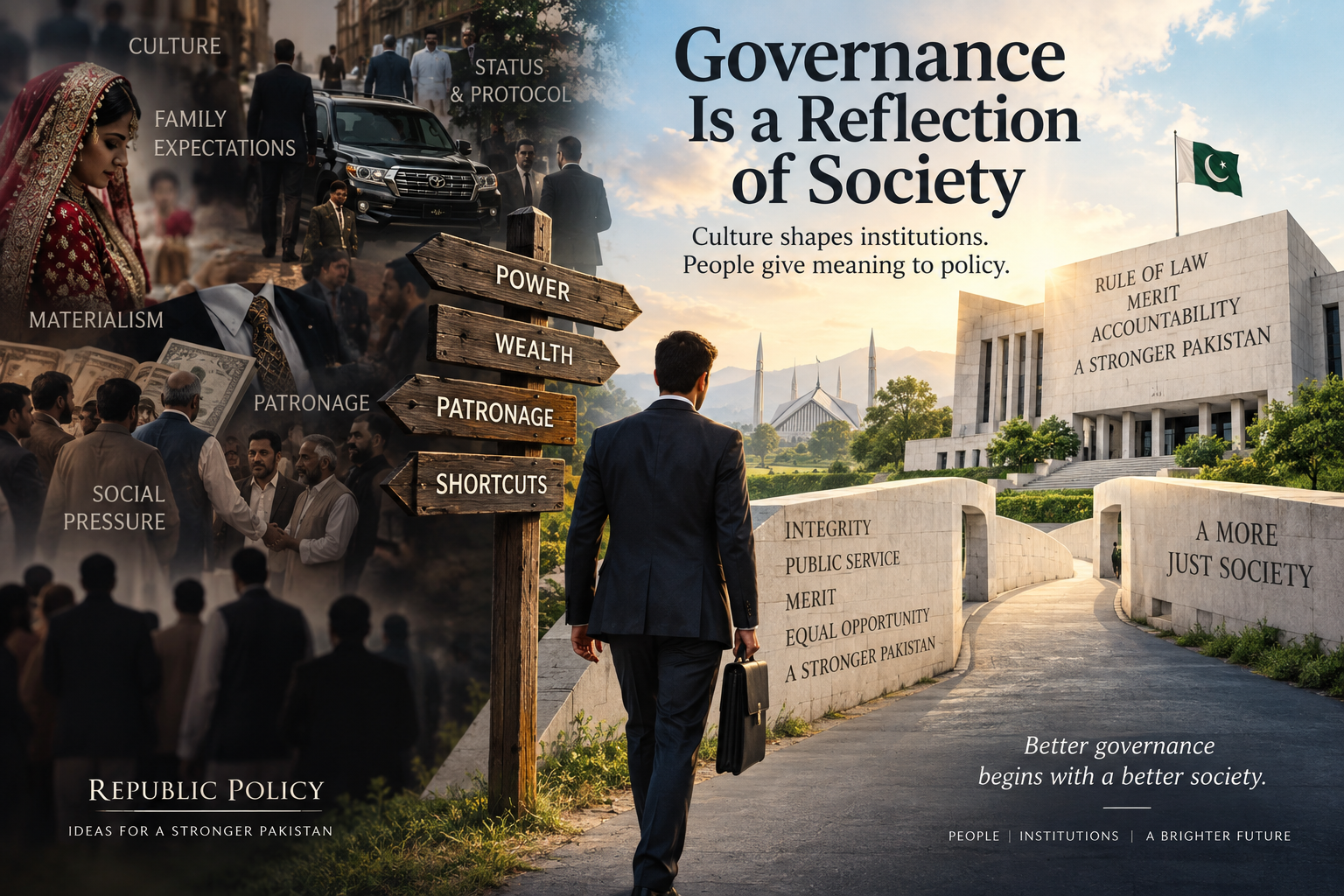
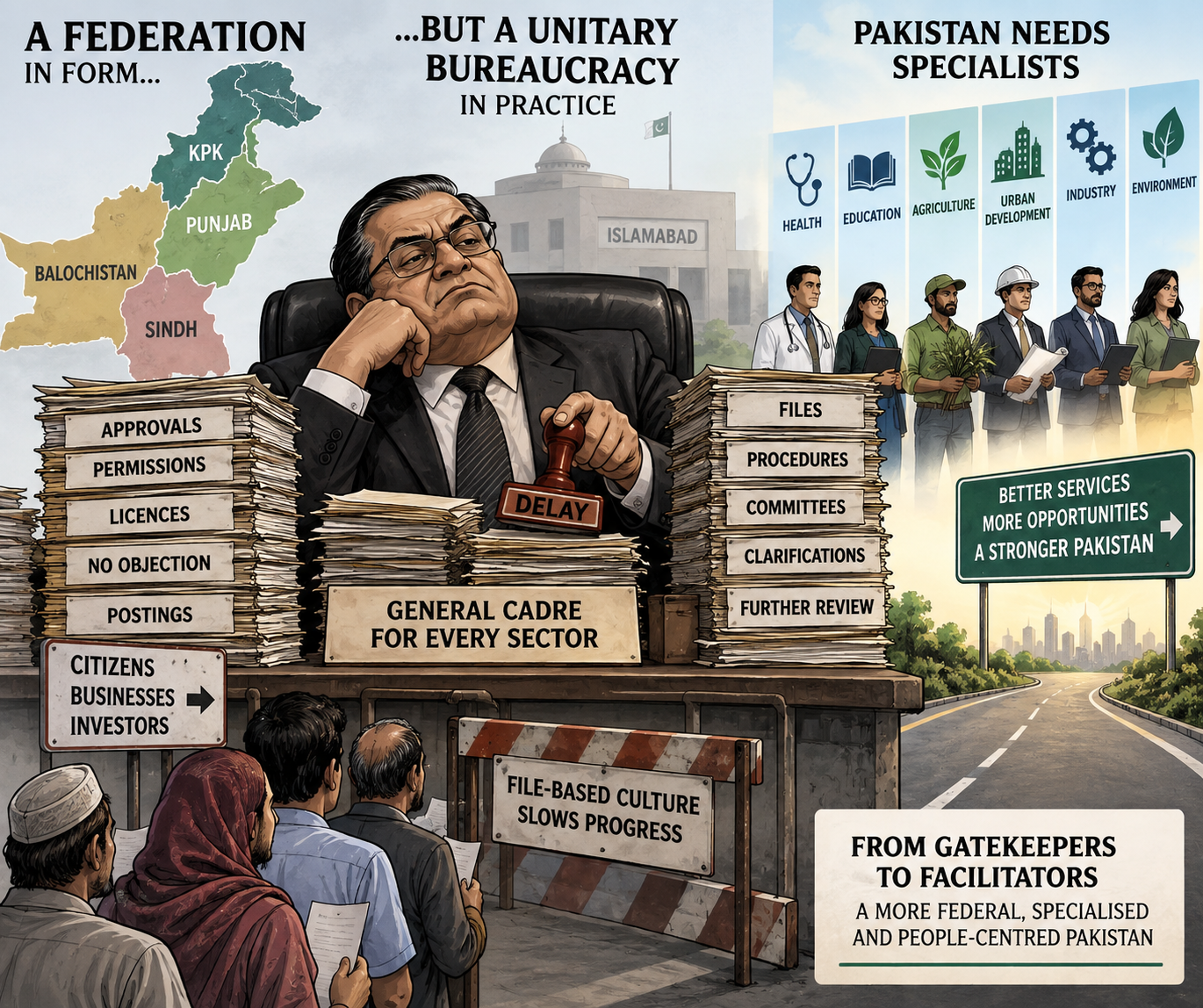
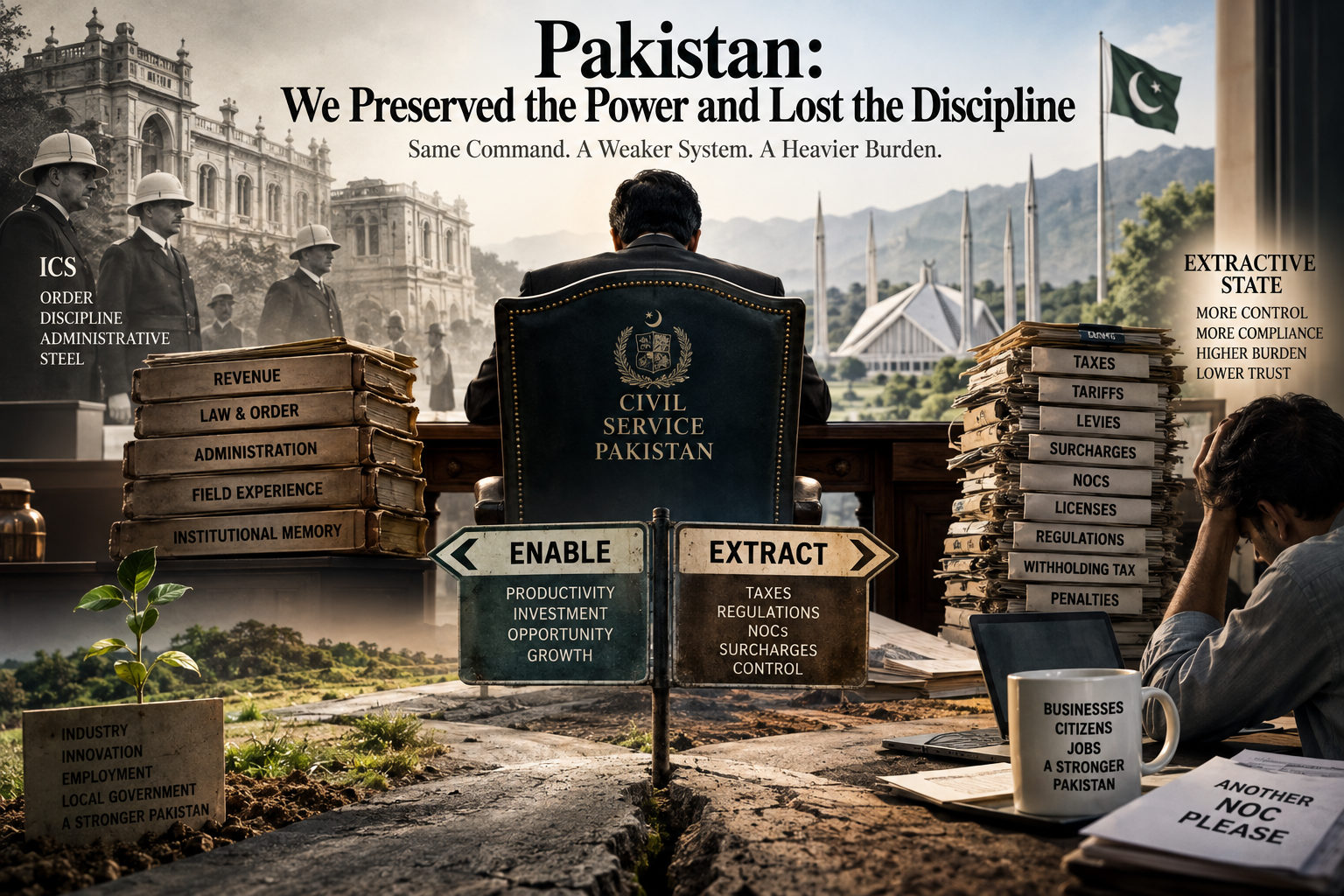
What this tells us is that the problem does not reside inside any party headquarters. It resides inside the system itself. A governance architecture built on colonial foundations, resistant to accountability, indifferent to merit, and structurally hostile to reform will consume every party that enters it. It will normalise mediocrity. It will protect incompetence. It will exhaust reformers and reward operators.
Pakistan does not need a better party. It needs a better system. Until the structural roots of governance failure are addressed, including administrative design, service delivery frameworks, and institutional independence, rotating parties between provinces will change nothing of substance. Three parties have already proved this. The lesson is there. The question is whether the country is willing to read it.