
Editorial
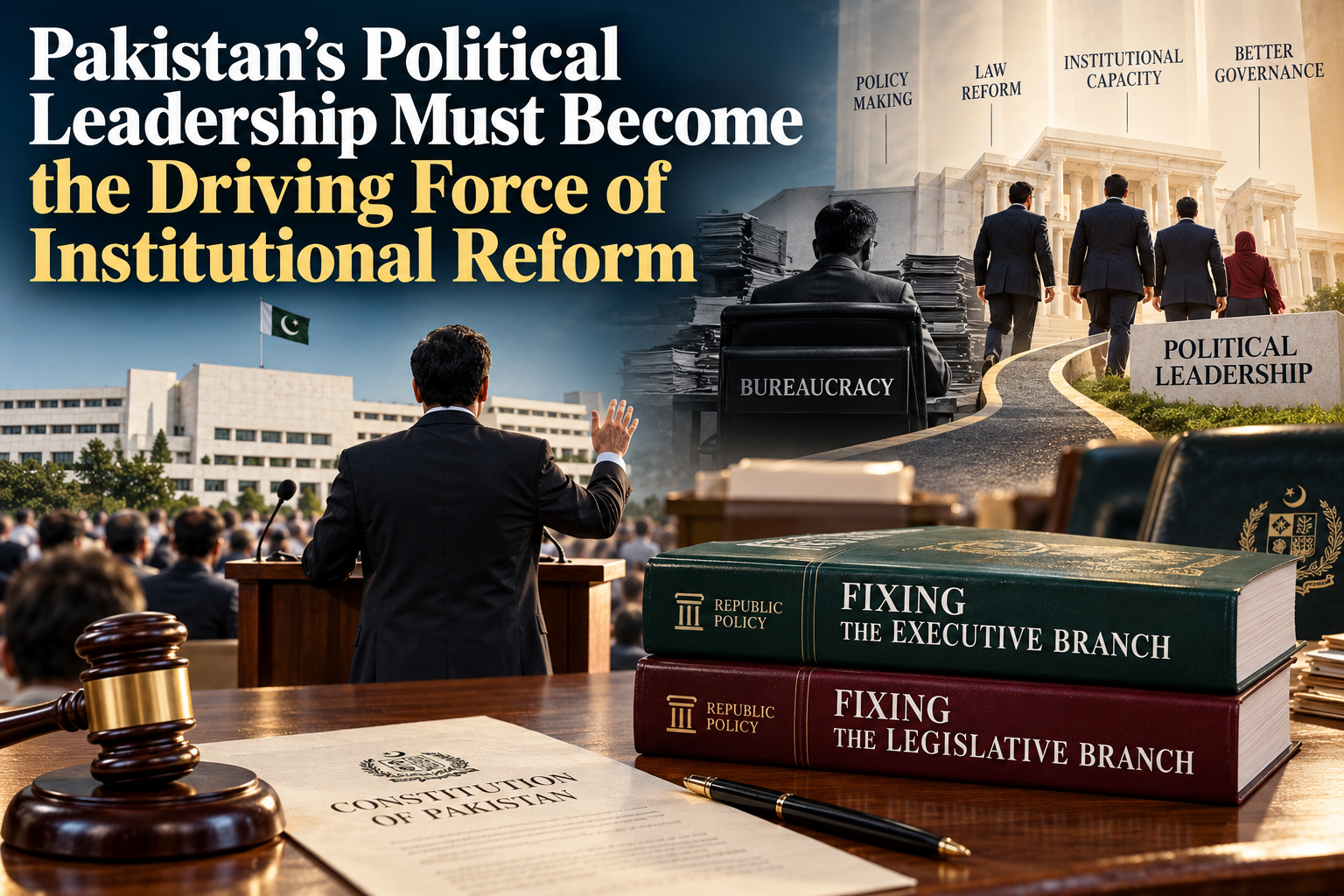
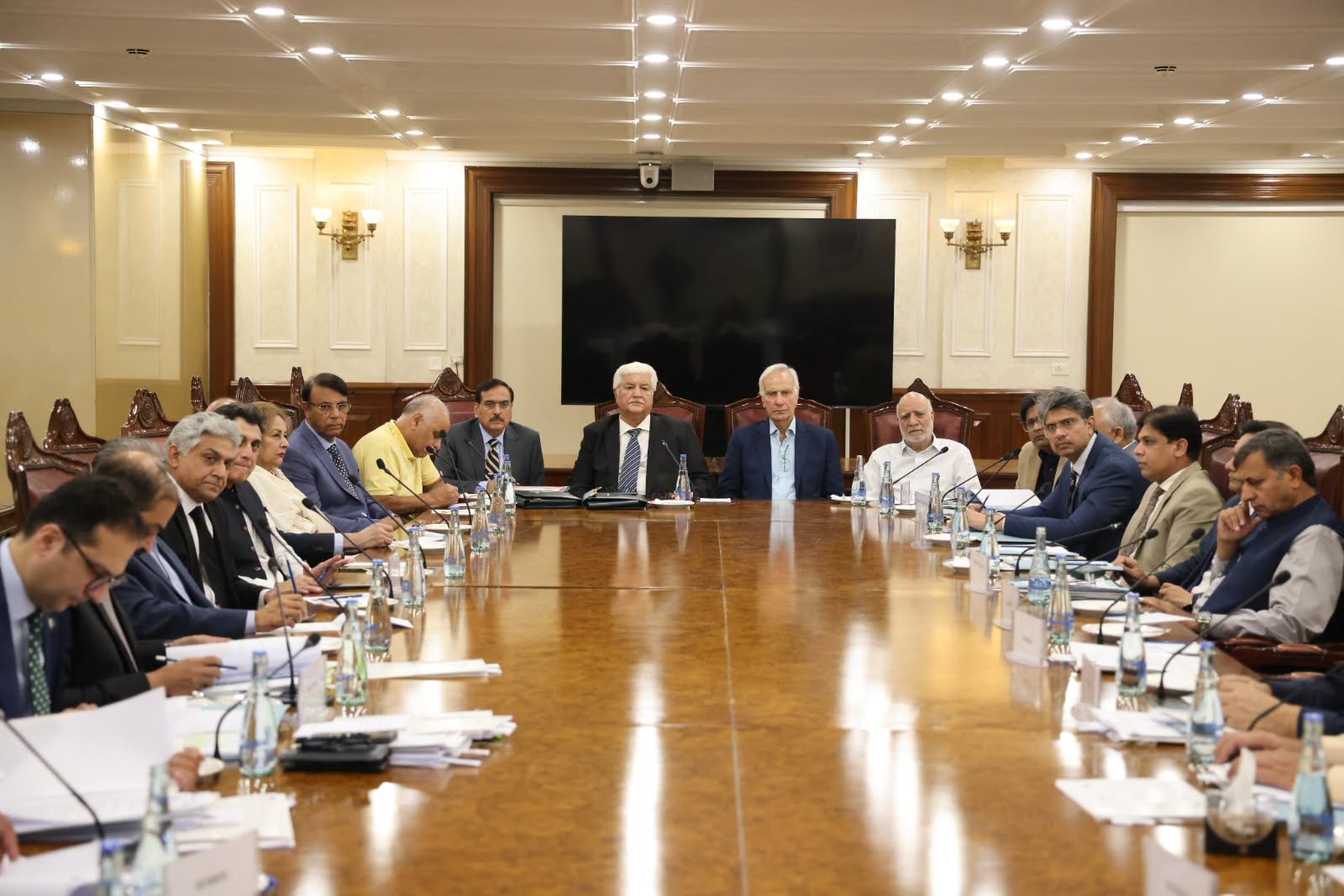
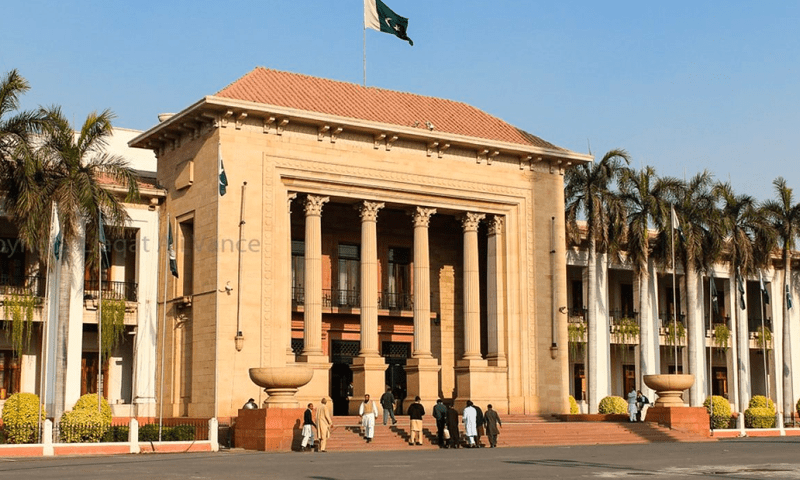
The recent move to make bureaucracy, police, and other administrative departments effectively accountable to the standing committees of the Punjab Assembly marks a positive and welcome development in provincial governance. It signals a shift toward the kind of parliamentary oversight that democratic systems are built upon. For too long, administrative departments in Pakistan have operated with limited scrutiny from elected representatives. This change begins to correct that imbalance.
Parliamentary oversight is not a ceremonial function. It is the foundation of better governance, transparency, and public accountability. When standing committees can summon officials, question policy decisions, and review departmental performance, the executive branch is compelled to justify its actions to the people’s representatives. This is how democracies are meant to function. The bureaucracy answers to elected officials, not the other way around.
Punjab’s experience offers a template that other legislative bodies across Pakistan should study closely. The National Assembly and the Senate, along with the assemblies of Sindh, Khyber Pakhtunkhwa, and Balochistan, all possess standing committees on paper. Yet in practice, many of these committees remain underutilized, poorly staffed, or sidelined by the very departments they are meant to oversee. Punjab’s model demonstrates that with political will, these committees can be transformed into genuine instruments of accountability.
Strengthening committee oversight requires more than procedural reform. It requires adequate research staff, regular meeting schedules, enforceable summons, and consequences for non-compliance by departments. Without these elements, oversight remains symbolic rather than substantive. Punjab’s assembly should continue refining this mechanism, and other provinces should not wait to follow suit.
Effective legislative oversight strengthens the entire federation. It builds public trust, reduces bureaucratic overreach, and reinforces the constitutional principle that administrative power flows from and answers to elected representatives. Punjab has taken a meaningful step. The rest of Pakistan’s legislative bodies should take note and act.
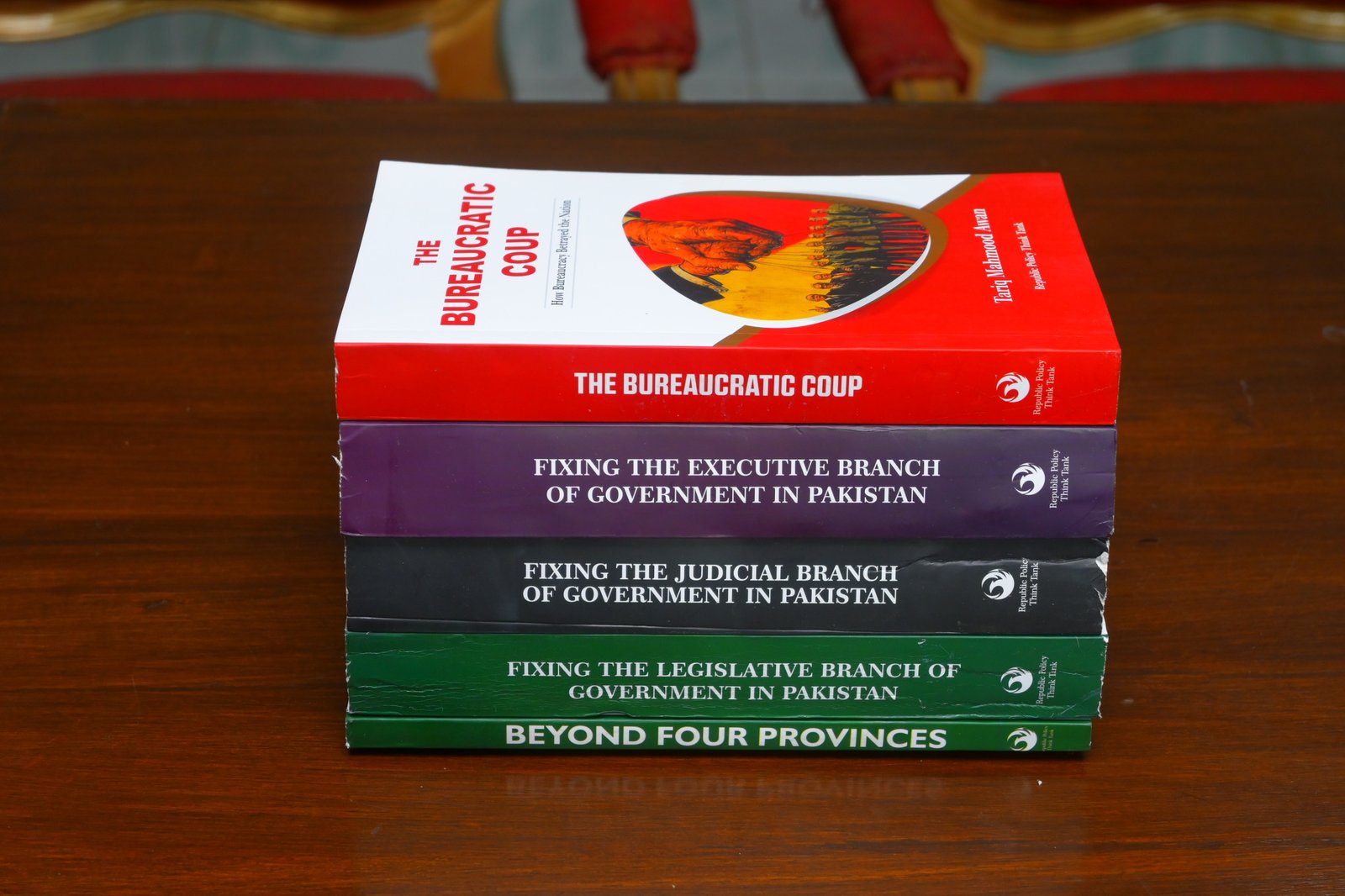
The best-selling books of Republic Policy Think Tank, including the landmark book The Bureaucratic Coup, are available at Vanguard Books, Liberty Books, Readings, Kitab Sarai, Sang-e-Meel, Saeed Book Bank Islamabad, National Book Foundation, and others across Pakistan. Contact for home delivery: 0300 9552542.