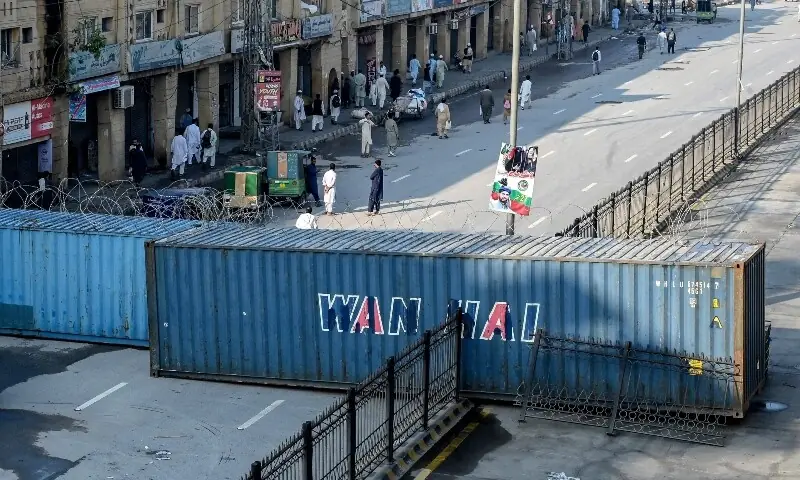

Five years after the Taliban’s return to power, the group has consistently projected an image of Afghanistan under its full control. For most of that period, small pockets of armed opposition in Panjshir, Badakhshan, and Baghlan’s Andarab district failed to seriously challenge that narrative. That picture, however, is beginning to shift as new anti-Taliban movements emerge across the country.
Last month, a newly formed group calling itself Sipahiyan-i-Mihan, or “Soldiers of the Homeland,” briefly seized the district center of Yaftal-e Payeen in Badakhshan. According to local sources, its fighters entered the district headquarters, disarmed Taliban personnel, and raised their own flag before withdrawing several hours later. The group described the retreat as voluntary; the Taliban maintained the fighters fled once reinforcements arrived. Whatever the true circumstances, both sides agreed on one point: for the first time since August 2021, a district center had briefly slipped from Taliban control. The Taliban has since dispatched reinforcements and is reportedly preparing a larger operation, though no decisive campaign against the group has yet been publicly confirmed.
Other emerging factions have claimed operations of their own. This week, the Republic Front of Afghanistan said it had targeted a vehicle carrying the Taliban’s intelligence chief for Kabul’s 18th district, claiming he and his companions were killed; local sources confirmed an explosion took place, though the casualties remain unverified. The US-based Afghanistan United Front, led by former Afghan army commander General Sami Sadat, has announced what it calls “Operation Muharib,” claiming attacks in Kandahar, Helmand, and Badghis.
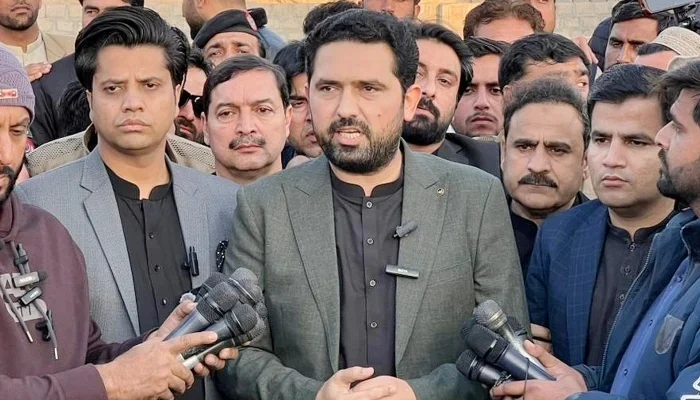
Meanwhile, two of the more established resistance movements, the National Resistance Front, led by Ahmad Massoud, son of the famed anti-Taliban commander Ahmad Shah Massoud, and the Afghanistan Freedom Front, headed by former army chief General Yasin Zia, have continued expanding their campaigns. In Badakhshan’s Zebak district, the Freedom Front and Taliban forces have clashed for weeks, each claiming gains and significant losses that remain impossible to independently verify. Residents have confirmed days of sustained fighting, Taliban reinforcements, house-to-house searches, and even a frontline visit by the Taliban’s chief of army staff, Fasihuddin Fitrat.
Life Under the Fighting
Speaking by phone this week with residents of Zebak and Yaftal, their concerns centered less on which side was winning and more on what the militarization itself had done to daily life. “Taliban fighters are everywhere, in schools and mosques. They have taken over everything and turned it into their base,” one resident said. Another described being expected to feed Taliban fighters stationed in the village mosque, despite struggling to feed his own family, a reminder of the other, quieter war being waged across Afghanistan: the fight to simply get by. A UN Development Programme assessment from May 2026 found that three in four Afghans could not meet their basic needs, with more than 80 percent of households in debt.
A Familiar Suspicion
A glance at Afghan social media shows many anti-Taliban Afghans, both inside the country and abroad, welcoming the resistance groups’ operations. But that enthusiasm is tempered by unease. A growing number are asking whether Pakistan, having fallen into open conflict with its former Taliban allies, is now attempting to use these resistance movements as fresh instruments of influence inside Afghanistan.