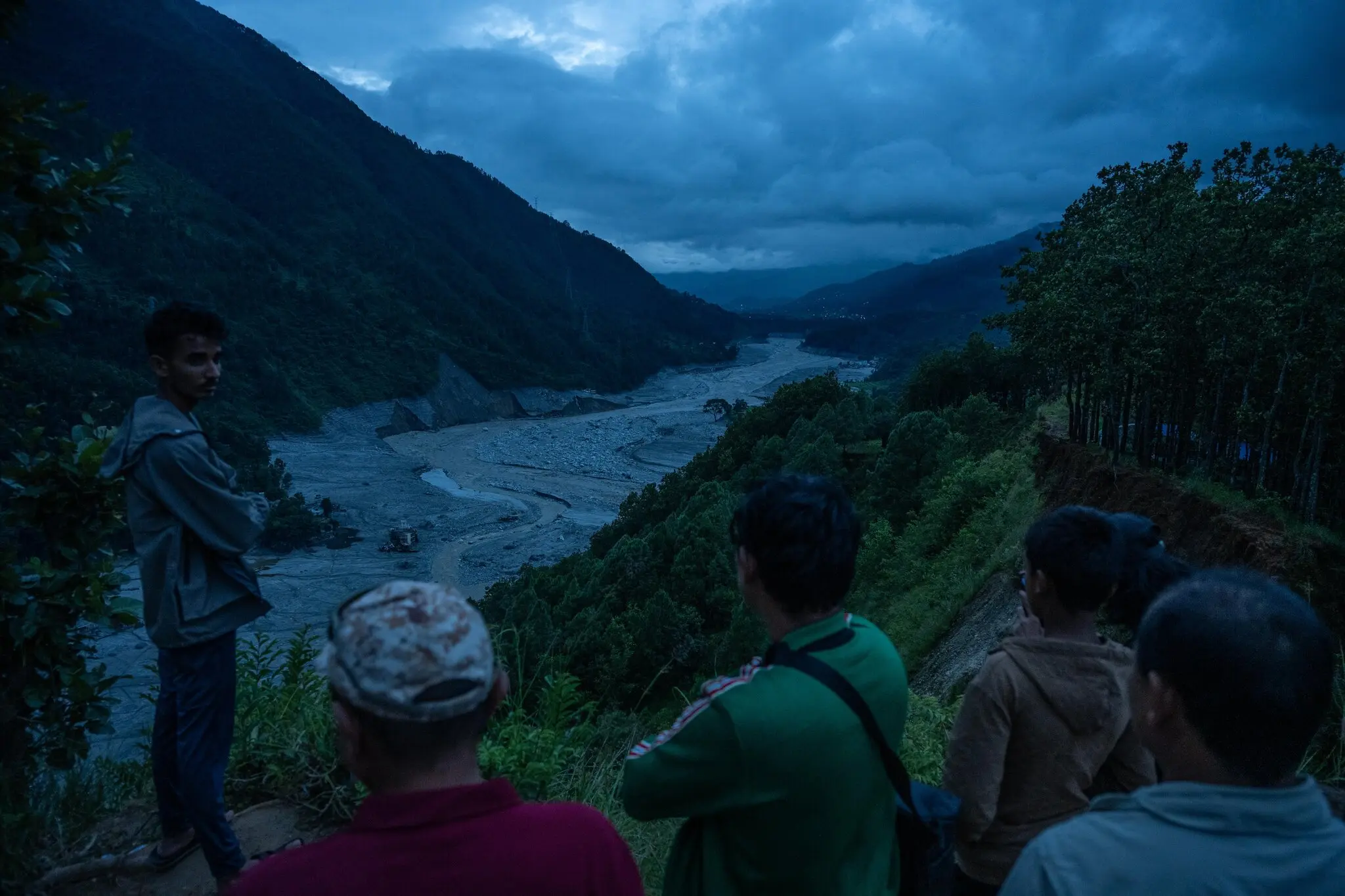

The devastating floods in Nepal have raised fresh concerns across the Himalayan region, where thousands of glaciers stretch across eight countries. Experts say stronger monitoring, greater regional cooperation and better warning systems could help protect millions of people from similar disasters.
The danger extends far beyond Nepal.
Glaciers across large parts of the Himalayas are retreating as temperatures rise, while permafrost — ground that has remained frozen for long periods — is also beginning to thaw. These changes are increasing concerns about a range of natural hazards across the world’s highest mountain system, including landslides, glacial lake outburst floods and rapidly swelling rivers capable of destroying entire settlements.
The urgency has intensified following a catastrophic glacier collapse three weeks ago that triggered flash floods in Nepal and China, leaving more than 8,000 people dead or missing.
In the aftermath, scientists and environmental experts are calling on governments and local authorities throughout the Himalayan region to strengthen preparations for future disasters. Their recommendations include expanding observation of glaciers, mountains and river systems, sharing information across national borders, and developing effective early-warning and evacuation mechanisms.
Miriam Jackson, a Norwegian government research scientist who specialises in the cryosphere — the frozen components of the Earth — said countries in the region need significantly greater communication and exchange of scientific information.
According to Jackson, such disasters are likely to become increasingly important risks as the cryosphere undergoes rapid changes. At the same time, growing numbers of people are living close to areas exposed to these hazards, making better scientific understanding and preparedness increasingly necessary.
The scale of the monitoring challenge was also highlighted in a report released this week by environmental consultancy Systemiq. According to the report, the Hindu Kush Himalayan region contains approximately 40,000 glaciers, yet only 21 are currently being actively monitored.
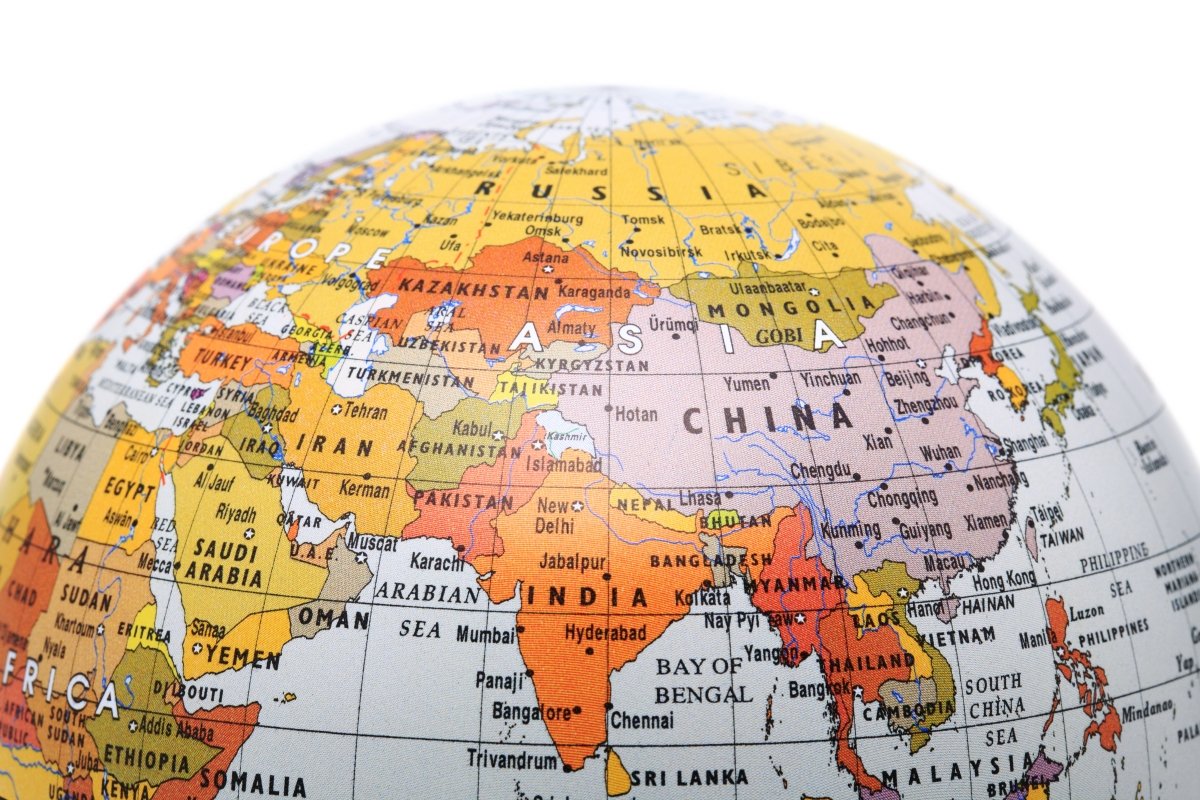
The Hindu Kush Himalayan mountain system extends across eight countries — Afghanistan, Bangladesh, Bhutan, China, India, Myanmar, Nepal and Pakistan — making effective disaster preparedness a regional rather than purely national challenge.
With glaciers, rivers and mountain systems crossing political boundaries, experts argue that individual countries cannot adequately address these risks in isolation. Greater cooperation in scientific monitoring, timely exchange of information and coordinated early-warning systems could therefore become increasingly important for protecting communities throughout the Himalayan region.