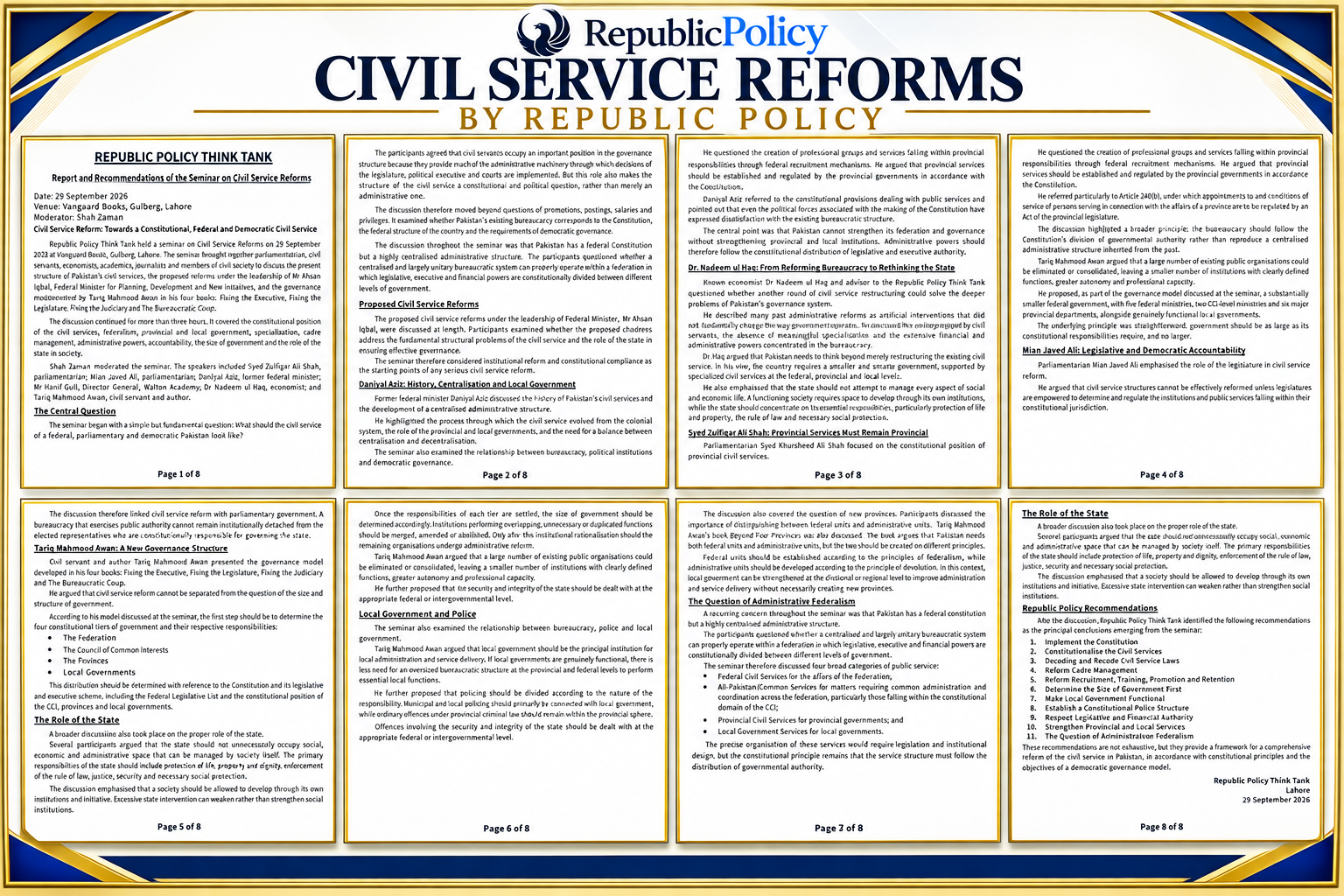

In its latest panel discussion on civil service reform, Republic Policy Think Tank proposed five key principles for restructuring Pakistan’s civil service. One of the most significant components of the proposed framework is reducing the size of the civil service by aligning it with Pakistan’s constitutional and federal structure.
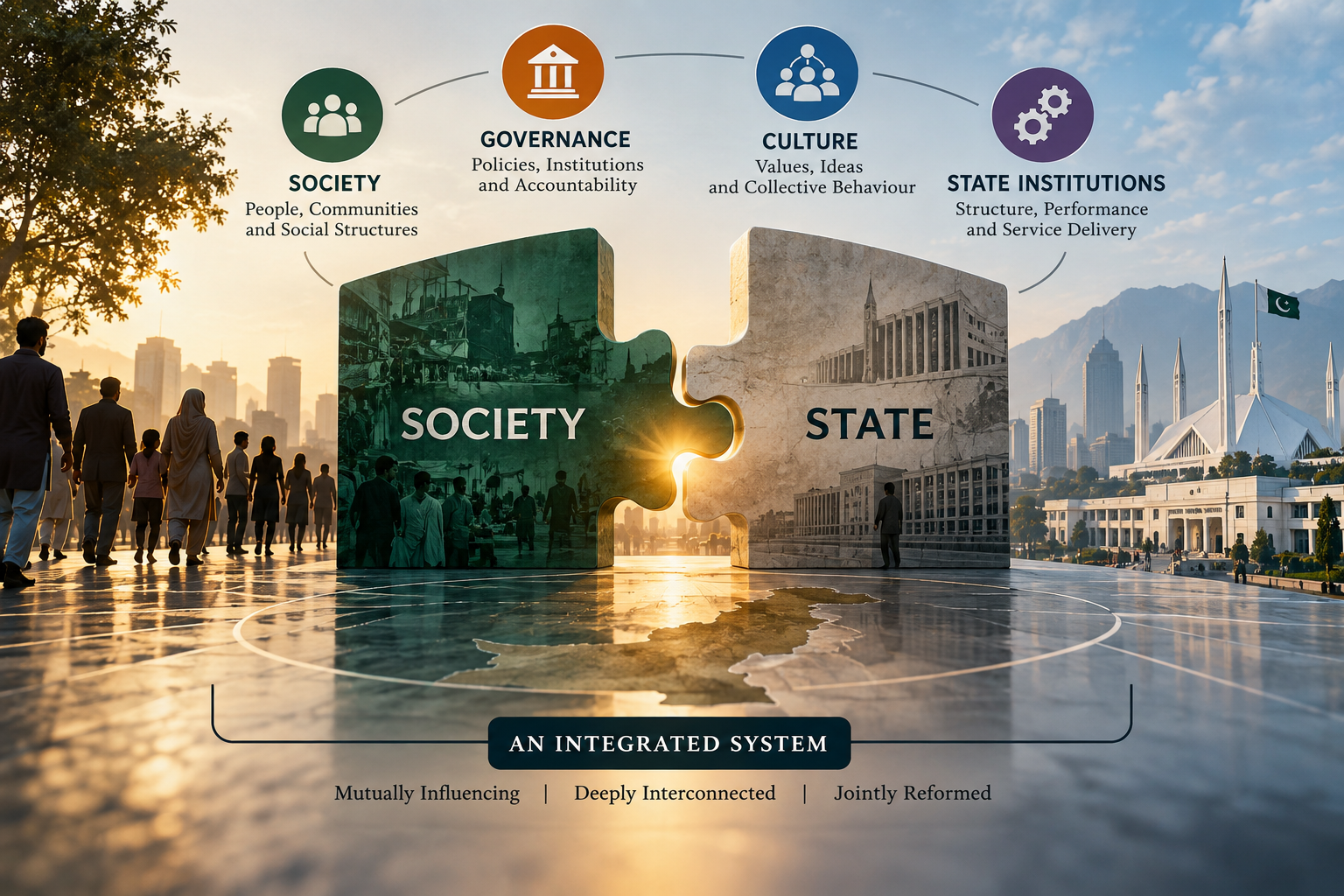
The proposal rests on the principle that the administrative machinery of the state should correspond to the constitutional distribution of functions among the federal, provincial and local governments. Professor Nadeem ul Haq described the existing government structure as “obese,” highlighting the need to reconsider the size and scope of the administrative system.
Under Republic Policy’s proposed model, the federal civil service should be structured according to the functions constitutionally assigned to the Federation. The Federal Legislative List, Part I, contains 59 entries, and the federal administrative structure should consequently be rationalised around these federal responsibilities. The proposal argues that five federal ministries would be sufficient to administer these functions.
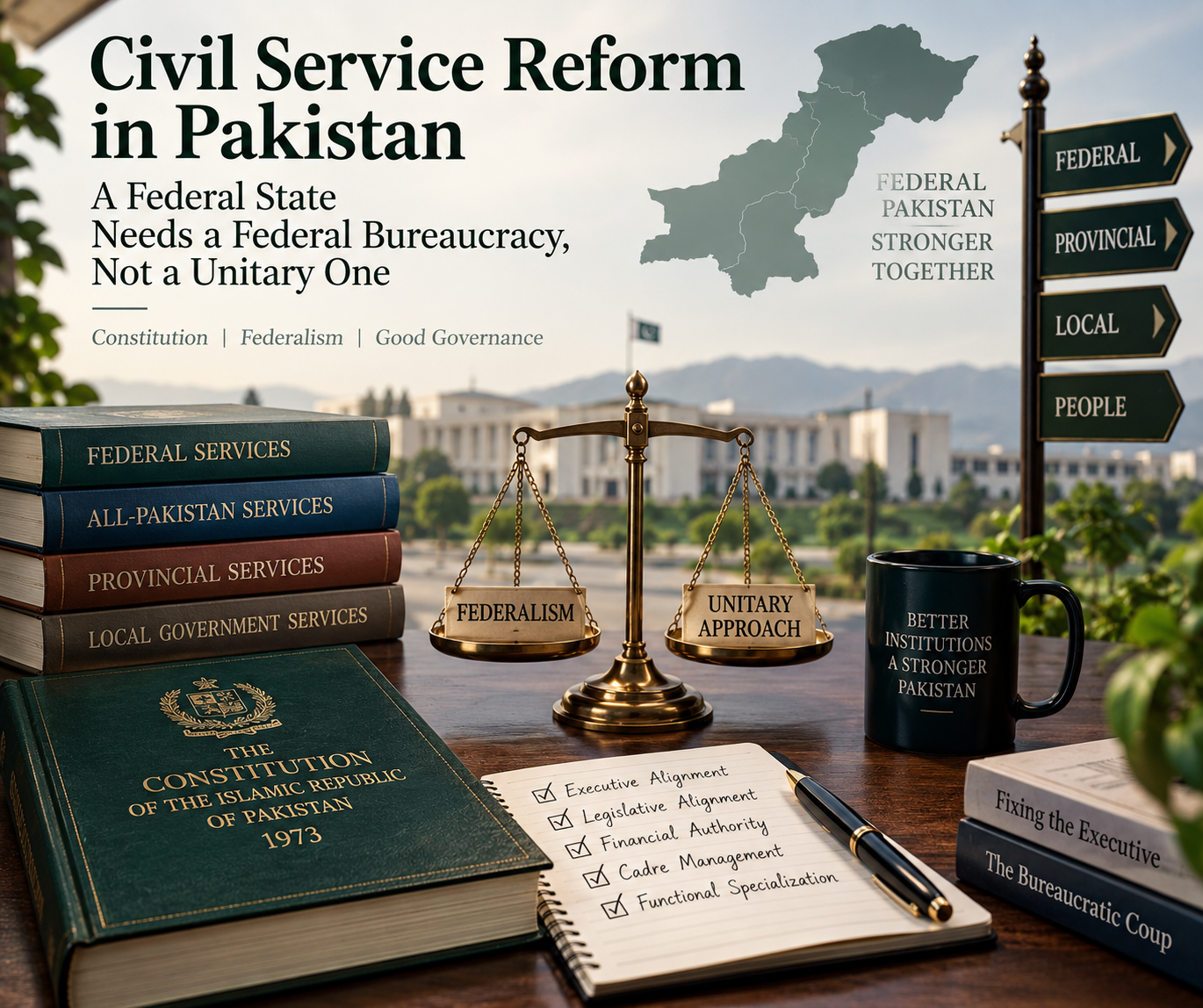
The same constitutional principle should extend to the other tiers of government. Provincial governments should have their own provincial civil services, while local governments should similarly have separate local government services corresponding to their constitutional and administrative responsibilities.
Accordingly, the federal government should not maintain an unnecessarily expanded administrative presence in areas belonging to provincial or local governments.
The central principle of the reform is therefore clear: the size and structure of the civil service should follow the constitutional distribution of governmental authority rather than operate through an oversized and centralised administrative structure.
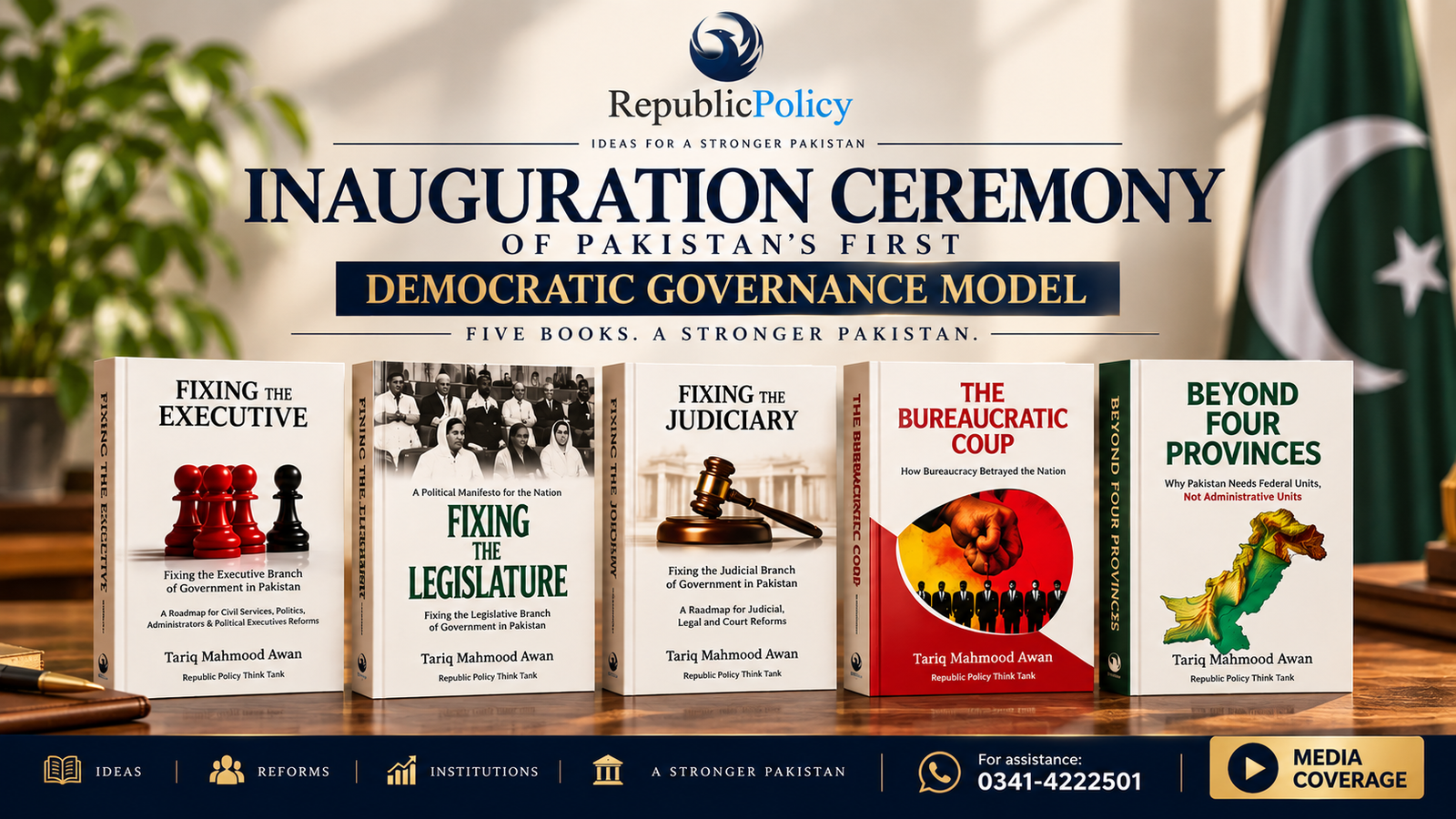
To read Republic Policy’s complete civil service reform proposals, contact us at the number provided below.
0341-4222501 (WHATSAPP)