
Defence and foreign affairs experts highlight Pakistan’s right to self-defence, security concerns emanating from Afghanistan and growing regional cooperation
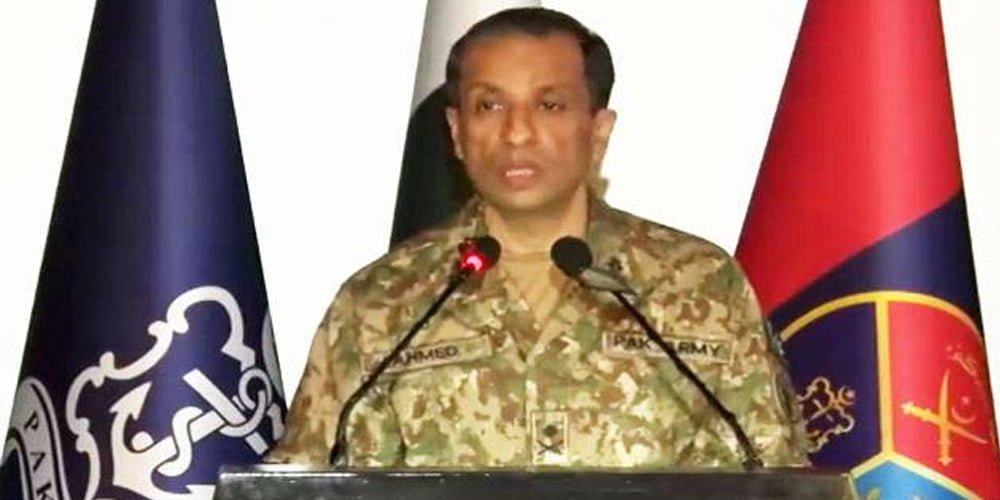
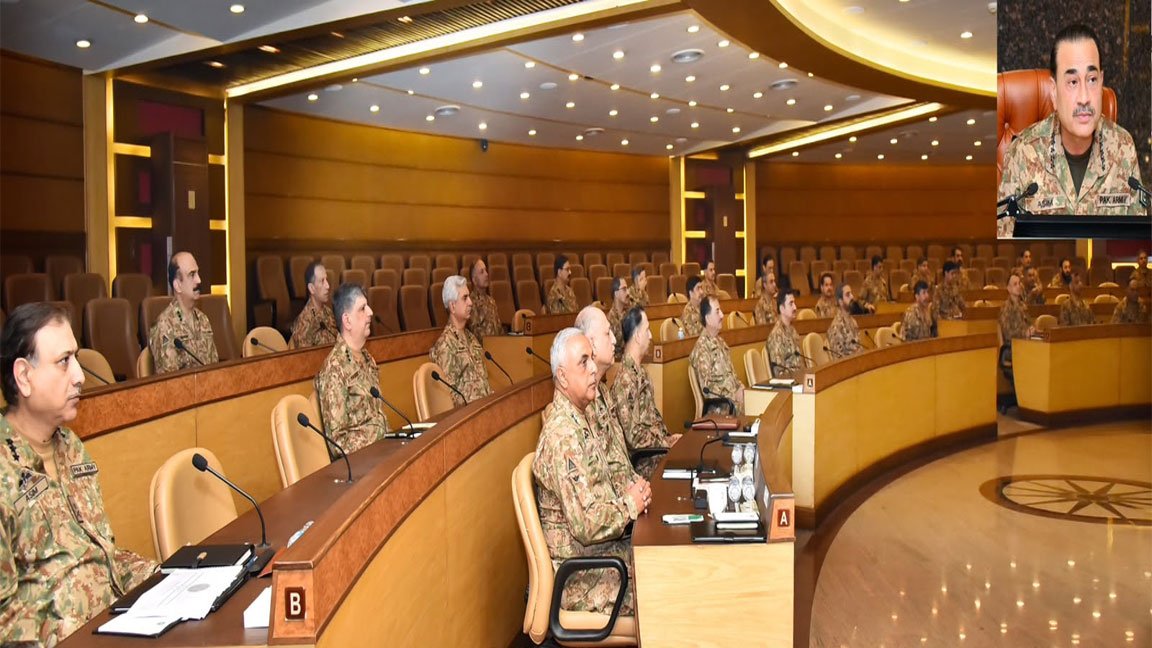
Defence and international relations analysts have welcomed the Corps Commanders’ Conference’s resolve to counter terrorism and protect Pakistan’s territorial sovereignty amid evolving regional and international security challenges.
Retired Air Vice Marshal Ijaz Malik described the conference as particularly significant in the prevailing security environment. He said the military leadership had reaffirmed Pakistan’s right to self-defence and its position on taking targeted action against terrorist threats originating from Afghanistan.
Malik also highlighted Pakistan’s security cooperation with Saudi Arabia and Turkiye, referring to the defence arrangements and the Makkah Alliance. According to him, the three countries have developed a mutual security framework under which a threat to one member would be regarded as a threat to the others.
He referred to Deputy Prime Minister Ishaq Dar’s remarks concerning the alliance and noted Pakistan’s selection as its first secretary general.
The defence analyst also stressed the importance of national unity in confronting domestic and external security challenges. Referring to Pakistan’s confrontation with India, he argued that unity among different sections of society had strengthened the country’s position. He also called for political stability, warning that domestic unrest could inflict social and economic costs.
Afridi Highlights Afghan and Regional Security Challenges
International relations expert Dr Manzoor Khan Afridi similarly welcomed the Corps Commanders’ commitment to safeguarding Pakistan’s sovereignty and addressing terrorist threats emanating from Afghanistan.
Afridi argued that the Afghan Taliban authorities had failed to fulfil commitments made under the Doha agreement regarding the use of Afghan territory against other countries. He characterised terrorism originating from Afghanistan against Pakistan as a violation of those commitments and international law.
He also described the Makkah Alliance as a positive development, citing the longstanding relationship between Pakistan and Saudi Arabia. Afridi suggested that Qatar, Kuwait, Iraq and other countries could potentially join the framework in the future, while arguing that Pakistan’s diplomatic engagement was expanding internationally.
Analyst Raises Concerns Over India
Afridi also criticised India following what he described as a violation of border agreements that resulted in the deaths of two Pakistani civilians. He called on Islamabad to raise the matter at the United Nations and other international forums.
The analyst further accused the Indian government of using false-flag narratives and portraying deaths of civilians in alleged staged encounters as security operations.
He also raised concerns over the treatment of religious minorities in India and alleged attacks on Muslim, Christian, Sikh and other religious sites.
Referring to Indian Illegally Occupied Jammu and Kashmir, Afridi described the territory as heavily militarised and alleged serious human rights violations by Indian forces, including killings in staged encounters. He further claimed that restrictions on international media and human rights organisations were preventing independent scrutiny of conditions in the territory.
Overall, both analysts viewed the Corps Commanders’ Conference as an important reaffirmation of Pakistan’s approach towards counterterrorism, territorial sovereignty and regional security cooperation.