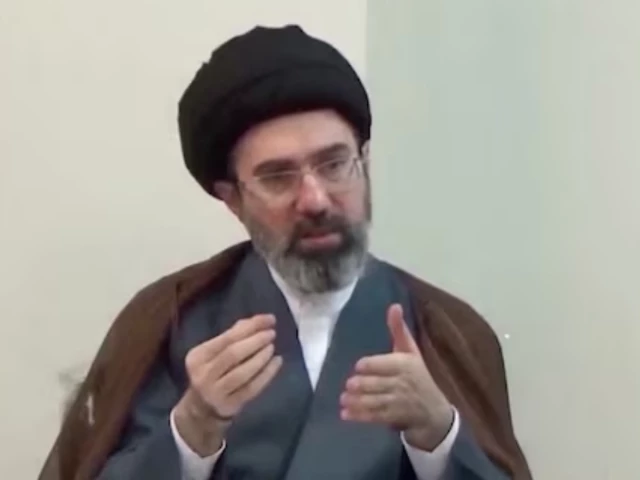

TEHRAN: Iran’s Supreme Leader Mojtaba Khamenei said on Monday that Iranian forces had pushed what he described as “enemy forces” away from waters off southern Iran towards the Arabian Sea and would soon force them out of that area as well.
In remarks published on his social media channels, Khamenei said declarations of readiness were emerging across Iran, including willingness to participate in armed action. He portrayed the mobilisation as a confrontation in which Iran would prevail over its adversaries.
He also said the period Iran’s opponents hoped to restore had passed and would not return.
His comments came amid continuing military tensions involving Iran and the United States, while diplomatic intermediaries were simultaneously attempting to revive negotiations aimed at securing a ceasefire.
Mediators Seek Nuclear Compromise to Restart US-Iran Ceasefire Talks
Mediators are pressing Tehran to make concessions over its nuclear programme in an effort to revive ceasefire negotiations with Washington, according to The Wall Street Journal.
The diplomatic initiative follows US President Donald Trump’s rejection of an Iranian proposal for a seven-day ceasefire. According to the report, Tehran’s proposal would have involved reopening the Strait of Hormuz and ending the US blockade of Iranian ports.
Mediators reportedly regard the latest effort as difficult, with Iran showing little willingness so far to make concessions on its nuclear programme.
Iranian Foreign Minister Abbas Araghchi said Tehran remained prepared for diplomacy but was equally ready to respond if military hostilities resumed.
Speaking to NBC News, Araghchi said Iran was prepared for renewed warfare, including an extreme escalation, while maintaining that the diplomatic option remained available. He said the choice between renewed conflict and negotiations rested with Trump.
Arab mediators said Tehran had not offered additional concessions since Washington rejected its ceasefire proposal. Gulf officials, meanwhile, said Iran expected the United States to make concessions before negotiations could progress.
Qatari Prime Minister Sheikh Mohammed bin Abdulrahman bin Jassim Al Thani, whose country has been transmitting messages between Tehran and Washington, described the conflict as increasingly difficult to resolve.
Iran reportedly wants the United States to return to a memorandum of understanding reached in June. That arrangement included reopening the Strait of Hormuz and eventually beginning nuclear negotiations in exchange for measures including sanctions relief, the release of billions of dollars in frozen Iranian funds and an end to the US blockade.
US officials, however, said Trump was no longer prepared to return to that arrangement. Washington has instead maintained its blockade and tightened sanctions.
A senior Middle Eastern official involved in the diplomatic process said Iran could potentially compromise over its nuclear programme but wanted explicit assurances that Israel would not launch another attack following any agreement between Tehran and Washington.
Yemeni Government Forces Strike Houthi Positions in Taiz
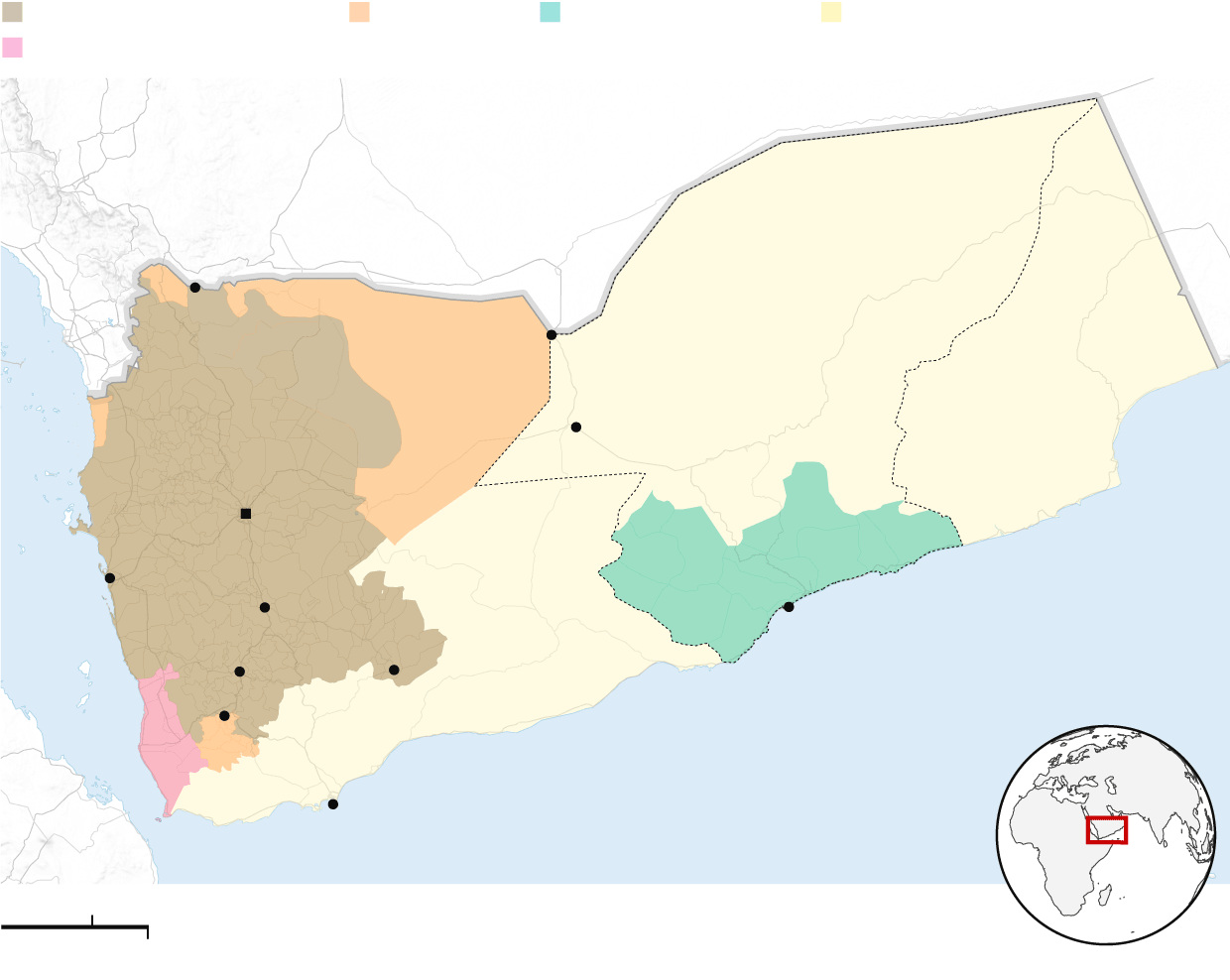
Meanwhile, the conflict in Yemen continued to intensify on Monday as government forces bombarded Houthi positions west of Taiz in southwestern Yemen.
The media centre of the Taiz Military Axis said strikes targeted Houthi positions in the Al-Rubaie area.
No immediate information was provided regarding casualties or damage, while the Houthis had not commented on the reported attack.
A day earlier, Yemeni government forces said they had targeted Houthi positions and gatherings across Taiz, Lahij and Al-Dhalea in southwestern Yemen.
Qatar-Linked LNG Tanker Movement Through Hormuz Begins to Increase
Despite the continuing US-Iran conflict, movements of liquefied natural gas vessels associated with QatarEnergy through the Strait of Hormuz have increased over the past week.
Kpler data had shown no visible transits by Qatar-linked LNG vessels or ships carrying cargo from the Ras Laffan gas terminal during August amid concerns over possible Iranian attacks. Some vessels may nevertheless have crossed without being detected if their transponders were switched off.
Visible tanker movements have begun increasing during September.
The GasLog Skagen, carrying LNG from Ras Laffan, was detected off Sri Lanka on September 27, according to LSEG and Kpler data. The vessel, managed by Greece-based GasLog LNG Services, had remained inside the Gulf since the beginning of the conflict and had transported Qatari cargoes to the United Arab Emirates and Kuwait. It was last detected there on September 20.
Another vessel carrying Qatari LNG, Al Shamal, was last observed inside the strait on September 19 before appearing outside Hormuz around September 24-25. The Seapeak Maritime-managed vessel was subsequently travelling around southern India.
Two other Qatar-linked vessels, Mesaimeer and Al Ghashamiya, also departed the Gulf carrying LNG from Ras Laffan. Mesaimeer appeared off Oman on September 23, while Al Ghashamiya delivered its cargo to Dahej in India on September 24.
Al Samriya was detected outside the waterway on September 17. On the same day, the Seapeak Maritime-managed Al Daayen emerged from the area carrying a cargo destined for Caofeidian, China.
The renewed movements indicate that some Qatar-linked LNG traffic is again passing through the strategically important Strait of Hormuz despite the continuing regional conflict.