
Pakistan and Afghanistan Must Choose Diplomacy Over an Escalating Security Confrontation
The widening dispute over cross-border militancy cannot be resolved through competing accusations and military pressure alone; Islamabad and Kabul need a credible political and security mechanism
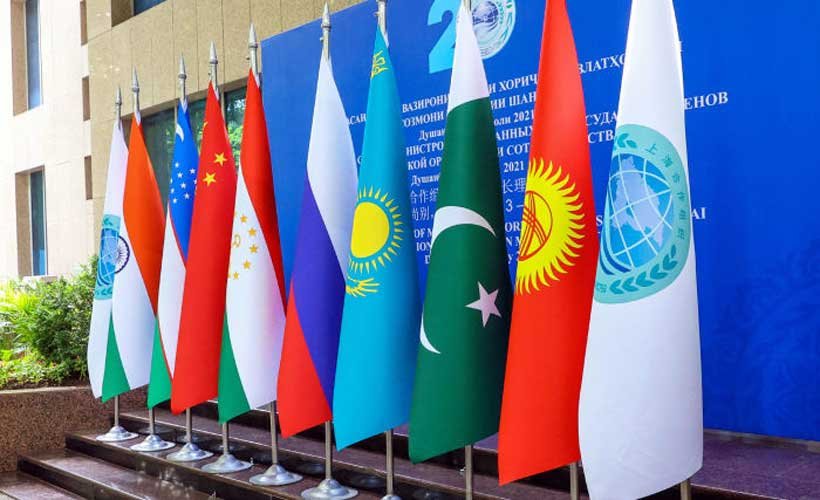
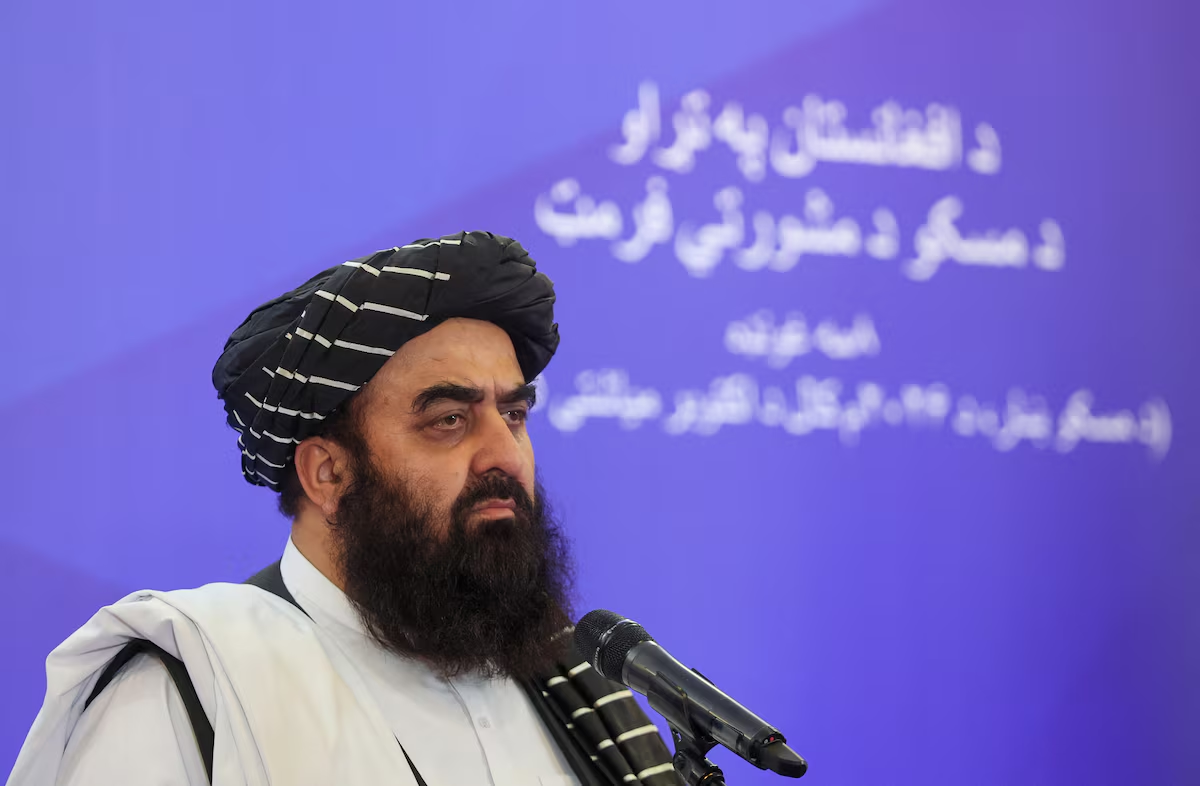
Relations between Pakistan and Afghanistan have reached a point where the language employed by both sides is becoming almost as consequential as the disputes themselves. Afghan Taliban Foreign Minister Amir Khan Muttaqi’s latest remarks in Moscow suggest that Kabul still sees space for diplomacy, but they also expose the depth of mistrust that now characterises relations between the two neighbours.
Muttaqi argued that disagreements between Afghanistan and Pakistan could be resolved through dialogue and diplomacy. At the same time, however, he accused Pakistan’s military establishment of preferring what he described as “military language” over political understanding and alleged that Pakistan had committed aggression in violation of international law. He also asserted Afghanistan’s right to defend itself against any attack.
Islamabad’s position is fundamentally different. Pakistan maintains that its central concern is terrorism originating from Afghan territory. Its representative at the Moscow talks reiterated Pakistan’s determination to eliminate cross-border terrorism and called upon the Taliban authorities to end what Islamabad considers the freedom with which militant organisations operate from Afghanistan.
The disagreement therefore revolves around a fundamental contradiction. Pakistan believes Afghanistan is failing to prevent militant groups from using its territory to launch attacks across the border. The Taliban government rejects this accusation and insists that Pakistan’s militancy problem is essentially an internal matter.
Simply repeating these positions will not resolve the crisis.
Pakistan has legitimate security concerns when violence crosses international boundaries. No state can reasonably be expected to remain indifferent to attacks against its citizens and security personnel. But military pressure alone cannot provide a durable framework for relations with a neighbouring country with which Pakistan shares geography, trade, security interests and deep historical connections.
Likewise, Kabul cannot simultaneously demand respect for Afghan sovereignty while dismissing Islamabad’s concerns without a credible mechanism for investigating allegations of cross-border militancy. Sovereignty entails rights, but it also carries responsibilities concerning activities conducted from a state’s territory.
What is urgently required is an institutional mechanism between Islamabad and Kabul: intelligence sharing, verifiable investigations of cross-border incidents, regular political consultations and clearly defined procedures for addressing militant activity. Where allegations arise, evidence should be exchanged and independently assessed rather than converted immediately into political confrontation.
Neither Pakistan nor Afghanistan benefits from an increasingly militarised relationship. Geography ensures that neither can simply disengage from the other.
Muttaqi’s call for diplomacy should therefore be tested seriously. But diplomacy must mean more than meetings and statements. It must produce measurable commitments on terrorism, sovereignty and non-interference.
For both countries, the choice is increasingly clear: institutionalise dialogue now, or allow an unresolved security dispute to harden into a confrontation that will ultimately make both Pakistan and Afghanistan less secure.