
Republic Policy | Governance. Security. Strategic Affairs.
Army spokesman signals cautious hope after high-level delegation’s visit to Tehran, while warning that influential actors may seek to prolong the conflict.
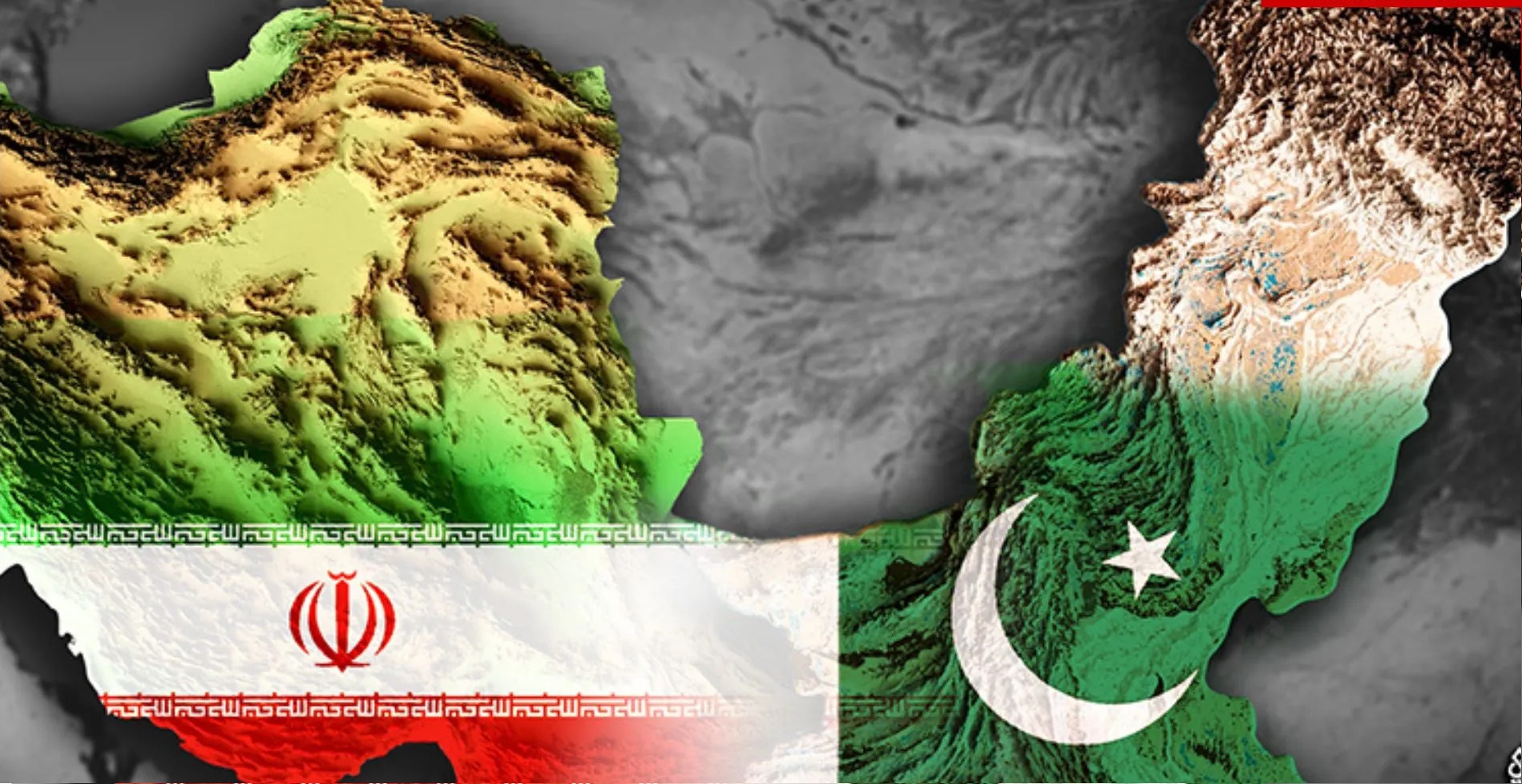
RAWALPINDI, October 30, 2026 (Reuters) — Pakistan’s military has expressed cautious optimism about Islamabad’s mediation efforts between Iran and the United States, following a series of high-level diplomatic engagements aimed at de-escalating the eight-month-old conflict.
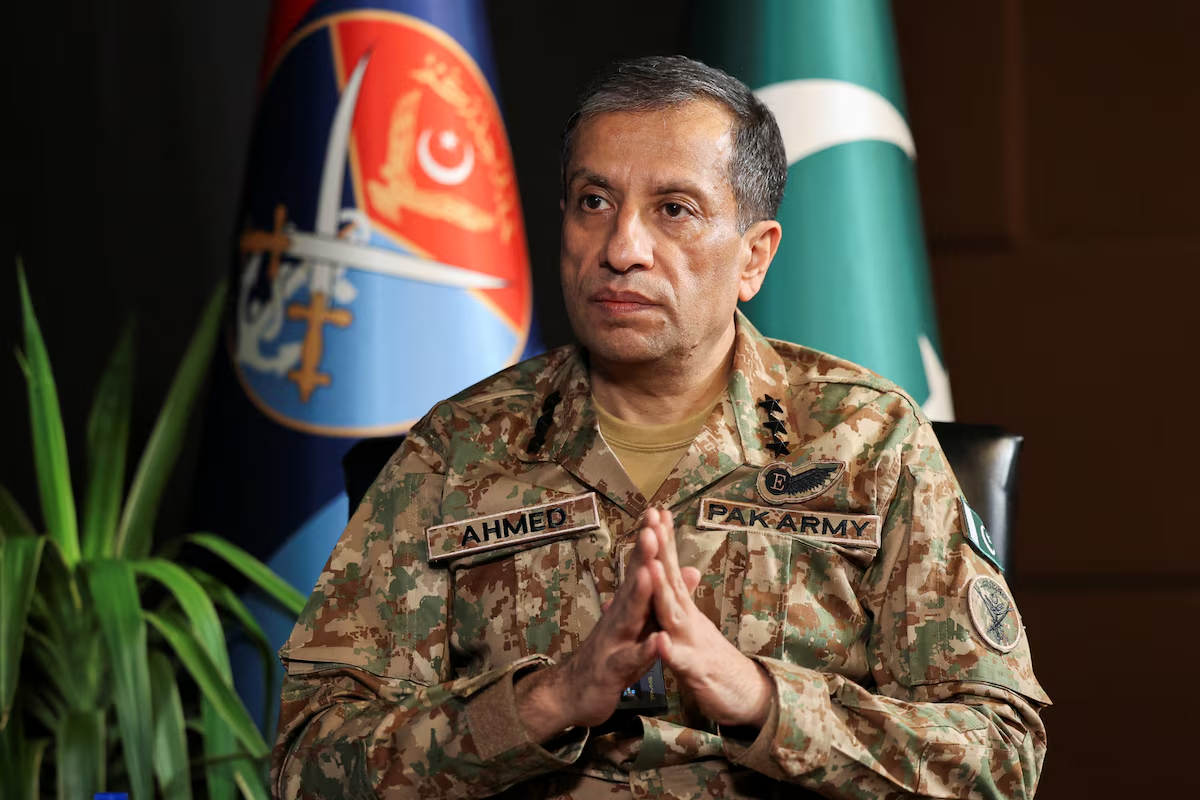
In his first interview since a Pakistani delegation visited Tehran earlier this week, Inter-Services Public Relations (ISPR) Director General Lieutenant General Ahmed Sharif Chaudhry described the diplomatic engagement as a positive development, while cautioning that significant obstacles remain.
Army Chief Field Marshal Asim Munir, who has emerged as Pakistan’s principal mediator in the diplomatic effort, has travelled to Tehran twice this month. His latest visit took place on Monday, alongside SaPakistan ‘Cautiously Optimistic’ on Iran-US Mediation
Saudi and Turkish officials, in a move reflecting the regional dimension of Islamabad’s mediation initiative.
Asked whether the repeated visits indicated progress, Chaudhry pointed to the significance of the army chief’s continued engagement.
“Why would the Field Marshal be going twice if it is not for some positivity? So yes, of course,” he said.
However, the military spokesman emphasised that Pakistan’s assessment remained measured. “The word that we would use is always cautiously optimistic,” he added.
Diplomatic progress faces potential obstacles
Chaudhry also warned that the mediation process faces resistance from actors who see an advantage in continued conflict. He described them as “powerful spoilers and detractors” who believe the conflict serves their interests, without identifying any specific parties.
His remarks underline the difficult diplomatic environment in which Pakistan is operating. While repeated engagement with Tehran and coordination with regional partners indicate sustained efforts to create diplomatic space, the existence of actors opposed to de-escalation highlights the uncertainty surrounding any potential breakthrough.
For Islamabad, the challenge is not merely to facilitate contact between Tehran and Washington, but also to sustain a process capable of addressing the competing security concerns and political interests involved.
Defence pact and regional security questions
The interview also addressed Pakistan’s defence commitments and the regional implications of its security arrangements. According to the report, the military spokesman said the defence pact does not prevent Iran from becoming a member.
He also reiterated Pakistan’s commitment to defending Saudi Arabia, while clarifying that Pakistan is not a party to the conflict in Yemen.
These positions reflect the distinctions Islamabad is seeking to maintain between its defence commitments, regional partnerships and diplomatic engagement with Iran.
Pakistan’s diplomatic balancing act
Pakistan’s mediation initiative places it in a sensitive position: maintaining its longstanding security relationship with Saudi Arabia while engaging Iran and seeking to facilitate an end to hostilities with the United States.
The repeated visits by Field Marshal Munir, alongside regional officials, suggest that Islamabad is continuing to invest diplomatic capital in the process. Nevertheless, the military’s emphasis on cautious optimism indicates that Pakistan does not regard the outcome as assured.
The central question now is whether ongoing regional engagement can translate into a sustained diplomatic process — and whether the parties involved can overcome the interests that continue to favour confrontation.
Source: Reuters, October 30, 2026. This report is based on the material provided; the available excerpt does not include further details on the defence pact or the Yemen conflict.
Slideshow: Pakistan’s Iran-US Mediation
Slide 1 — Pakistan Signals Cautious Optimism
Army says repeated diplomatic engagement offers grounds for hope, but no breakthrough is assured.
Slide 2 — Munir’s Second Tehran Visit
Field Marshal Asim Munir visited Tehran twice in October, most recently alongside Saudi and Turkish officials.
Slide 3 — ‘Powerful Spoilers’ Remain
ISPR chief Ahmed Sharif Chaudhry warns that influential actors may have an interest in prolonging the conflict.
Slide 4 — Defence Pact and Saudi Commitment
Pakistan says the defence pact does not bar Iran from joining and reiterates its commitment to Saudi Arabia.
Slide 5 — Pakistan’s Diplomatic Challenge
Islamabad seeks to sustain mediation while balancing regional security commitments and its engagement with Iran.