
Republic Policy | National Security and Regional Affairs | October 28, 2026
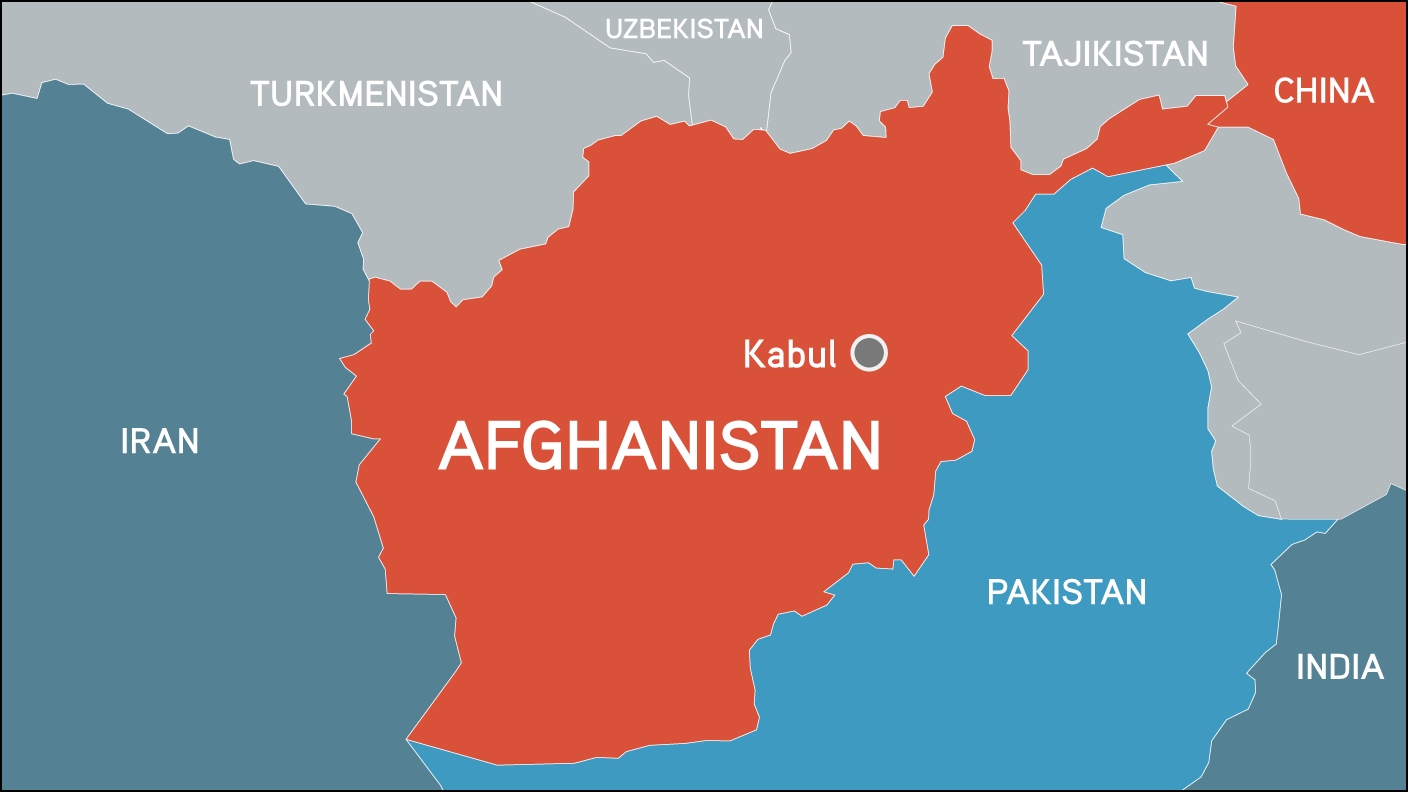
ISLAMABAD: At least one civilian was killed and five others injured after Afghan Taliban forces allegedly fired mortar shells into Pakistan’s Lower South Waziristan district early Wednesday, triggering a military response along the Pakistan-Afghanistan border and raising fresh concerns over deteriorating security relations between the neighbouring countries.
According to a Pakistani government official, mortar shells struck the Angoor Adda area near the Afghan border, damaging shops in a local bazaar and affecting civilian properties. The incident occurred amid heightened tensions between Islamabad and Kabul over cross-border militancy, territorial security and repeated exchanges of fire.
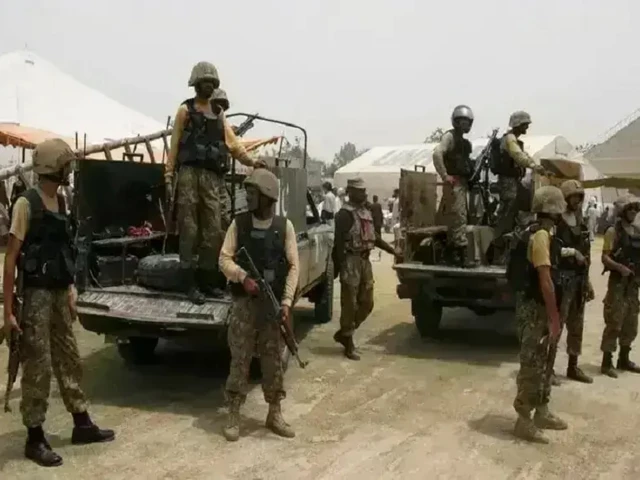
A local government administrator confirmed the casualties in a statement posted on X, saying Pakistani security forces stationed along the frontier were responding effectively and forcefully to the shelling.
The immediate cause of the exchange remained unclear, while Afghan authorities had not issued an official response at the time of the initial reports.
Provincial Governor Condemns Cross-Border Shelling
Khyber Pakhtunkhwa Governor Faisal Karim Kundi strongly condemned the incident, describing the mortar attack on civilian homes and commercial establishments in Angoor Adda as unprovoked aggression by Afghan Taliban forces.
He expressed concern over the loss of civilian life and damage to property, while acknowledging the response of Pakistani security personnel deployed along the border.
Kundi emphasised that Khyber Pakhtunkhwa had endured enormous human and economic losses during Pakistan’s prolonged struggle against terrorism. Thousands of residents, security personnel and public officials have lost their lives in militant violence over the past two decades.
“Pakistan will never tolerate attacks on its people or violations of its sovereignty,” the governor declared.
His statement reflected growing frustration among Pakistani officials over recurring border incidents and militant attacks that continue to affect communities in the country’s northwestern districts.
The latest shelling also highlights the vulnerability of civilian settlements located near the disputed frontier, where military confrontations can quickly endanger homes, markets and essential economic activities.
Islamabad Demands Action Against Militants
The confrontation occurred only days after Pakistan renewed its demand that Afghanistan’s Taliban administration take concrete and verifiable measures against militant organisations allegedly operating from Afghan territory.
Islamabad has repeatedly accused Kabul of allowing the Tehrik-e-Taliban Pakistan (TTP) and other armed groups to maintain operational networks and conduct attacks against Pakistani security forces and civilians.
Pakistan has also raised concerns about the activities of the Baloch Liberation Army (BLA), a separatist militant organisation responsible for attacks in Balochistan and other parts of the country.
Afghanistan’s Taliban authorities have consistently rejected accusations that they permit their territory to be used for attacks against Pakistan.
The disagreement has become one of the most serious obstacles to improving bilateral relations, with both governments maintaining sharply different positions on the origins and responsibilities associated with cross-border insecurity.
The TTP, commonly known as the Pakistani Taliban, is organisationally separate from Afghanistan’s ruling Taliban movement, although the two share longstanding ideological and operational connections.
Pakistani authorities argue that the Afghan Taliban’s return to power in August 2021 created conditions that strengthened the TTP and other militant networks operating along the frontier.
Border Tensions Continue to Escalate
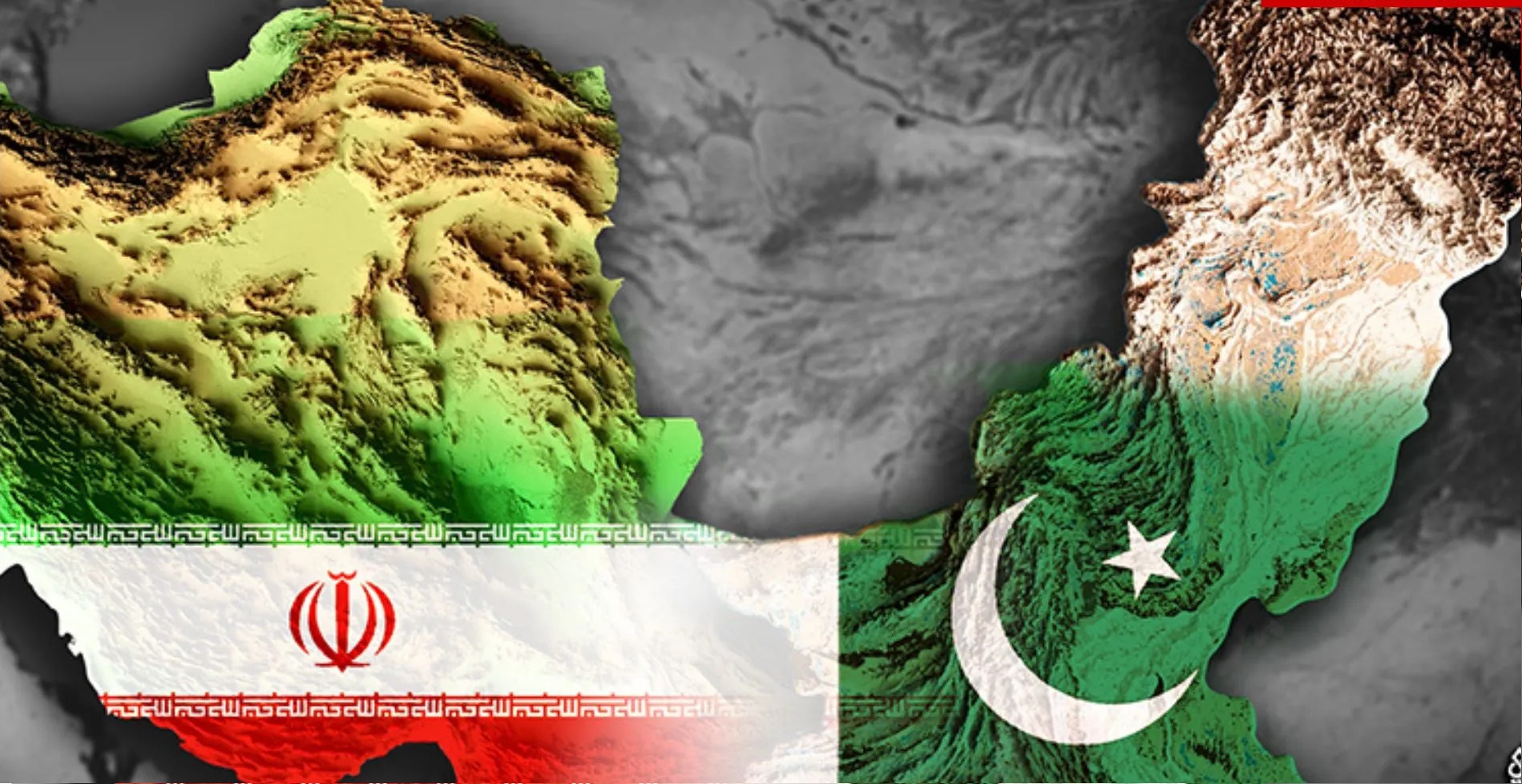
Relations between Pakistan and Afghanistan have deteriorated following repeated border confrontations, militant infiltration allegations and Pakistani airstrikes inside Afghanistan during 2026.
These developments have intensified an already difficult relationship shaped by competing security concerns, border-management disputes and disagreements over militant sanctuaries.
Pakistan maintains that preventing armed groups from using Afghan territory against neighbouring countries is essential for regional security and stable bilateral relations.
Kabul, meanwhile, has denied responsibility for militant violence inside Pakistan and has challenged Islamabad’s allegations regarding the presence and activities of anti-Pakistan organisations.
The absence of an agreed mechanism for addressing security complaints has made diplomatic engagement increasingly difficult.
Border communities have experienced the consequences of this deterioration through disruptions to trade, restrictions on movement, heightened military deployments and recurring threats to civilian safety.
South Waziristan remains particularly sensitive because of its history as a major centre of militant activity before extensive Pakistani military operations weakened insurgent networks in the region.
Despite those operations, security threats have persisted, reflecting the challenges of maintaining lasting stability across a geographically difficult and politically sensitive border.
Growing Security Challenges for Pakistan
Pakistan has experienced a renewed increase in militant violence in recent years, particularly in Khyber Pakhtunkhwa and Balochistan.
Security officials attribute a significant proportion of these attacks to the TTP and associated armed organisations, which frequently target military personnel, police installations and other state institutions.
The persistence of such violence has placed additional pressure on Pakistan’s security apparatus and complicated efforts to restore economic activity and public confidence in affected districts.
The latest incident also raises questions about the effectiveness of existing border-security arrangements and the prospects for sustained diplomatic cooperation between Islamabad and Kabul.
For residents of frontier districts, the consequences extend beyond military confrontations. Civilian casualties, damaged businesses and uncertainty over future hostilities can undermine livelihoods and restrict access to essential services.
Diplomatic Engagement Remains Essential
The mortar attack underscores the increasingly fragile security environment along the Pakistan-Afghanistan border.
While Pakistan has reiterated its commitment to defending its territorial sovereignty and protecting civilians, the continuing confrontation demonstrates the limitations of military responses in resolving longstanding disputes over militant activity.
A durable improvement in relations would require credible action against cross-border militant threats, effective communication between security authorities and mechanisms for investigating incidents that endanger civilian populations.
The immediate priority remains preventing further casualties and ensuring that border tensions do not develop into a wider military confrontation.
With neither side having established a mutually accepted framework for addressing the underlying security dispute, the latest clash represents another setback for efforts to stabilise relations between the two neighbouring countries.
For Pakistan, the incident reinforces the importance of protecting its border communities while pursuing security arrangements capable of addressing militant threats without allowing recurring confrontations to become a permanent feature of bilateral relations.
The best-selling books of Republic Policy Think Tank, including the landmark book The Bureaucratic Coup, are available at Vanguard Books, Liberty Books, Readings, Kitab Sarai, Sang-e-Meel, Saeed Book Bank Islamabad, National Book Foundation, and others across Pakistan. Contact for home delivery: 0341-4222501 (WhatsApp).