
Three public-sector universities spent more than Rs268 million on scholarships for lecturers and assistant professors who have not returned to their institutions after pursuing higher education abroad.
QUETTA: As many as 94 lecturers and assistant professors from three public-sector universities in Balochistan have failed to return to Pakistan after receiving university-funded scholarships for higher education overseas, raising questions about the management of public educational funds and the enforcement of scholarship obligations.
The universities collectively spent more than Rs268 million on scholarships for the faculty members. However, despite completing or pursuing their studies abroad, the recipients have not reported back to their respective institutions.
According to details, more than 100 lecturers and assistant professors from the province travelled abroad for higher education under scholarship programmes funded by public-sector universities since 2010. While some returned after completing their studies, 94 remain abroad.
The highest number of cases has been reported at the Balochistan University of Information Technology, Engineering and Management Sciences (BUITEMS). A total of 51 lecturers and assistant professors from the university have failed to return, despite scholarship expenditure of Rs118.545 million.
At the University of Balochistan, 25 faculty members received overseas scholarships costing Rs91.565 million but did not return to their institutions.
Similarly, Sardar Bahadur Khan Women’s University spent Rs59.09 million on overseas scholarships for 18 lecturers and assistant professors who have also failed to report back.
Public Accounts Committee seeks explanations
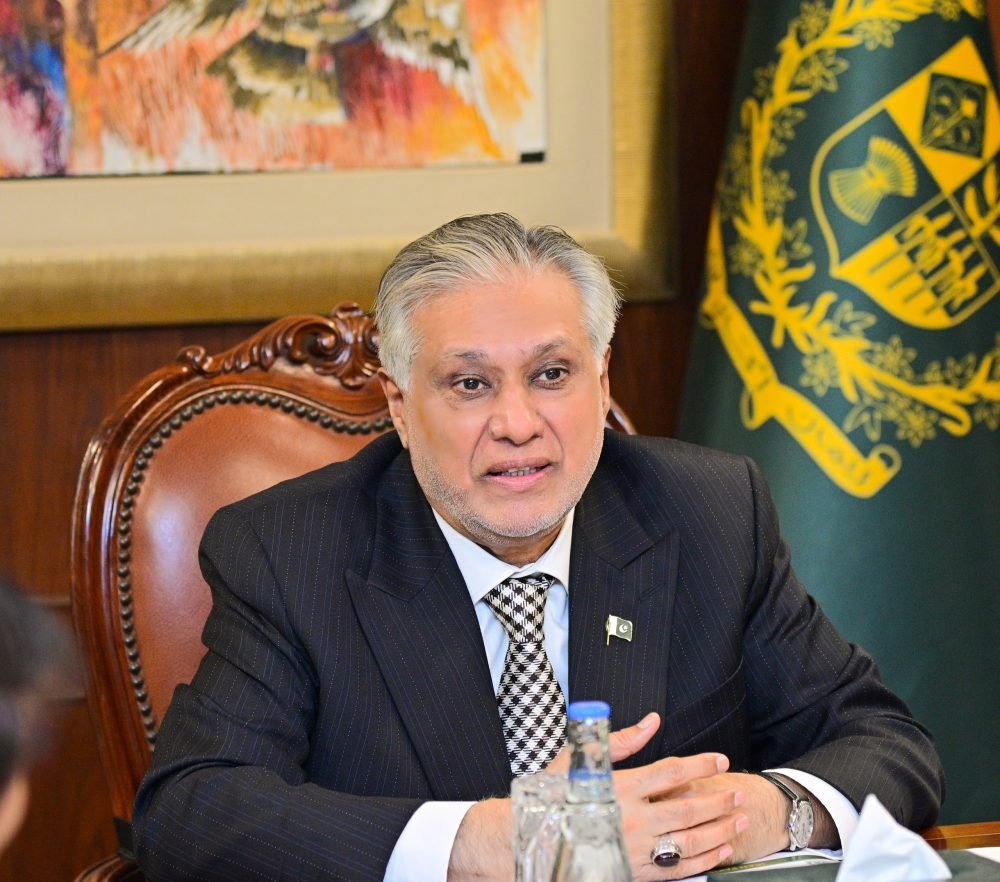
The matter emerged during scrutiny by the Public Accounts Committee (PAC), which sought explanations from the heads of the three universities over the substantial public expenditure and the failure of scholarship recipients to return.
University administrations informed the committee that efforts were underway to secure the return of the 94 faculty members.
According to the responses presented to the committee, the universities were sending letters to the Federal Investigation Agency (FIA), the embassies of the countries concerned and the foreign universities where the faculty members were studying or residing. The correspondence seeks assistance in locating the recipients and facilitating their return to Pakistan.
The reported cases have brought attention to the mechanisms through which public universities monitor overseas scholarship programmes and ensure that recipients fulfil their obligations after completing their education.
Questions over accountability and scholarship management
The expenditure of more than Rs268 million on scholarships represents a significant investment of public resources in higher education and faculty development. Such programmes are intended to strengthen universities by improving academic qualifications, research capacity and teaching standards.
The failure of scholarship recipients to return, however, raises questions about the effectiveness of institutional monitoring, contractual enforcement and financial accountability.
The available information does not specify the contractual conditions attached to individual scholarships, whether the recipients completed their degrees, or what legal and financial recovery measures the universities have initiated. It also does not establish whether all 94 cases involve the same circumstances.
The matter therefore extends beyond the question of faculty members remaining abroad. It concerns the institutional capacity of publicly funded universities to protect educational investments, enforce scholarship agreements and maintain transparent records of public expenditure.
The universities’ efforts to involve the FIA, foreign diplomatic missions and overseas institutions indicate that the administrations are seeking assistance in addressing the matter. However, the outcome will depend on the applicable scholarship agreements and the legal mechanisms available to the institutions.