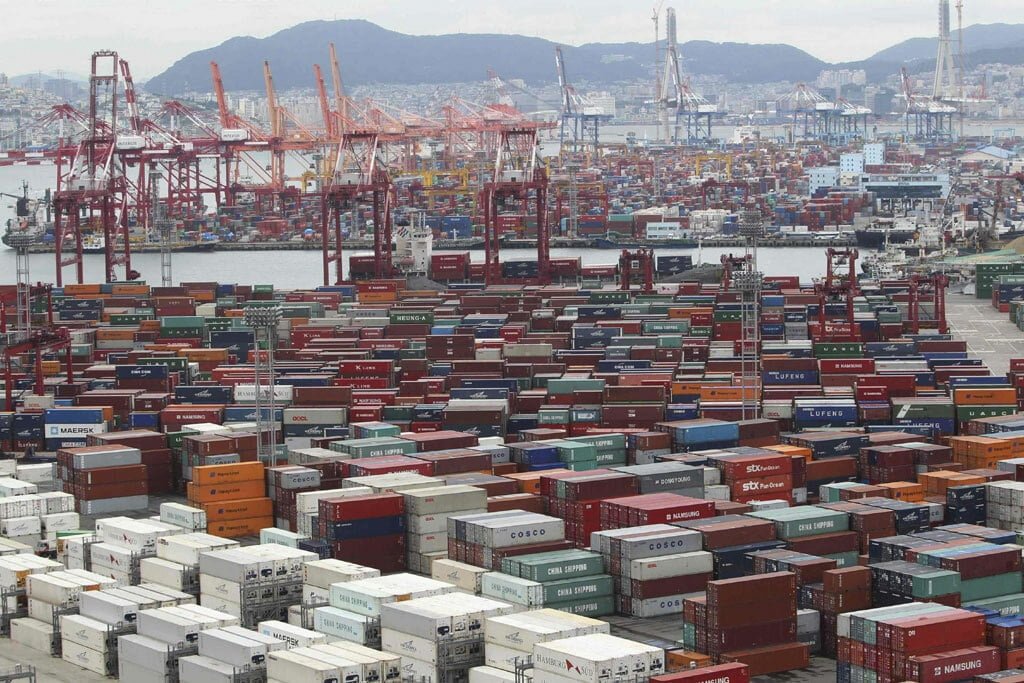

The Import and Export (Control) Act, 1950 is the primary legal instrument which provides the legal basis for the conduct of international trade of Pakistan.
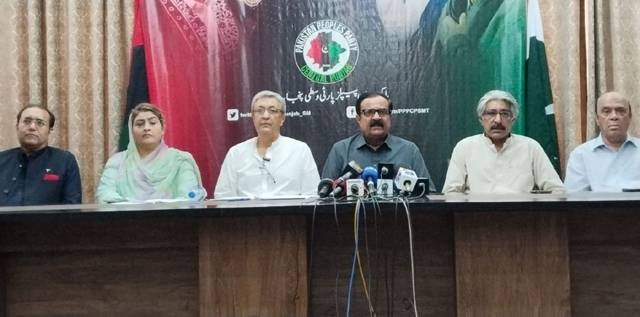
National Assembly Standing Committee on Commerce headed by Khursheed Ahmed Junejo on Tuesday approved the “Imports and Exports (Control) Amendment Bill, 2022,” as introduced in the National Assembly aimed at delegating powers to the Ministry to resolve hardship case on its own.
The Import and Export (Control) Act, 1950 is the primary legal instrument which provides the legal basis for the conduct of international trade of Pakistan. Imports and Exports of the goods are regulated through Import Policy Order (IPO) and Export Order (EPO), respectively, issued under Section 3(l) of the Act.
Keeping in view the ex-agencies of trade and industry, IPO and EPO are framed and amended from time to time with the approval of the Cabinet. Under the Act the federal government is empowered to: (i) make issue new IPO and EPO, (ii) make amendments in IPO and EPO; and (iii) grant permission, on one-time basis, for imports and exports of the goods by relaxing the prohibition/ restrictions contained in the said orders.
According to the Commerce Ministry, the powers to relax prohibition and restriction, however, imposed on imports and/or exports under the IPO/EPO, in cases of urgency or in public interest, are also vested in the federal government. As such, all cases of relaxation, on one-time basis, have to be submitted to the Cabinet for consideration.